
Dele Oye, the former President of the Organised Private Sector and current Chairman of the Alliance for Economic Research and Ethics, has stressed the necessity of integrating private sector representatives into the National Single Trade Window (NSTW) initiative in Nigeria. He cautioned that excluding these crucial stakeholders could jeopardize the initiative's potential success.
In a recent discussion with ARISE NEWS, Oye highlighted the significance of the NSTW platform before its upcoming launch on March 27. He characterized the initiative as a transformative policy aimed at streamlining trade operations by establishing a centralized online portal that enables businesses to handle regulatory requirements without navigating multiple government offices.
Oye suggested that this initiative holds the potential to draw in $2 billion to $3 billion in investments over the next five years by alleviating bureaucratic delays and enhancing trade efficiency. He deemed the NSTW one of the most substantial trade reforms introduced by President Bola Ahmed Tinubu, noting that previous attempts since 2009 to implement the system were stymied by governmental resistance to relinquish control.
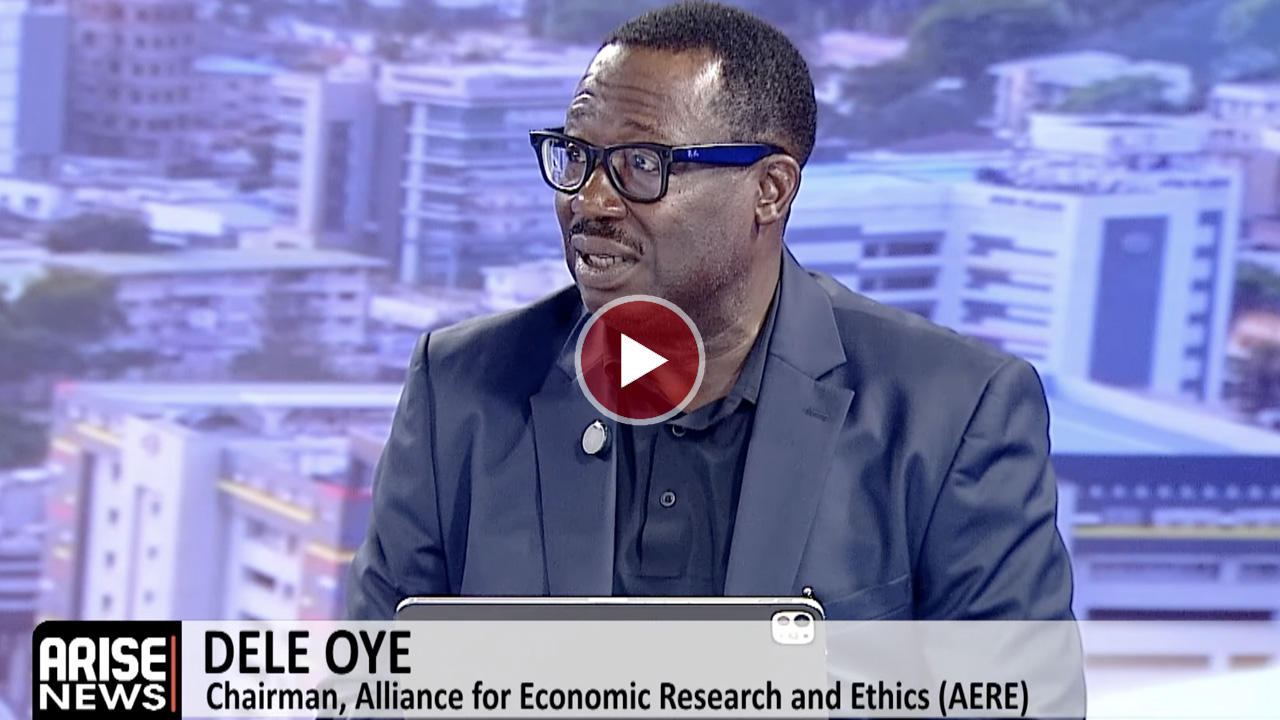
While he recognized the strong presidential support and improved agency coordination, Oye cautioned that the present framework appears excessively dominated by government entities. He emphasized the necessity for private sector representatives to be involved in the platform’s decision-making processes, as they are the intended users of the system.
Oye stated, “The first major reason for its potential success is presidential involvement, which we lacked in previous attempts. Additionally, the capacity of the Chairman of the NRS, Dr. Zacch, to facilitate collective efforts among stakeholders is a significant achievement. Nonetheless, there are challenges to address. Currently, the platform is heavily government-centric, comprising entirely of government agencies without any private sector input.”
Recalling past discussions, he mentioned, “In 2024, when this project was initiated, I alerted stakeholders that it began in Singapore back in 1989 and is now implemented in over 70 countries worldwide. It’s not merely a local endeavor but rather an international one. Nations like Ghana, Rwanda, and Mauritius have adopted similar platforms. To achieve our goals, we must engage the private sector in this initiative, as it is fundamentally for trade.”
He added, “For instance, I attempted to register on the platform earlier, but the link wasn’t functioning. If I were part of the private sector, I would swiftly contact the president of my association to address the issue. We must collaborate effectively; it’s akin to having a hospital without patients.”
Oye further noted, “Recent reports from the Central Bank illustrate that the economy has not been primarily driven by the high-interest rates, which fluctuate between 35% and 36%. While such measures may promote stability, it is the entrepreneurial spirit of the private sector that has kept the economy afloat. It’s crucial to recognize the private sector as an equal partner in this venture rather than dismissing them.”
Comments (0)
You must be logged in to comment.
Be the first to comment on this article!