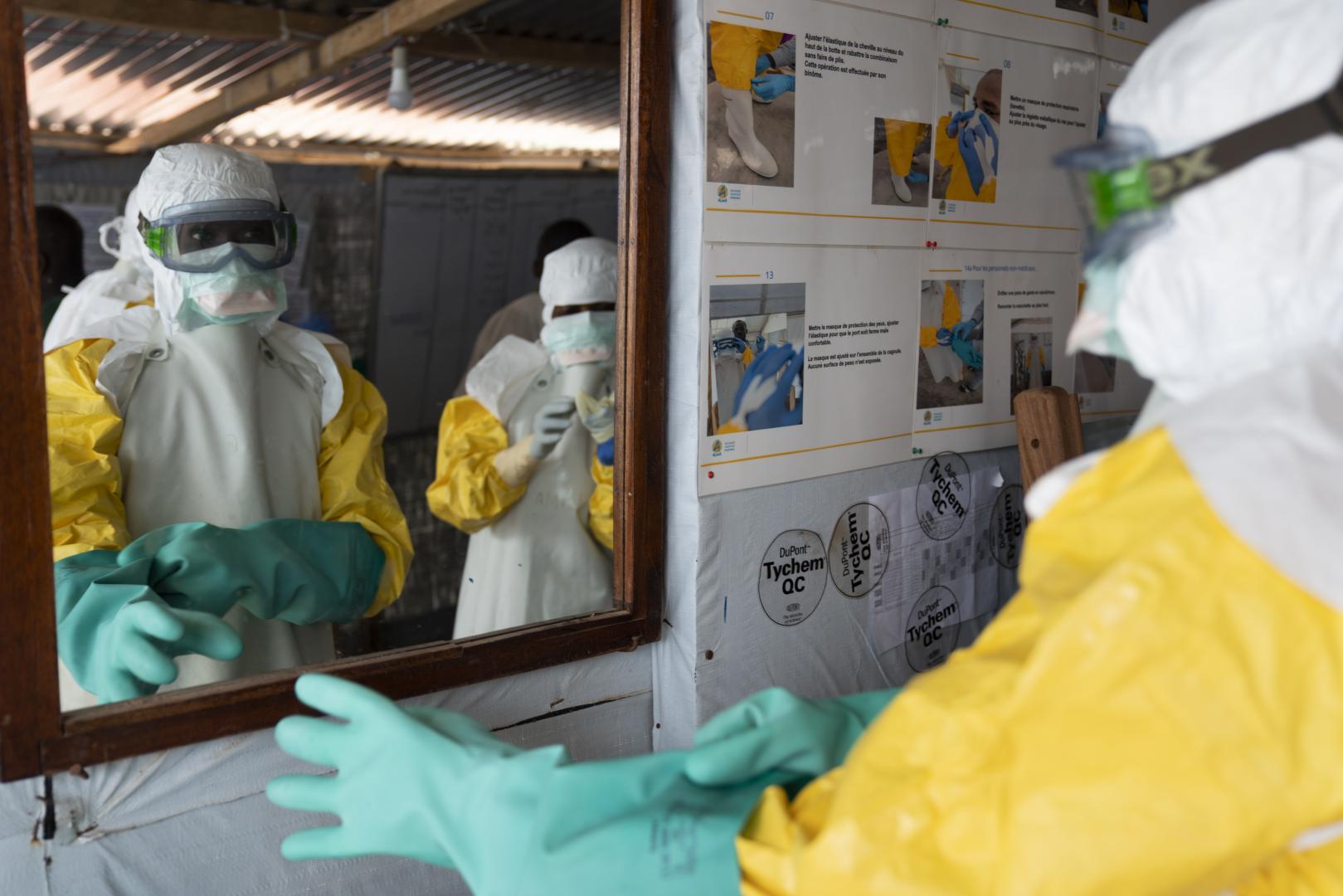
The Democratic Republic of the Congo is grappling with the largest Ebola virus epidemic in its national history, according to official data released by the World Health Organisation. As of 3 November 2026, the central African nation documented 10,668 confirmed infections and 5,198 fatalities across multiple regions.
What are the key statistics of the epidemic?
According to global health bulletins, the pathogen has penetrated 67 health zones spanning eight provinces, with ongoing transmission persisting in 51 zones. Total recoveries have reached 2,881 individuals. The agency noted that 964 additional confirmed cases, alongside 511 deaths, emerged following a prior update issued on 23 October.
Which nations have recorded infections?
Triggered by the Bundibugyo virus—a severe pathogen belonging to the Orthoebolavirus genus—the outbreak has touched five countries since its official declaration on 15 May 2026. While nations such as France and Uganda successfully curbed their transmission chains by August, Kenya and Nigeria maintain active surveillance and response operations. Neither Kenya nor Nigeria has reported newly confirmed infections since late October.
Why are community deaths causing alarm?
Medical experts have raised serious concerns regarding fatalities occurring outside designated treatment facilities, particularly among young children. Out of 512 deaths registered in the Democratic Republic of the Congo after 21 October, 335 transpired within local communities rather than medical centers. The hardest-hit regions remain Ituri and North Kivu provinces, which collectively concentrate the vast majority of infections and casualties.
How is Nigeria managing its response?
In Nigeria, health authorities identified a single laboratory-confirmed imported case of Bundibugyo virus disease within the Federal Capital Territory on 20 October. The patient underwent medical evacuation to Switzerland on 26 October for specialized isolation and treatment in Geneva. The Nigeria Centre for Disease Control and Prevention confirmed that six primary contacts have completed a mandatory 21-day observation period, while 56 others remain under active medical monitoring without developing symptoms.
What is Bundibugyo virus disease?
Bundibugyo virus disease is an acute, severe illness typically characterized by zoonotic transmission from wildlife reservoirs like fruit bats to humans, followed by secondary human-to-human transmission through direct contact with bodily fluids. Incubation spans two to 21 days, presenting early warning signs such as high fever, severe fatigue, muscle aches, and headaches before potentially advancing to internal hemorrhaging and organ failure. Because initial clinical symptoms closely mirror endemic illnesses like malaria, laboratory diagnostics remain critical for confirming cases in the absence of universally approved vaccines or targeted pharmaceutical cures.