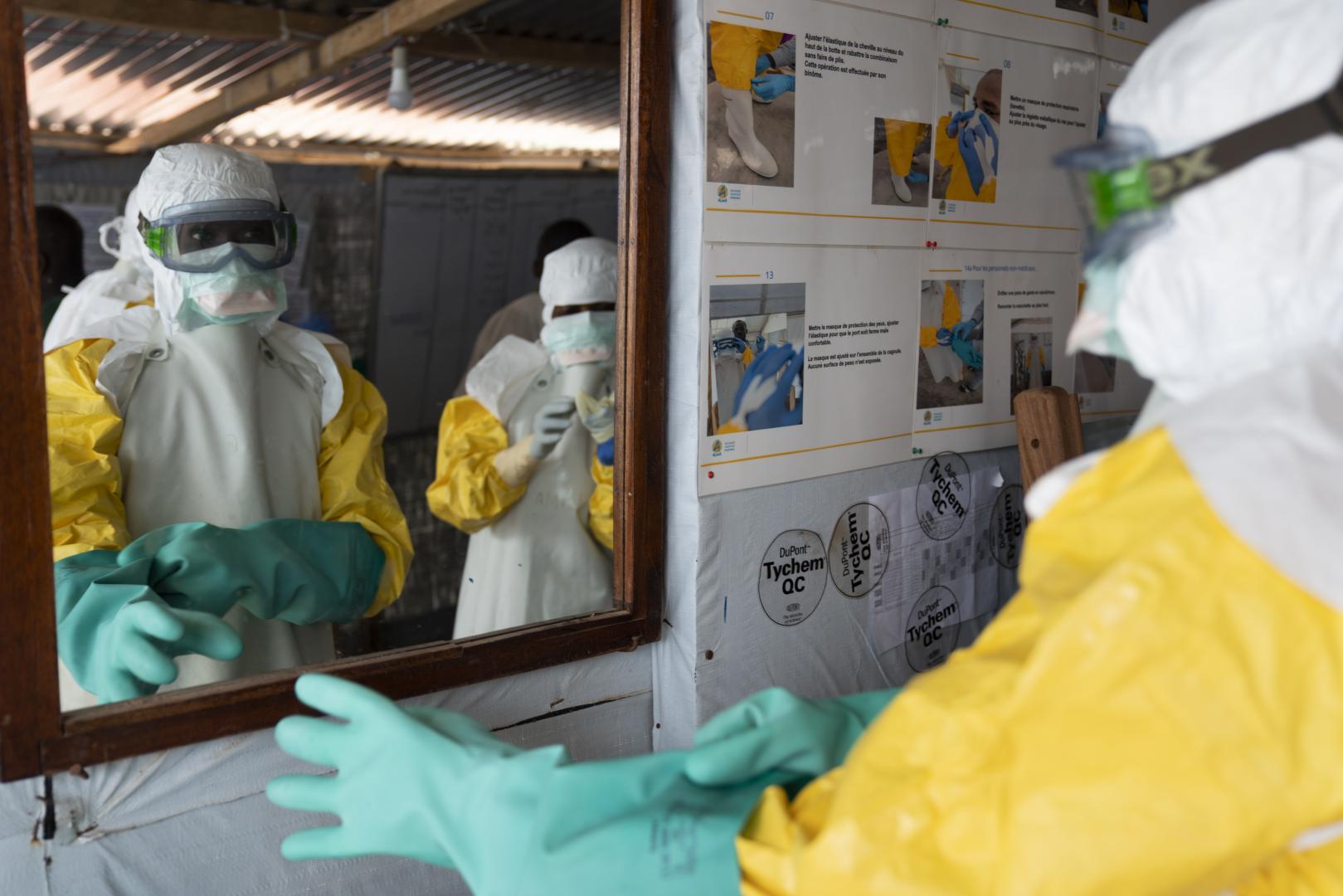
Saudi Arabia has barred its citizens from travelling to Kenya and stopped issuing visas to incoming visitors from the East African nation, responding to heightened worries regarding the transmission of the Ebola virus across the African continent. Under the new restrictions, entry into the Kingdom is entirely forbidden for individuals arriving straight from Kenya or through transit nations if they spent time in Kenya or any territory experiencing an active Ebola flare-up within the 21 days prior to their journey.
The Saudi Press Agency communicated these directives via its official social media channel, clarifying that the restrictions emerged from comprehensive epidemiological evaluations conducted by national medical regulators. According to official disclosures, the preventative steps aim to curb potential infection hazards stemming from the ongoing epidemic and safeguard the health security of citizens, foreign residents, and international pilgrims or visitors.
These updated travel bans expand upon earlier preventative frameworks established by the Kingdom in July 2019 and reinforced in May 2026 to monitor voyagers originating from regions flagged for high epidemic exposure. Earlier in June, authorities similarly restricted mobility involving the Democratic Republic of the Congo, Uganda, and South Sudan, alongside intensified border screening protocols.
What is the scope of the current African Ebola epidemic?
The broader health crisis is driven by the Bundibugyo strain of the virus, which first emerged in the Democratic Republic of the Congo during May 2026. The infection has since crossed national borders, triggering confirmed cases in Uganda, Kenya, Nigeria, and even European nations like France. Data compiled by the United States Centers for Disease Control and Prevention indicates that the DRC has registered 10,274 confirmed infections resulting in 4,992 fatalities.
Meanwhile, Kenya has documented nine cases with two deaths, whereas Uganda reported 20 cases and two fatalities. Nigeria has logged one confirmed case without any associated deaths. The widespread geographic transmission has alarmed international health monitors, emphasizing the critical need for enhanced border surveillance and rapid containment mechanisms.
How is Nigeria responding to the health threat?
Within domestic borders, Nigeria’s containment strategy has shifted following the detection of two suspected infections in the North-east. The Nigeria Centre for Disease Control and Prevention confirmed that both individuals have been placed under strict isolation while contact-tracing operations proceed.
Medical teams have collected samples for laboratory diagnostics to verify whether the patients carry the pathogen. Public health officials emphasized that classification as a suspected case does not automatically confirm an infection, noting that final determinations rely entirely on laboratory verification. The public health agency withheld specific details regarding the exact states where the suspected cases were identified, urging citizens to maintain calm and adhere to official hygiene advisories.