
The federal government has initiated plans to upgrade polytechnics across Nigeria, granting them the authority to award degrees. This significant policy change is being facilitated through amendments to the Polytechnic Act.
Minister of Education, Dr. Tunji Alausa, announced this development in Abuja during a high-level retreat attended by commissioners for education and heads of polytechnics nationwide. He highlighted that this reform seeks to address the long-standing disparity faced by Higher National Diploma (HND) holders compared to university graduates and aims to position polytechnics as centres of academic excellence.
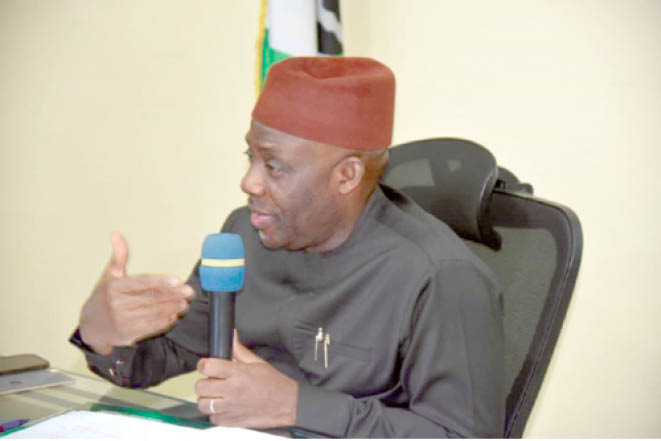
Dr. Alausa stated, “The ongoing amendments to the Polytechnic Act are designed to tackle the HND-university degree imbalance and enhance the standing of polytechnic qualifications, which includes enabling them to confer degrees.”
He further explained that this reform will strengthen the foundation of polytechnic education while retaining its core focus on practical, industry- aligned training. The policy is in line with President Bola Ahmed Tinubu’s "Renewed Hope Agenda," which emphasizes increased job creation, industrial advancement, and the development of human capital.
With the newly proposed degree-awarding capabilities, polytechnics are anticipated to foster stronger collaborations with industries, attract enhanced funding, and gain greater public trust. The minister assured all stakeholders that this transition would be managed with strict adherence to quality standards, effective regulatory frameworks, and robust quality assurance measures to ensure graduates are competitive on a global scale.
Comments (0)
You must be logged in to comment.
Be the first to comment on this article!