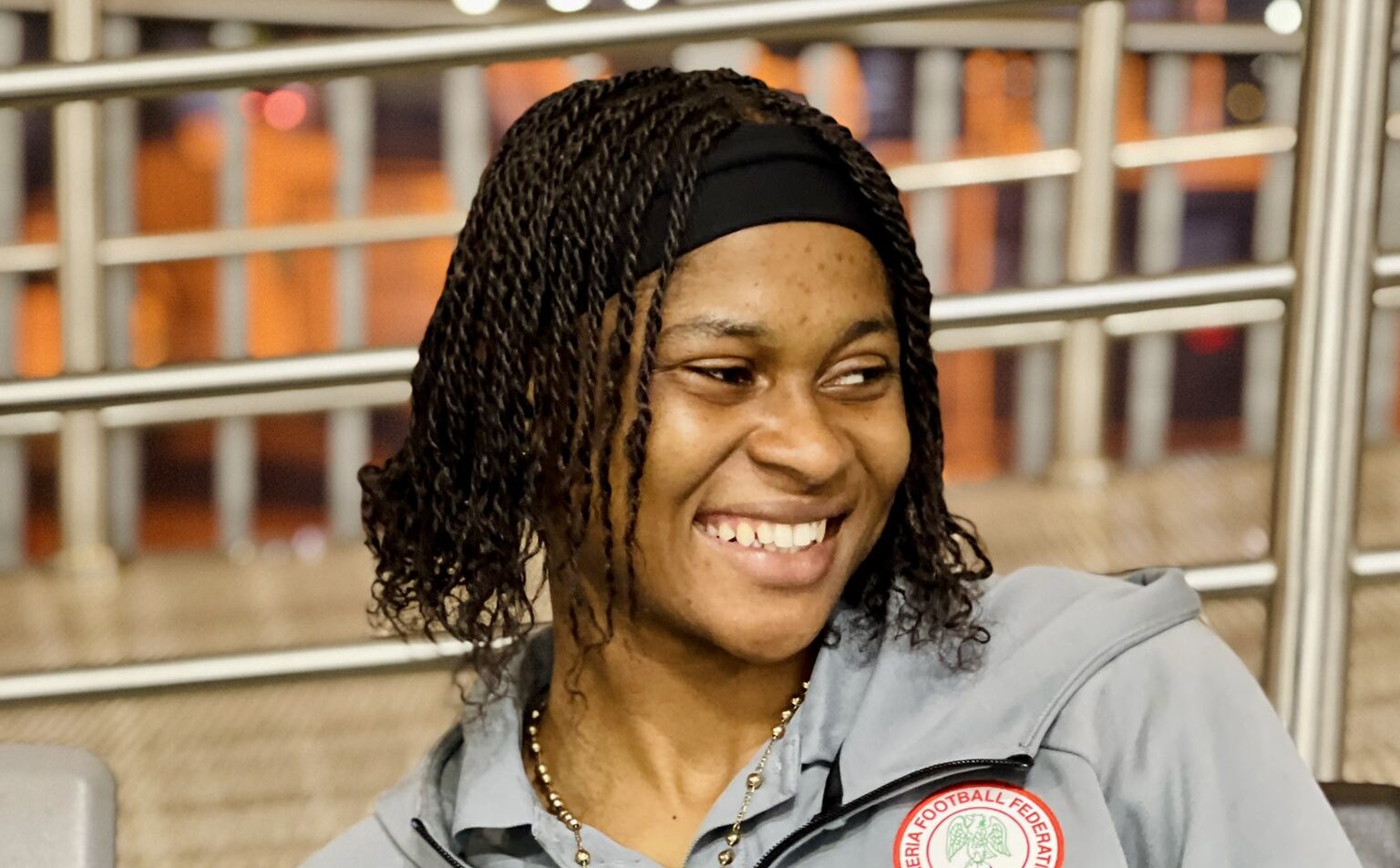
Nigeria’s senior women’s side, the Flamingos, meet Brazil in the semi‑final of the 2026 FIFA U‑17 Women’s World Cup on Wednesday in Morocco. A win would send the team to their first ever final at this level, while a loss ends a historic run that began with a loss to Poland but featured four straight victories, including a 3‑1 upset of defending champions DPR Korea.
Key facts for quick reference:
- Brazil have scored 17 goals in five matches and remain unbeaten.
- Nigeria’s goalkeeper Jane Ijirigho has made 16 saves in the tournament.
- Greise Kelly accounts for 47.06% of Brazil’s goals, with three scores and five assists.
- Oluebube Umejiaku earned the decisive penalty that sent Nigeria to the semi‑final.
- Brazil coach Rilany praised Nigeria’s physical intensity as a major challenge.
Who is the Nigerian goalkeeper expected to keep Brazil at bay?
Jane Ijirigho has been a reliable last line for the Flamingos, recording 16 saves, including crucial interventions against Puerto Rico and Mexico. Her reflexes and reach have helped Nigeria stay in games, but Brazil’s prolific attack will test her from all angles. Ijirigho must stay alert to crosses, shots from varied positions and the movement of Brazil’s forwards, while organizing the back line through clear communication.
Which Brazilian attacker poses the greatest creative threat?
Greise Kelly leads Brazil’s offense with three goals and five assists, the highest assist tally in the tournament. Her contributions account for nearly half of Brazil’s goals, highlighting her central role. Kelly’s dribbling, vision and passing ability make her a constant danger; Nigerian midfielders and defenders need to limit her space, disrupt her rhythm and prevent her from feeding teammates.
What impact does Oluebube Umejiaku have for Nigeria?
Oluebube Umejiaku has emerged as a key attacking outlet, scoring three times against Poland, DPR Korea and Mexico. Her decisive penalty in the quarter‑final versus Venezuela secured Nigeria’s semi‑final spot. Against Brazil, her runs behind the defence could exploit the South Americans’ nine‑goal concession record, provided she remains sharp and decisive in front of goal.
How does Brazil’s finisher Helena influence the match?
Helena, Brazil’s most lethal striker, netted both goals in the 2‑1 quarter‑final comeback over China PR, scoring early in the second half and again late to clinch victory. Her movement inside the box and clinical finishing will demand constant vigilance from Nigeria’s defenders, who cannot afford lapses against a player capable of changing a game in seconds.
Which young Nigerian forward adds another dimension to the attack?
Oluwakemi Adegbuyi, recently nominated for CAF’s young player of the year, has contributed two goals, including a crucial strike against DPR Korea that helped secure a 3‑1 win. Her ability to find space in the final third offers Brazil another defensive challenge, as they must split their focus between Adegbuyi and Umejiaku.
What tactical battles will shape the semi‑final?
- Greise Kelly vs Nigeria’s defensive organisation: Limiting Kelly’s time on the ball will require coordinated effort from the back line and midfield.
- Helena’s finishing vs Jane Ijirigho’s goalkeeping: Ijirigho must combine sharp reflexes with disciplined defensive positioning to deny Helena clear chances.
- Nigeria’s physical intensity vs Brazil’s technical quality: Coach Rilany has noted the Flamingos’ stamina as a potential obstacle; Nigeria can use pressing to disrupt Brazil’s passing, but must avoid leaving gaps.
Nigeria’s journey to this stage has been marked by resilience, overturning an opening defeat and eliminating the defending champions. Brazil, meanwhile, has displayed attacking depth and the ability to recover from setbacks. The performances of Ijirigho, Umejiaku and Adegbuyi could be decisive, while Kelly and Helena represent Brazil’s primary threats. A victory would give the Flamingos a historic chance to contest the final of the FIFA U‑17 Women’s World Cup.