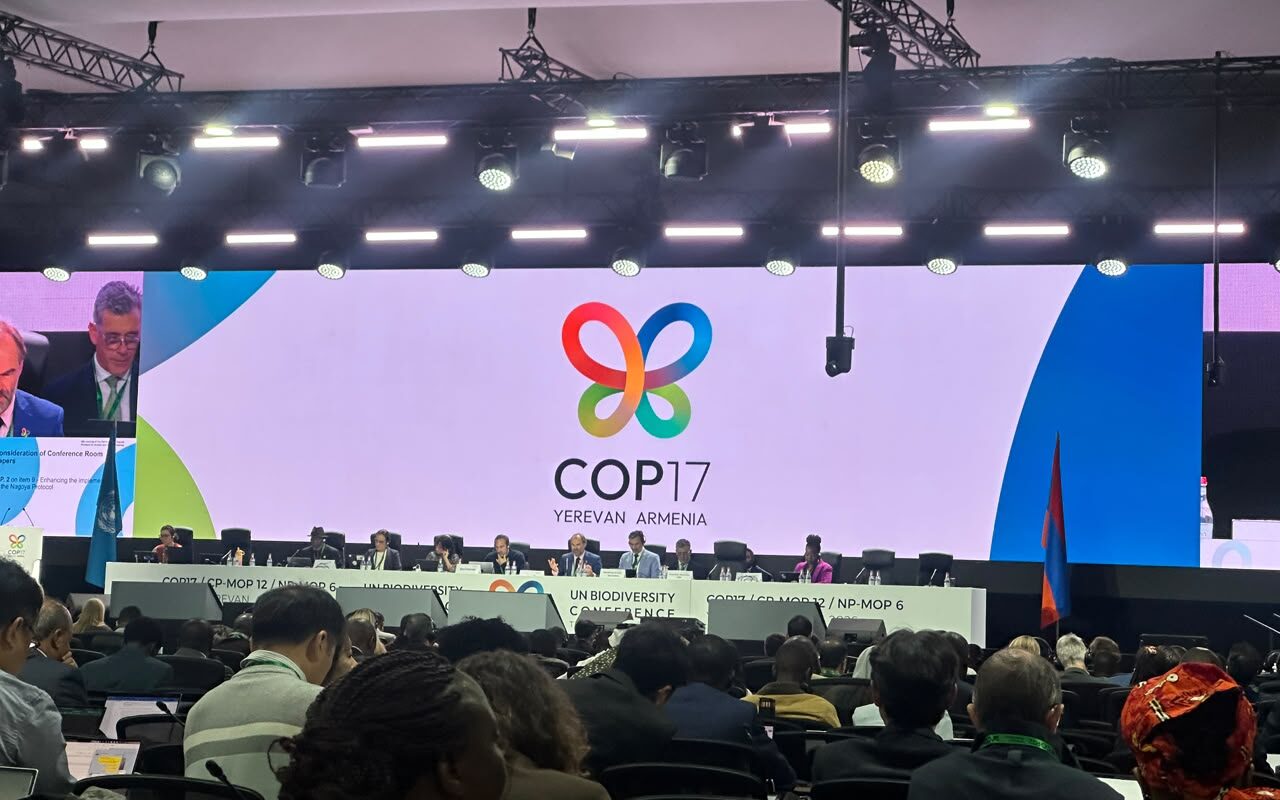
Delegates attending the 17th Conference of the Parties to the United Nations Convention on Biological Diversity (CBD) have successfully wrapped up over two weeks of negotiations by approving the Yerevan Pathway, a crucial strategic framework designed to combat accelerating global biodiversity loss.
Concluded on Saturday, 31 October, the summit ran an extra 24 hours past its initial deadline following intense diplomatic wrangling over critical themes such as resource mobilization, harmful economic incentives, indigenous rights, and marine protection. The overarching gathering—comprising COP17 alongside meetings tied to the Cartagena and Nagoya protocols—evaluated a comprehensive global progress review indicating that current efforts remain off track for the 2030 targets.
What are the core elements of the Yerevan Pathway?
The newly established Yerevan Pathway outlines clear priorities for international action leading up to 2030. Key focus areas include eliminating nature-damaging subsidies, scaling up financial and technical assistance for developing nations, synchronizing national economic strategies with the Kunming-Montreal Global Biodiversity Framework (KMGBF), and enhancing accountability through stricter monitoring mechanisms.
During the summit, participating nations and financial institutions mobilized nearly $2 billion in fresh conservation funding. This package features $560 million allocated under the GEF-9 replenishment and its Global Biodiversity Framework Fund, $500 million channeled through the Species Recovery Alliance, and upward of $330 million via the Value Nature Fund to attract private capital.
Why have conservation groups expressed disappointment?
Despite these financial pledges and the formal adoption of operational rules for the permanent subsidiary body on Article 8(j)—known as the Sevan Guidelines—several environmental organizations argue that the conference outcomes fell short of what is required to avert ecological collapse.
Representatives from the Wildlife Conservation Society (WCS) voiced strong reservations, characterizing the negotiations as overly timid in the face of an active planetary crisis. WCS Vice President for International Policy, Susan Lieberman, noted that while the event was well managed by the host government, the finalized texts lacked the necessary political ambition and binding firmness to drive immediate, transformative change.
"We are in the midst of a biodiversity crisis, and timidity will not save nature—we need strong outcomes for wildlife and wild places, not only outputs and great speeches," Ms. Lieberman stated, emphasizing that governments must urgently match their rhetoric with concrete policy execution and financial resolve.
Critics also pointed to missed opportunities regarding climate policy integration. Specifically, observers lamented the absence of a formalized cooperation roadmap linking the implementation of biodiversity goals with parallel commitments under the Paris Agreement, opting instead for voluntary guidelines.
Looking ahead, attention now shifts from international plenary halls to domestic implementation. With just four years remaining until the 2030 deadline, governments face immense pressure to translate the Yerevan commitments into tangible legislative reforms and measurable environmental recoveries. The next major test for the global community will occur at COP18, scheduled to take place in Ecuador in 2028.