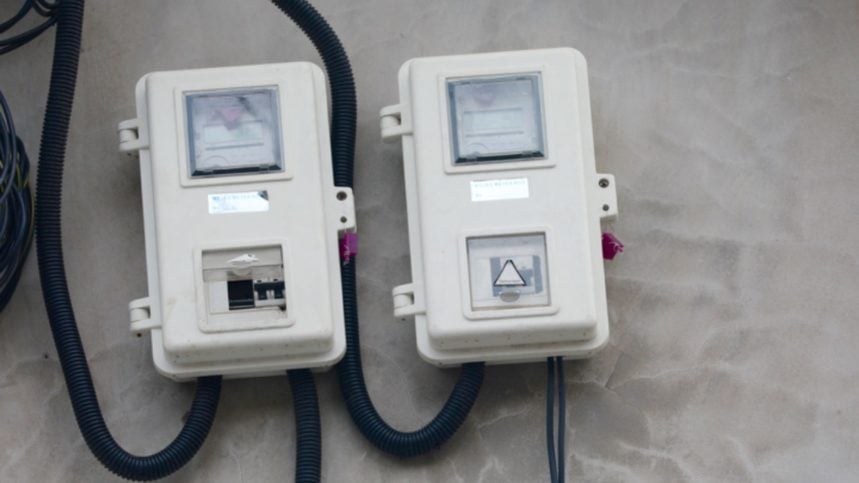
Consumers across Nigeria are reporting unexpected power interruptions or hefty fines after their prepaid electricity meters appear to malfunction. Such incidents usually stem from unauthorised adjustments, illegal bypasses, or accidental damage that trigger the meter’s built‑in safety lock. Recognising the warning signs – a tamper message, token rejection, broken seals, or a static reading despite appliances running – and contacting the relevant distribution company promptly can prevent further penalties.
Key facts for quick reference:
- A tamper lock can display the words “TAMPER”, “TAMP” or an error code on the screen.
- Valid 20‑digit tokens may be rejected with “REJECT” or “FAIL” messages when the meter is in lock mode.
- Broken or missing security seals are treated as evidence of unauthorised access.
- Bypassing the meter can leave appliances running while the displayed units stay at zero.
- Under Nigerian Electricity Regulatory Commission (NERC) guidelines, offenders face fines ranging from ₦100,000 to over ₦300,000, plus back‑billing and reconnection charges.
- “Tampering with meters is a serious offence and will attract heavy penalties,” NERC warned.
What does a “tamper” or “error” message mean?
When a prepaid meter’s cover is opened, screws are loosened, or internal wiring is altered, built‑in sensors immediately detect the intrusion. The device then displays a clear warning – typically the words “TAMPER”, “TAMP” or an error code – and cuts electricity to the premises to protect the circuit.
Why are valid tokens being rejected?
If the meter has entered tamper mode, its payment subsystem is locked. Even correctly entered 20‑digit recharge numbers will be ignored, and the screen will repeatedly show “REJECT” or “FAIL”. The meter will only resume normal operation after a field inspection by the [Distribution Company (DisCo)](https://regulationbodyofknowledge.org/glossary/d/distribution- utility-disco/) and the issuance of an official clear‑tamper token.
How can I tell if the seals are broken or the terminal cover is loose?
Every authorised prepaid meter is fitted with a security seal placed by the distribution company. If you notice that the plastic or metal seal is cut, missing, or hanging loosely, it indicates that the meter has been opened without permission. Even minor repairs by unqualified electricians are treated as tampering evidence by DisCos.
What does it mean when power stays on but the unit count does not change?
A static reading while appliances continue to operate suggests that the meter line has been bypassed. Some illegal technicians connect the incoming supply directly to the building’s main switchboard, effectively skipping the meter. Although this may appear to provide “free light”, regulators compare neighbourhood consumption against transformer billing and will penalise bypasses.
What steps should I take immediately?
- Document the issue – Photograph the screen, reading, meter number and any damaged or missing seals before touching the device.
- Retain purchase evidence – Keep token purchase receipts, transaction references and records of any failed token codes.
- Contact your DisCo – Visit the nearest customer service centre or lodge a complaint via the company’s verified WhatsApp, email or ticketing system.
- Request an inspection – Ask for a certified field engineer to examine the wiring, clear the tamper code or provide a replacement report if the meter is faulty.
Following these actions helps protect you from further service disruption and costly penalties while ensuring compliance with NERC and DisCo regulations.