
The battle against Lassa fever in Nigeria has reported a slight decrease in the number of new cases, yet the fatality rate continues to escalate, as indicated by the Nigeria Centre for Disease Control (NCDC).
According to the latest figures released on Monday, the NCDC documented 65 new cases during the last week of February, which marks a decline from the 77 cases reported the week before. Despite this reduction, the agency expressed concern over a notable rise in the case fatality rate, which has surged to over 23 percent, compared to just below 19 percent in the same timeframe last year.
The NCDC has linked the rising death toll to delayed health-seeking behaviour among those infected, emphasizing that many patients seek treatment only at advanced stages of the illness. Additionally, the organization has pointed out that poor sanitation and a lack of awareness in communities significantly contribute to the severity of the outbreak.
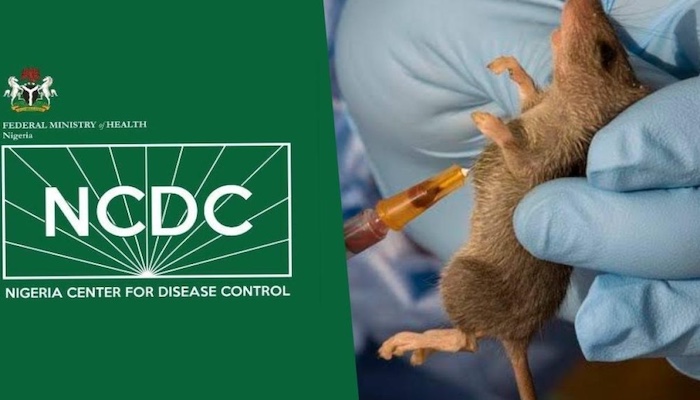
"The increased fatality is likely connected to the late presentation of cases, alongside deficiencies in sanitation and community awareness in the impacted regions," the agency stated.
In response to this alarming trend, the NCDC disclosed plans to bolster intervention measures across affected regions. This includes enhancing surveillance systems, broadening contact tracing efforts, and deploying rapid response teams to identified hotspots. Furthermore, the agency announced the distribution of personal protective equipment to healthcare facilities to protect frontline workers.
Recent data indicates that the age group most affected is between 21 and 30 years, with a noted increase in infections among healthcare professionals, raising additional concerns within the sector.
Lassa fever, first recognized in 1969 in the town of Lassa, is part of the same viral hemorrhagic fever family as Ebola and Marburg virus diseases. Typical symptoms include fever and vomiting, with severe cases potentially leading to internal bleeding.
Although Lassa fever is endemic in several West African regions and remains asymptomatic in around 80 percent of cases, serious outcomes are more prevalent when diagnosis and treatment are delayed. Health authorities also highlight the absence of licensed vaccines for Lassa fever, underscoring the critical importance of early detection and preventive measures.
Comments (0)
You must be logged in to comment.
Be the first to comment on this article!