
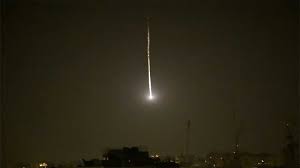
In the early hours of Tuesday, March 24, Iran fired a barrage of missiles towards Israel, triggering air raid sirens in various key cities including Tel Aviv, as reported by the Israeli military.
Explosions were noted in Tel Aviv, causing significant damage to a high-rise residential structure. Emergency services are currently engaged in rescue operations for civilians trapped within damaged buildings, while others sought shelter in safe zones.
This recent escalation follows an announcement by Donald Trump, who indicated a temporary halt to planned U.S. military strikes on Iran's energy sector, emphasizing what he called 'productive' talks with Iranian representatives aimed at easing tensions in the Middle East.
However, Iranian officials staunchly denied the existence of any negotiations. Mohammad Baqer Qalibaf rejected Trump's statements as 'fake news,' accusing the U.S. of trying to manipulate international oil and financial markets. The Iranian Revolutionary Guards also referred to Trump's claims as psychological maneuvers, asserting they would not influence Iran's military strategy.
On the other hand, Israel confirmed that its air force executed extensive bombardments in Tehran, targeting crucial military and intelligence installations, including those associated with the Islamic Revolutionary Guard Corps as well as missile production sites. Numerous strategic targets were reported to have been struck.
The conflict is contributing to escalated global tensions, particularly surrounding the Strait of Hormuz, a vital passage for oil and gas shipments. Iran's maneuvers in the area have sparked concerns over potential severe disruptions to global energy markets.
Despite indications from Washington that diplomatic resolutions might be possible, both Israel and Iran continue their military operations, with the potential for further escalation increasing.
Comments (0)
You must be logged in to comment.
Be the first to comment on this article!