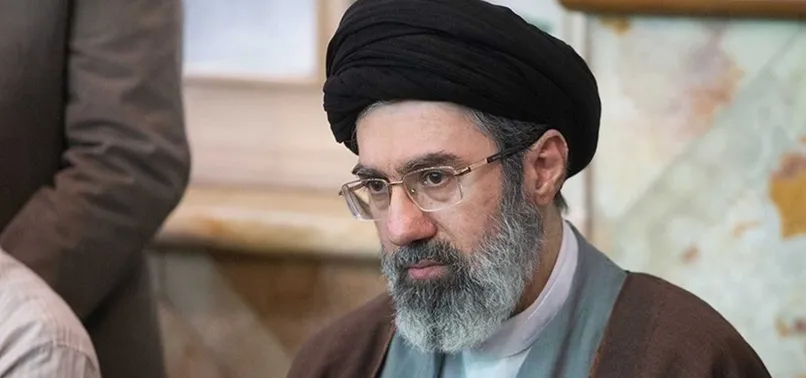
Iran’s supreme leader Ayatollah Mojtaba Khamenei issued a written statement on Saturday warning the United States and Israel that any renewed military or terrorist action would be answered by Iran’s armed forces, which would decide the timing and conditions for ending the hostilities.
What did the statement say?
The declaration, posted on the leader’s official website, read: “If the enemies once again launch military or terrorist attacks, it is the armed forces of the Islamic Republic and the Iranian nation that will determine the time and conditions for ending them.” The wording signals Tehran’s readiness to set the parameters of any future cease‑fire.
Who was present at the briefing?
The warning was reportedly delivered during a meeting with senior military commanders, including armed forces chief of staff Ali Abdollahi, army chief Amir Hatami and Revolutionary Guards commander Ahmad Vahidi. It marked the first documented gathering of Khamenei with these officials since he assumed the supreme leadership role.
What orders were given to the military?
Khamenei instructed the commanders to prepare an immediate response to any new threat, stating that “any level or type of threat must be met with an immediate, impactful and geographically unrestricted response.” He also ordered an update to Iran’s target list to encompass “all types of tangible and intangible assets belonging to the American‑Zionist enemy.”
What is the broader context?
The warning follows the escalation that began on 28 February, when coordinated US‑Israeli strikes targeted Iranian facilities, prompting Tehran to launch retaliatory attacks across the region. Diplomatic channels remain active; a Qatari delegation arrived in Tehran on 30 October for talks with Iranian officials, and reports indicate that Iran has received a letter from US Vice President JD Vance, though no official response has been issued yet.
What are the implications?
The statement underscores Iran’s determination to retain strategic control over any future escalation and signals to Washington and Jerusalem that Tehran will not accept externally imposed cease‑fire terms. Analysts note that the explicit mention of “geographically unrestricted” retaliation raises concerns about the potential scope of Iran’s response should hostilities resume.