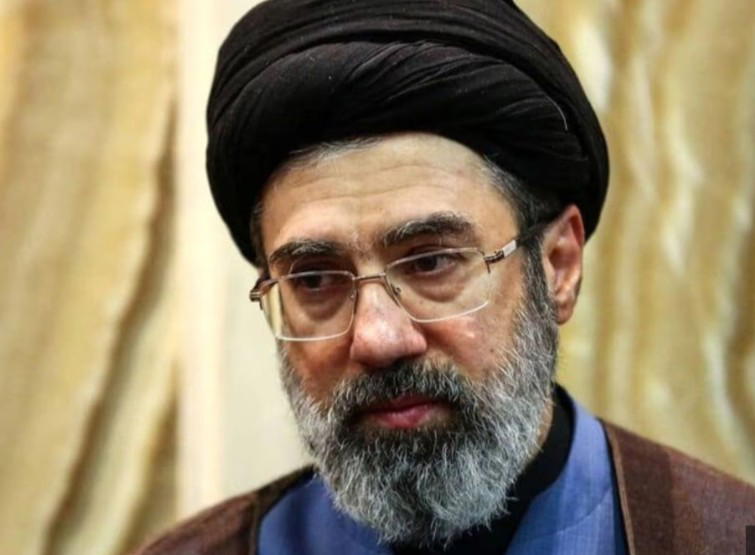
Iranian supreme leader Mojtaba Khamenei has cautioned the United States and Israel against restarting hostilities, warning that the Islamic Republic's military forces will dictate the terms and conclusion of any future conflict. His remarks, released via a written statement on his official website following reported threats of renewed strikes from foreign adversaries, mark a firm stance amid ongoing regional tensions.
What were the core directives issued by the supreme leader?
During a strategic gathering with high-ranking military officials—including armed forces chief of staff Ali Abdollahi, army chief Amir Hatami, and Islamic Revolutionary Guard Corps commander Ahmad Vahidi—Khamenei issued explicit directives. This gathering marked his first publicly documented interaction with top military brass since assuming the role of supreme leader following his father's death.
According to the official communication, Khamenei instructed military commanders to ensure that any form of aggression receives an immediate, decisive, and geographically unrestricted counter-offensive. Furthermore, he mandated the immediate updating of Iran's strategic target registry to encompass all tangible and intangible holdings associated with American and Israeli interests.
How did the current conflict begin?
Hostilities originally erupted on February 28, following coordinated military strikes by the United States and Israel against Iranian installations. Tehran retaliated swiftly by targeting neighboring nations across the region, plunging the wider Middle East into a prolonged security crisis. The recent stern warnings from Tehran coincide with renewed diplomatic engagements aimed at preventing a fresh wave of violence.
What diplomatic steps are currently underway?
Diplomatic channels remain active as international mediators attempt to de- escalate the situation. A high-level delegation from Qatar traveled to Tehran for formal discussions with Iranian authorities following reports that Tehran received formal correspondence from United States Vice President JD Vance. Domestic media reports indicate that Iranian leadership has not yet formally replied to the communication, leaving the diplomatic outlook uncertain as military preparedness remains heightened.