
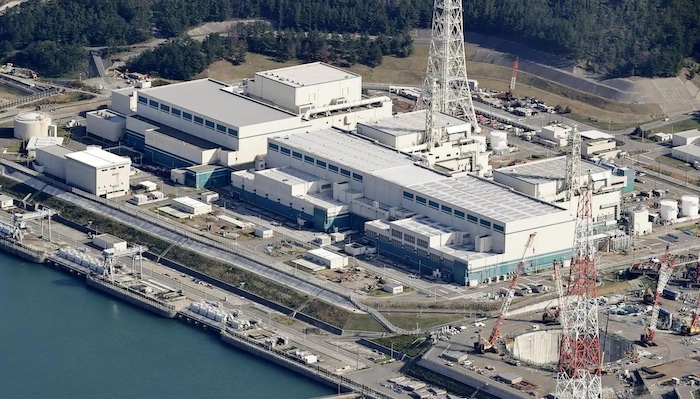
Japan has officially restarted Reactor No. 6 at the Kashiwazaki-Kariwa nuclear facility, the largest of its kind globally, nearly 15 years after the Fukushima disaster necessitated a nationwide shutdown. Although the reactor faced a one-day postponement due to an alarm issue, it is projected to commence commercial operations in the following month.
This restart represents a crucial advancement in Japan's nuclear energy resurgence, despite the challenges lying ahead. Currently, only one other reactor at this facility is slated to come back online by 2030, while it is anticipated that five might be decommissioned, which would diminish the plant's overall capacity from the current 8.2 gigawatts.
Prior to the 2011 Fukushima crisis, nuclear power supplied almost 30% of Japan’s electricity. Today, that figure has dropped to just 8.5%. Nevertheless, the government's ambition aims to increase this share to 20% by the year 2040. Achieving energy self-sufficiency is also critical, particularly given the rising energy demands from data centers and the semiconductor industry.
Japan has put in place rigorous safety enhancements, including constructing seawalls that rise 15 meters and installing watertight doors, all under the supervision of the Nuclear Regulation Authority. However, public apprehension and skepticism remain, fueled by historical scandals and the ongoing release of treated radioactive water from the Fukushima plant.
Critics caution that the costs associated with nuclear energy are escalating due to safety regulations and question whether the sector is sufficiently preparing for forthcoming climate and seismic challenges. On the other hand, proponents highlight the reliability of nuclear energy in contrast to renewable sources and its significance in Japan's journey towards cleaner energy.
Comments (0)
You must be logged in to comment.
Be the first to comment on this article!