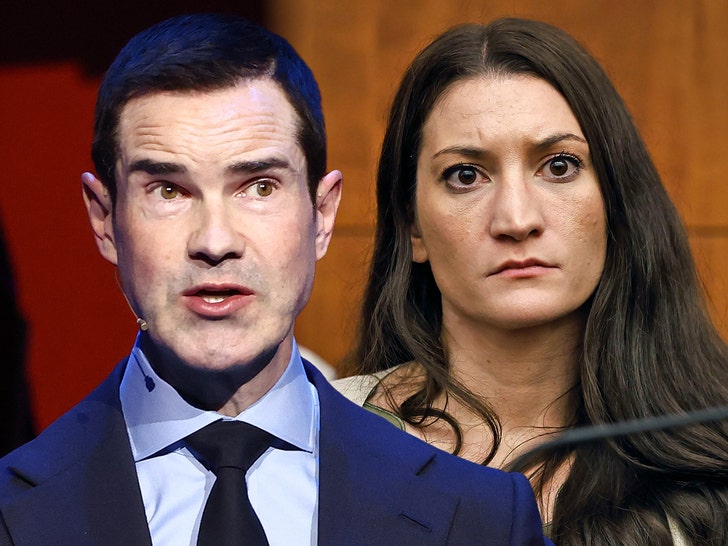
Comedian [Jimmy Carr](https://en.wikipedia.org/wiki/Jimmy_Carr) attracted intense online criticism after he publicly defended [Lindsay Clancy](https://en.wikipedia.org/wiki/Lindsay_Clancy), the woman charged with killing her three children, arguing that post‑natal depression might have driven her actions. Carr posted video of the exchange on social media, stating that people unfamiliar with severe postpartum mental illness could struggle to grasp the complexity of the case.
What did Carr say about the case?
Carr suggested that women who have suffered after childbirth may feel empathy for Clancy because they fear they could have faced a similar crisis. He framed the alleged killings as the result of a profound mental‑health breakdown rather than a manifestation of evil intent. Carr also claimed that society judges mothers more harshly than fathers, implying the story would have received less attention if a man were accused of the same conduct.
How have netizens responded?
Reactions online were mixed. Some users condemned Carr’s remarks, accusing him of downplaying a horrific crime, while a smaller group defended his attempt to highlight maternal mental‑health issues. The controversy erupted just as Carr prepares for an upcoming comedy tour across the United Kingdom and Ireland.
What is the status of the legal proceedings?
Separately, a judge refused to schedule an evidentiary hearing concerning a holdout juror after the mistrial in Clancy’s case. The judge explained that the legal arguments raised by Clancy’s counsel emerged only after the mistrial had been declared, and therefore could not be applied retroactively.
Why does this matter?
The incident underscores the tension between public discourse on mental health and the demand for accountability in violent crimes. It also illustrates how celebrity commentary can amplify debates about societal expectations of mothers, especially in high‑profile criminal cases.
Overall, Carr’s defence of Clancy has sparked a broader conversation about postpartum mental illness, gender bias in media coverage, and the responsibilities of public figures when commenting on ongoing legal matters.