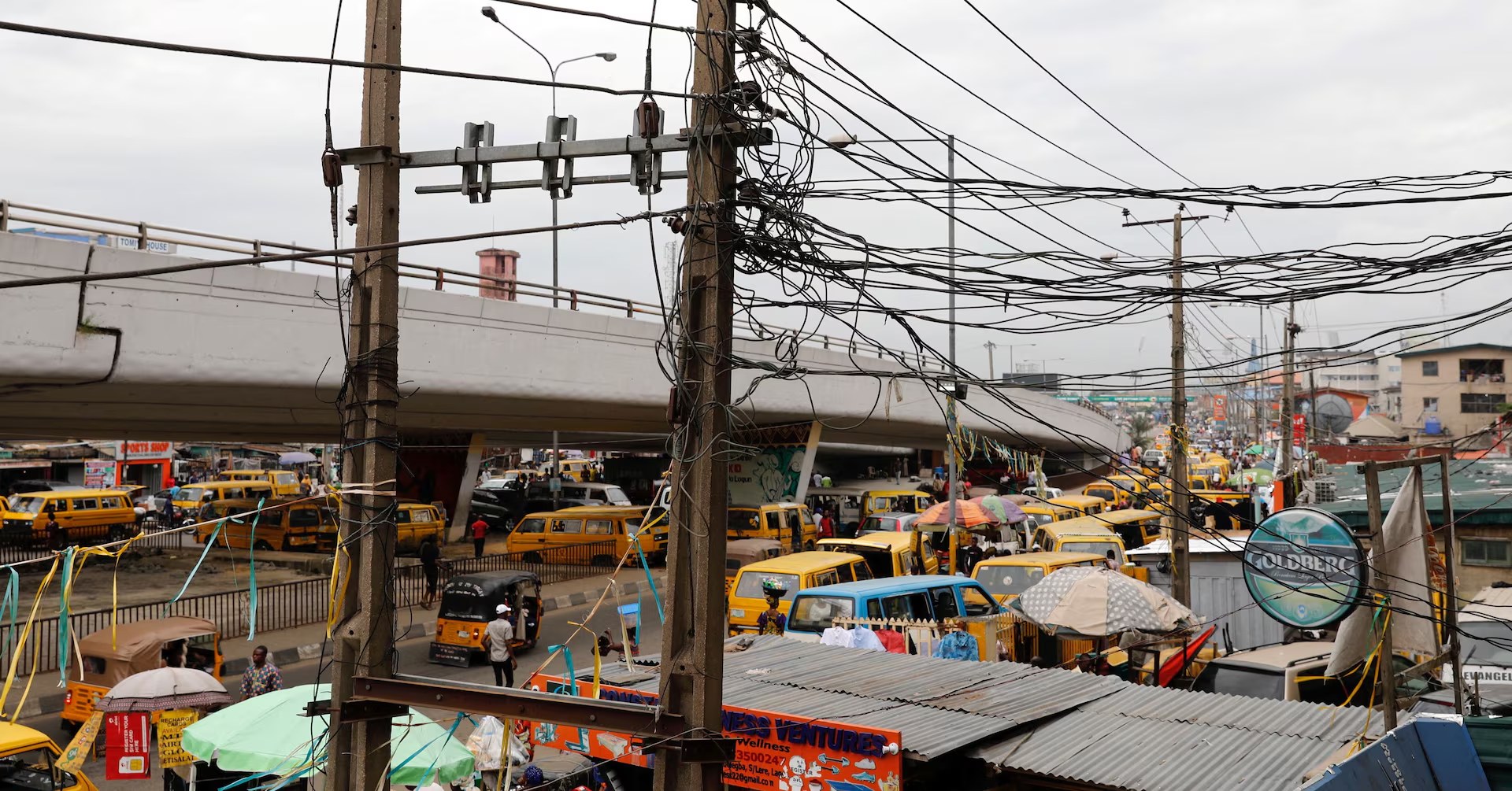
For nearly three weeks since early October, electricity consumers across Lagos have faced erratic power supply, driven by a severe reduction in electricity allocation from the national grid. Major distribution firms like Ikeja Electric confirmed that generation shortfalls triggered extended outages lasting up to 48 hours in communities such as Ikeja, Ogba, and FESTAC.
What factors caused the grid collapse?
National power generation witnessed a dramatic plunge, dropping precipitously from 3,840 megawatts (MW) to 476.7 MW overnight, while major power stations including Egbin, Jebba, Shiroro, and Kainji recorded zero output. Although Nigeria boasts an installed generation capacity of approximately 13,000 MW, actual generation has hovered around 4,500 MW over the past two years. Grid operators reported multiple trippings on the 330kV transmission network, compounding an already fragile system that suffered at least five line trippings between September and October alone.
How do gas shortages and debts impact power generation?
The ongoing energy crisis is further exacerbated by acute gas supply deficits, which fell to just 43 percent of required volumes earlier in the year. According to Joy Ogaji, the head of the Association of Power Generation Companies, gas suppliers refuse to release fuel without guaranteed payments, while generation companies report that accumulated government subsidy liabilities have soared to ₦6 trillion. Furthermore, the country's transmission network remains heavily constrained by decades-old infrastructure, with former power officials noting that parts of the grid are more than 50 years old.
What is the financial standing of distribution companies?
Compounding the generation bottleneck, electricity distribution companies continue to battle significant revenue collection gaps. Data from the Nigerian Electricity Regulatory Commission indicates that distribution companies failed to collect ₦45.26 billion out of the ₦250.79 billion billed to consumers in July, representing an aggregate collection efficiency of 81.95 percent. During the second quarter, the sector recorded staggering billing losses totaling ₦201.9 billion.
What are the government's long-term plans?
To address structural deficits, the federal administration has outlined plans to phase out electricity subsidies by 2027. Meanwhile, distribution networks have yet to provide a definitive timeline for full power restoration, leaving millions of residents grappling with prolonged darkness.