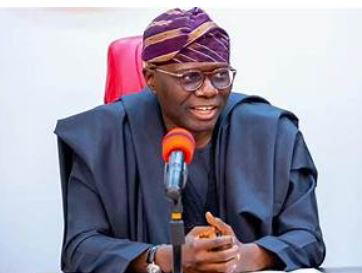
Lagos State Governor Babajide Sanwo‑Olu declared that, under Executive Order EO/BOS/01 of 2024, mandatory social health insurance will become effective on 1 January 2027, and residents must secure a policy by 31 December 2026.
What does the executive order require?
The order obliges individuals, employers and the government to ensure that every Lagos resident is covered by a health insurance scheme. It also establishes two new oversight boards to monitor implementation and compliance.
How will the new private plans differ from Ilera Eko?
Sanwo‑Olu unveiled the Lagos Private Health Plans (LPHP), a package aimed at salaried workers and corporate entities. This initiative sits alongside the existing Ilera Eko programme, which primarily serves vulnerable populations and informal‑sector workers.
What role will employers play?
The governor emphasized that employers should treat health insurance as a core business expense, comparable to pension contributions and other statutory obligations. By doing so, they help protect employees from the financial shock of medical bills.
How will healthcare providers be expected to act?
Sanwo‑Olu warned that hospitals and clinics must not refuse emergency care on the basis of a patient’s ability to pay. Stabilisation of patients should precede any discussion of payment or insurance verification.
The governor disclosed that 21 health‑maintenance organisations have signed up to participate in the LPHP, describing the scheme as a partnership between the Lagos State Government and private insurers to broaden coverage and improve service delivery.
In a bid to retain medical talent, Sanwo‑Olu urged doctors considering migration to reconsider, arguing that a robust financing system will make the profession more sustainable.
What did the health commissioner say about rising costs?
Lagos State Commissioner for Health Prof. Akin Abayomi noted that advances such as artificial intelligence, robotics and modern diagnostics have driven up the cost of care. He called for an inclusive insurance framework to shield residents from escalating expenses while guaranteeing quality treatment.
Abayomi characterised the policy shift as a move away from heavy reliance on out‑of‑pocket payments, which he said place undue strain on households and health facilities.
How is the state expanding coverage for vulnerable groups?
Dr. Adebayo Adedewe, chairman of the Lagos State Health Management Agency, announced that the Health Equity Fund has been increased from ₦1 billion to ₦3 billion. The boost aims to cover more than 500,000 low‑income residents who cannot afford insurance premiums.
Adedewe added that LASHMA will continue to drive enrolment through community outreach, including radio spots, billboards, digital campaigns and collaborations with traditional rulers, market associations, transport unions and other grassroots bodies.
Overall, the mandatory insurance policy seeks to create a healthier Lagos where financial barriers no longer prevent access to essential medical services.