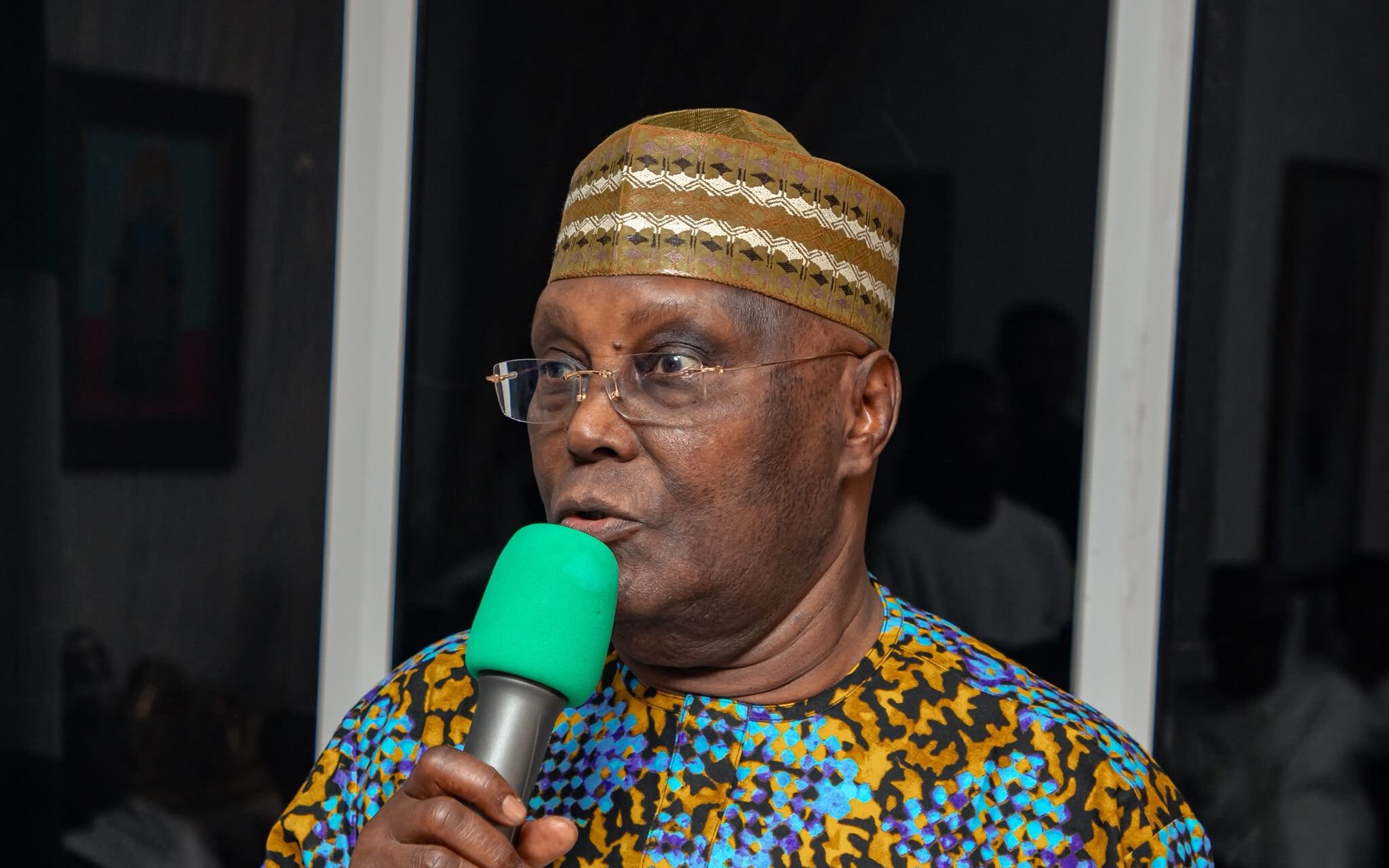
As political parties accelerate preparations for the upcoming electoral cycle, simultaneous judicial rulings and campaign disputes are shaping the national landscape. A Federal High Court in Abuja recently voided the nomination of Atiku Abubakar on the official list of candidates, complicating opposition strategies as political actors traverse various states to galvanise support.
The judicial decision, delivered by Justice Peter Lifu, nullified the caretaker leadership of the African Democratic Congress headed by former Senate President David Mark. The court ruled that the emergence of the Mark-led executive breached the party's constitution and electoral guidelines. Despite this setback, campaign activities have continued, with affected political figures vowing to exhaust legal avenues to protect their electoral ambitions.
What did the court rule concerning the ADC leadership?
Justice Lifu held that the caretaker committee comprising David Mark and National Secretary Rauf Aregbesola was unlawfully constituted. The judgement specifically directed the Independent National Electoral Commission to disregard decisions emanating from the party's National Executive Committee meetings held under that leadership, including candidate nominations for the 2027 general elections. The suit was brought by Nafiu Bala Gombe, who asserted his right to the chairmanship following previous internal leadership resignations.
In response to the judgment, representatives for Atiku Abubakar indicated an immediate appeal and sought a stay of execution. Meanwhile, the legal department of the party maintained that conflicting previous judgements had created ambiguity, pointing to an earlier ruling by Justice Musa Liman which had declined jurisdiction over internal party affairs while affirming the leadership transition.
How are campaigns progressing despite the legal hurdles?
Notwithstanding the court pronouncement, Atiku proceeded with campaign stops in Kebbi State, where David Mark participated in presenting party flags to candidates. Atiku pledged to revamp national security, stimulate job creation, and reinstate fuel subsidies if elected. Legal teams on both sides continue to spar over the status of candidate lists published by the electoral umpire.
Parallel developments occurred in Nasarawa State, where Governor Abdullahi Sule mandated security agencies to investigate disruptions during a presidential campaign visit by Vice-President Kashim Shettima. Clashes erupted at Lafia Square between supporters of rival governorship factions, prompting security operatives to deploy tear gas. State authorities have called for thorough inquiries into the root causes of the confrontation and the adherence to security protocols.
Meanwhile, discussions surrounding campaign logistics have also intensified. Civil society coalitions recently criticized exorbitant billboard charges levied by state signage agencies in regions like Abia, Enugu, and Cross River, arguing that steep permit costs hinder equitable political participation. Federal Capital Territory Minister Nyesom Wike defended pricing structures in Abuja as a necessary revenue-generation measure for infrastructure development, underscoring the mounting expenses associated with modern political campaigns in Nigeria.