
Heightened hostilities in the Middle East, fuelled by US actions that favour Israel against Iran, have once again underscored the world's reliance on oil and the precarious position of less developed, oil-dependent nations. The conflict has already triggered a nearly 10 percent surge in crude oil prices. A significant concern is the potential shutdown of the Strait of Hormuz, a vital waterway through which approximately one-fifth of global oil supply passes. If this crucial chokepoint is indeed closed, global oil prices could surpass the $100 per barrel mark, starkly illustrating the grave consequences of the world's continued dependence on fossil fuels.
The impact on Africa is expected to be substantial. The continent is bracing for a significant increase in fuel costs and a rise in food inflation. Oil- importing countries like Kenya, Ghana, and Uganda will face added pressure on their transport and production sectors. While oil-exporting nations might see short-term price increases, this will not shield them from the broader vulnerabilities of global market shocks.
Africa's current reliance on fossil fuels for both energy and revenue leaves the continent susceptible to geopolitical events far beyond its control. This undue exposure and the resulting strain are significantly impacting fiscal planning, social programs, and hindering development initiatives across the region.
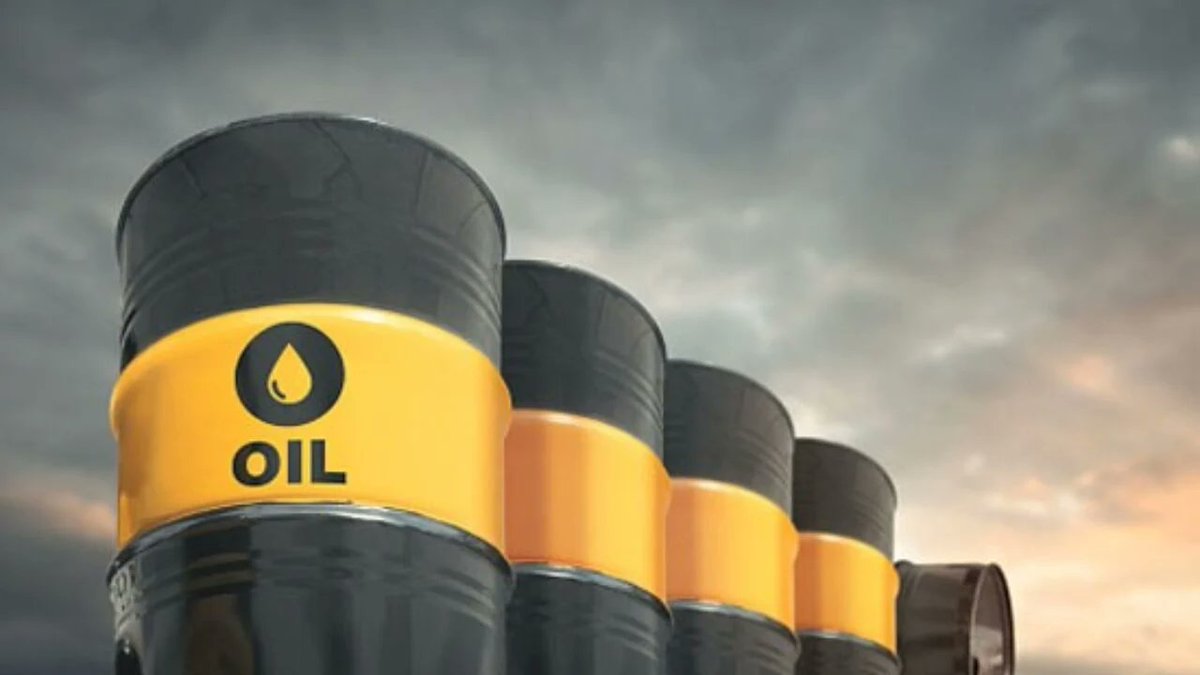
This challenging situation reveals a broader opportunity: Africa's energy independence is achievable. The continent must recognise that fossil fuels and their perceived benefits are subject to external forces beyond its influence. Geopolitical tensions, such as those seen between the US and Iran, and supply disruptions experienced in places like Venezuela, can destabilise Africa. Every rise in fuel prices escalates household expenses and limits governments' capacity to fund essential social services and public infrastructure.
Amidst these challenges, a significant opportunity emerges. Africa possesses immense renewable energy potential, from the sun-drenched deserts of the Sahel to the wind-swept coastlines and the vast hydroelectric resources of the Congo Basin and beyond. Initiatives like the Africa Renewable Energy Initiative (AREI) now require urgent prioritisation from the African Union and all member states to foster clean energy across the continent. Harnessing this potential can reduce Africa's dependence on foreign energy sources, improve energy access, and lower the cost of electricity.
Furthermore, investing in renewable energy infrastructure will propel economic diversification. Emerging green hydrogen and other clean-tech industries have demonstrated their capacity to create jobs, strengthen domestic industries, and enhance continental trade. By transitioning away from a fossil fuel- dependent economy, Africa can insulate its economies from global volatility and establish a foundation for sustained growth.
Domestically, Nigeria, in particular, needs to reassess its developmental priorities. The current global realities, coupled with the lessons learned during the COVID-19 pandemic when oil exports faced market disruptions, should compel the government to re-evaluate and redefine its policy objectives. The country must secure long-term financing instruments that are insulated from fluctuations in global oil prices to accelerate development.
Continuing to finance public expenditures through fossil fuel revenues and directing significant portions of these revenues into speculative ventures like frontier exploration is no longer a sustainable strategy. Such approaches only expose the nation to unnecessary and avoidable risks.
Ultimately, the ongoing conflict involving the US, Israel, and Iran should serve as a wake-up call for Africa. Vulnerability to global oil price shocks is not an unavoidable fate but a choice perpetuated by African leadership. Investing in sustainable industrialisation and clean energy solutions is the most viable path for Africa and Nigeria to transform current uncertainties into an era of resilience and self-determination.
Comments (0)
You must be logged in to comment.
Be the first to comment on this article!