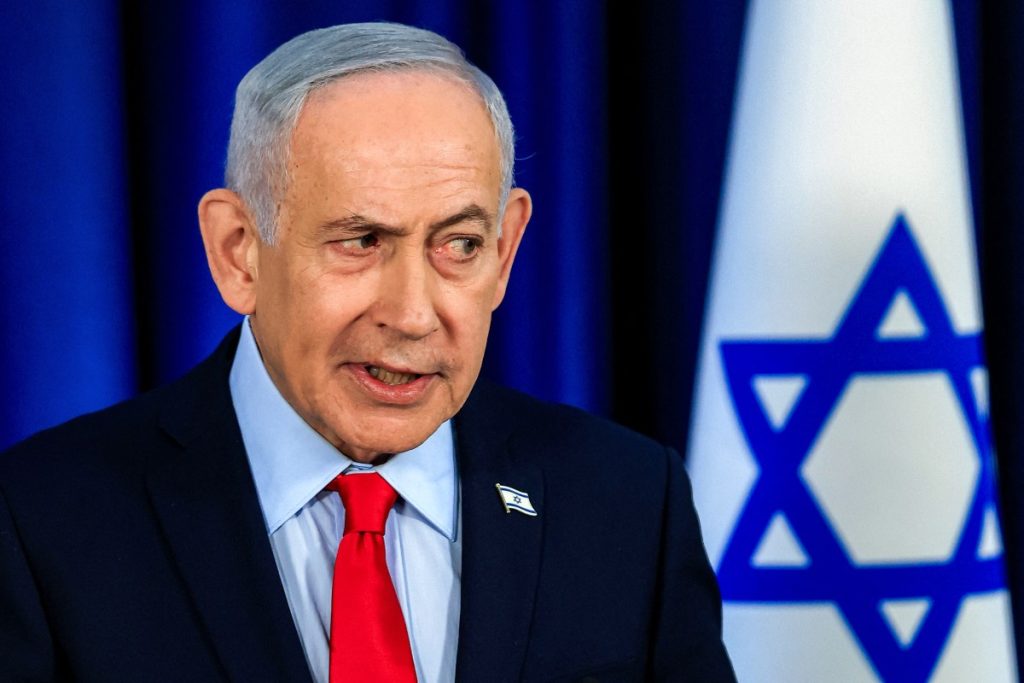
Israel’s parliamentary election wrapped up on Friday, leaving Prime Minister Benjamin Netanyahu heading the largest parliamentary grouping but still far from the 61 seats required to command a majority in the 120‑member Knesset. Netanyahu’s right‑wing and far‑right alliance secured 53 seats, while the centrist opposition under Gadi Eisenkot obtained 48, and the Arab parties Raam and the Joint List together captured 19 seats.
Key figures:
- Netanyahu’s bloc: 53 seats (Likud 27, plus allied parties).
- Eisenkot’s opposition: 48 seats.
- Arab parties Raam and Joint List: 19 seats combined.
- Majority threshold: 61 seats.
- Quote from Likud: “The Raamgate scandal is a political earthquake. Israel’s elections have been stolen!”
What does the seat distribution mean for government formation?
No single faction reached the 61‑seat mark, meaning coalition negotiations are expected to be lengthy and complex. Both the right‑wing bloc and the opposition will need to court the Arab parties, which now hold the balance of power and could become decisive kingmakers.
Why are allegations of foreign funding surfacing?
On Thursday, Netanyahu’s camp amplified unverified claims that Arab‑Israeli parties received money from Qatar to influence the vote. The accusations targeted Raam, suggesting it was financed by the Gulf state, which has known links to Hamas. Raam leader Mansour Abbas denied any wrongdoing and welcomed an investigation, while the Joint List accused Netanyahu of running a “campaign of incitement” to undermine Arab voters.
How are security agencies responding?
Israel’s domestic security service, the Shin Bet, confirmed it was probing alleged irregularities but emphasized the inquiry was not intended to “cast aspersions or place blame on an entire sector that went out to vote in a democratic and lawful manner.” The election commission’s acting director‑general Dean Livne called suggestions of widespread fraud “entirely groundless.”
What is the stance of the Arab parties?
Yousef Jabareen, head of the Joint List, told AFP he is prepared to cooperate with the opposition to unseat Netanyahu but will not join a government. Raam’s Mansour Abbas reiterated his openness to an investigation and rejected the funding allegations as baseless.
Could a new election be called?
If coalition talks stall and no viable majority emerges, Israeli law permits the president to call another election. Both opposition figures and Netanyahu’s critics argue that the prime minister is attempting to delegitimize the results after failing to secure a governing majority.
The episode revives earlier controversies surrounding Qatar, after two of Netanyahu’s aides were arrested last year on suspicion of receiving payments from the Gulf state. Qatar has dismissed the latest claims as “ridiculous and dangerous.”
Overall, Israel now faces a politically fragmented Knesset, with the Arab party groupings poised to exert significant influence over any future coalition, while the legitimacy of the vote remains contested by both sides.