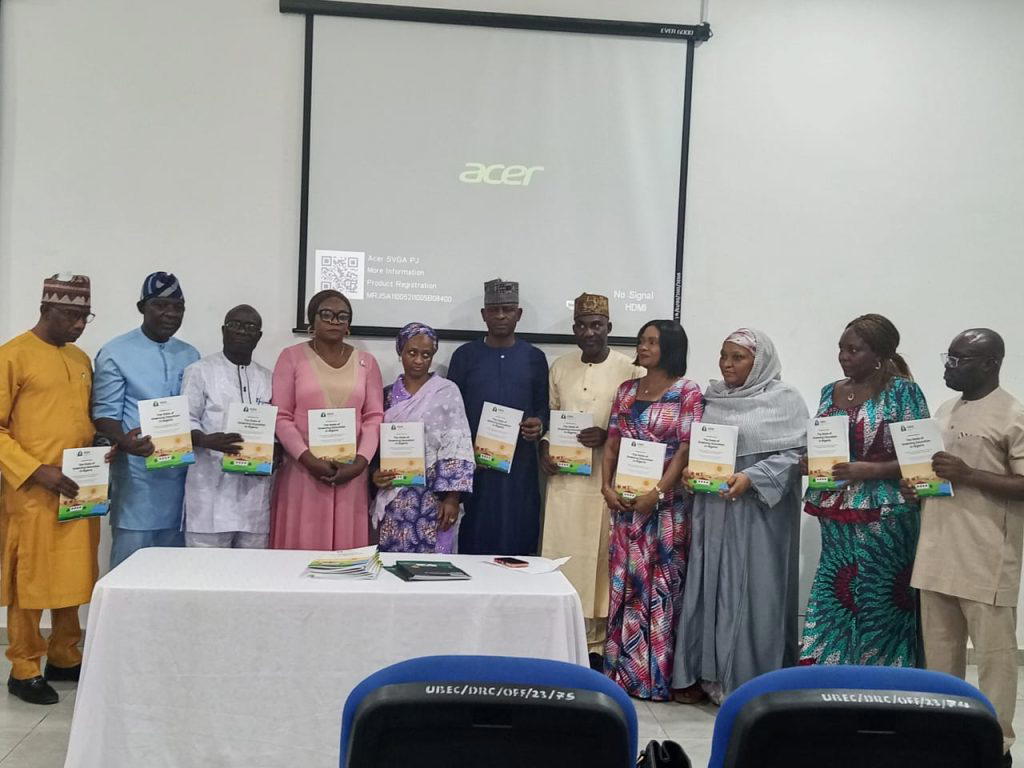
Nigeria currently holds the second position globally among 163 nations regarding children's vulnerability to environmental and climatic hazards, while the educational sector secures roughly 1.5 percent of international climate funds. This critical assessment was made public in Abuja during the official presentation of the State of Green Education in Nigeria Report and Policy Brief by the Institute for Greening Education in Nigeria, highlighting the pressing need for comprehensive reforms to safeguard students and academic infrastructure.
What are the main environmental threats facing Nigerian schools?
During the launch event, IGEN Executive Secretary Mr Unyime Robinson pointed out that recurrent flooding, severe heatwaves, soil erosion, droughts, and advancing desertification are continuously compromising academic facilities. These ecological disruptions interrupt academic calendars and endanger the safety and health of both educators and students across the country.
According to Robinson, the national educational framework must evolve to withstand climate pressures through resilient infrastructure development, dedicated climate studies, educator training, and the practical acquisition of green competencies. He emphasized that merely instructing students on environmental theory falls short, noting that sustainability must be embedded into daily institutional operations, instructional methods, and overall school management.
Why is increased climate financing crucial for education?
The newly unveiled document highlights several systemic barriers, including deficient policy guidelines, fragmented institutional collaboration, insufficient teacher preparation, and a severe shortage of climate funding. Robinson advocated for the inclusion of education within Nigeria's [Nationally Determined Contributions](https://unfccc.int/process-and-meetings/the-paris- agreement/nationally-determined-contributions-ndcs) to facilitate access to both local and global climate resources, noting that current allocations predominantly target general infrastructure rather than academic sustainability programs.
Despite these challenges, Robinson acknowledged positive steps taken by the administration, specifically praising the Universal Basic Education Commission for introducing the Greening Schools and Climate Change Education Intervention. This initiative features a two percent matching-grant allocation designed to assist state governments in executing environmental projects such as tree planting.
What recommendations does the report offer?
The policy brief outlines several strategic recommendations, including the formulation of a National Policy on Greening Education, the creation of a centralized coordination body, and the implementation of climate-ready institutional benchmarks. Furthermore, it advocates for embedding environmental literacy into standard syllabi, providing ongoing professional development for instructors, and strengthening technical vocational training.
Additional proposals feature a national tracking system, digital monitoring portals, enhanced community engagement, and the introduction of a National Green Schools Index and Certification Scheme. The institute concluded that fostering environmental awareness is both an ecological priority and an economic imperative aimed at preparing young Nigerians for emerging job markets in renewable energy, sustainable farming, waste management, and green engineering.