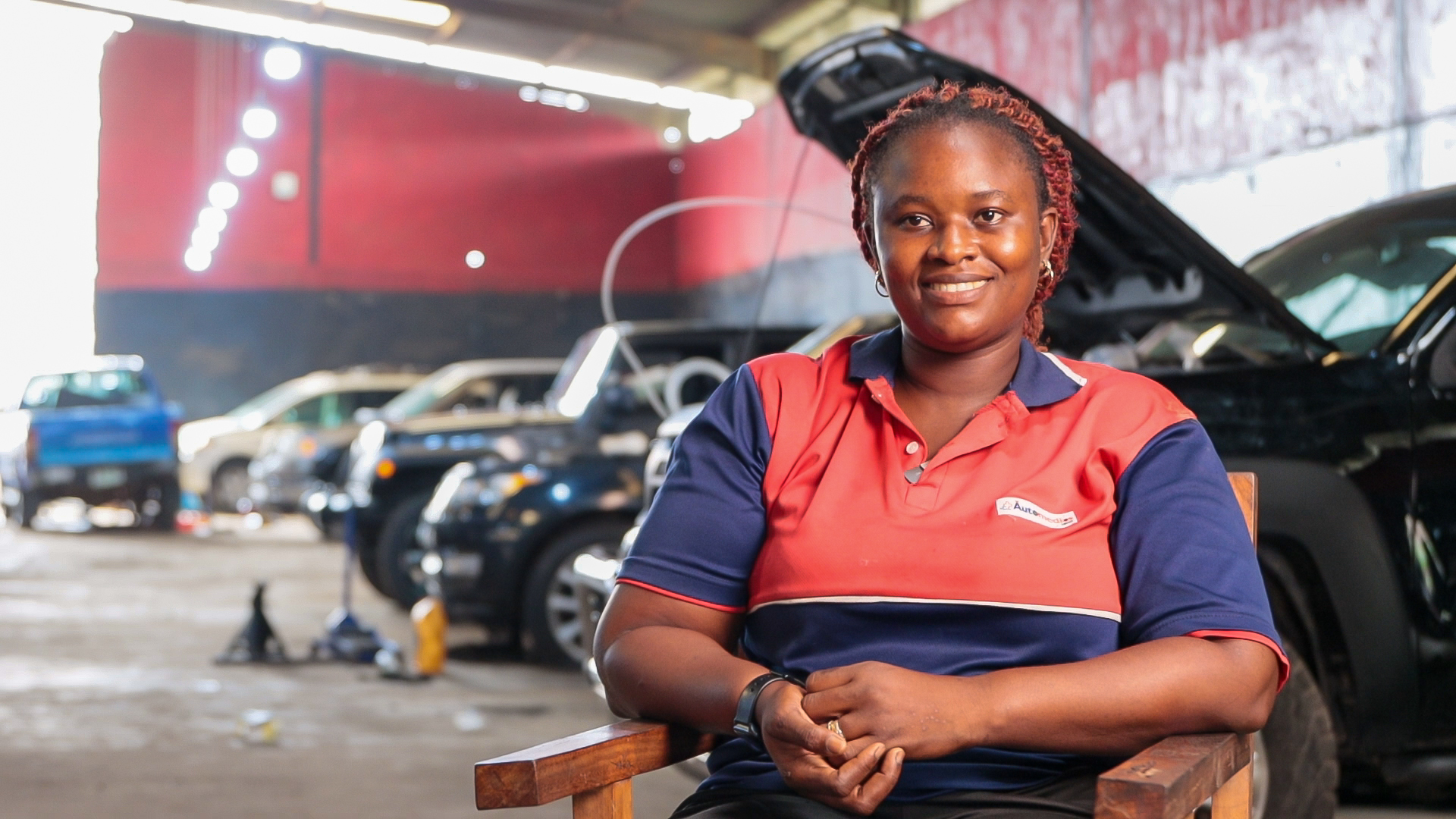
Nkechi Okenwa, a Lagos‑based electrical engineer, founded [Energy Excell Systems and Solutions Limited](https://energyexcell.com.ng) and the [Women in Energy and Economic Sustainability Initiative (WEESI)](https://weesi.org.ng) to push renewable‑energy adoption and bring more women into the sector, a mission she has pursued since graduating in 2013.
**Key facts**
- She chose electrical electronics engineering despite seeing few female peers; in her first lecture hall of 220 students, only 12 were women (about five percent).
- Energy Excell, established in 2013, supplies solar‑powered appliances such as rice mills, cassava graters and grinders to households, small businesses and farms.
- WEESI was launched in 2020 and runs STEM essay contests, mentorship schemes and scholarships for girls aged 12‑26, while also training rural women and IDPs in photovoltaic installation and clean‑cooking techniques.
- Okenwa admits, “My fears were, are you sure that I’m going to do it right? Are you sure people are going to listen to me because I’m a woman?”
- The International Energy Agency reports that nearly 600 million Africans still lack electricity, underscoring the continent’s urgent need for solar and mini‑grid solutions.
What sparked Okenwa’s interest in engineering?
Growing up in Nigeria, Okenwa was fascinated by how a single switch could transform a dark room into a lit space. The prospect of electricity enabling schools, markets and homes to function left a lasting impression, prompting her to enrol in electrical electronics engineering despite the field’s male‑dominated reputation.
How did gender disparity shape her career path?
When she entered university, the stark gender gap—only 12 women among 220 engineering students—made the imbalance impossible to ignore. The experience planted the seed for a broader mission: to create pathways for women to thrive in energy‑related fields.
What does Energy Excell actually do?
Beyond installing solar panels, Energy Excell focuses on “productive use” energy. The company equips households and micro‑enterprises with solar‑driven equipment that directly improves livelihoods, such as rice mills that replace diesel‑powered alternatives, thereby reducing costs and emissions.
How does WEESI empower women at the grassroots level?
WEESI’s programmes target three groups. For girls and young women (12‑26), it organises STEM essay competitions, mentorship and scholarship opportunities to spark early interest in renewable energy. In rural communities, the initiative provides technical training in solar PV installation, maintenance and clean‑cooking practices. One example highlighted by Okenwa involved teaching women to convert rice husk waste into charcoal briquettes, turning an agricultural by‑product into a marketable fuel.
Who are some beneficiaries of the initiative?
Anita Manuel, an entrepreneur and contractor for an oil‑and‑gas firm, joined WEESI at its launch. She says the programme aligned with her values and helped her acquire hands‑on skills in solar panel installation, energy auditing and troubleshooting. A breakthrough moment for Manuel was successfully powering a building’s freezer with a solar system she installed, proving the practical impact of her new knowledge.
What challenges remain for Nigeria’s renewable‑energy sector?
Despite progress, high installation costs, policy inconsistencies and low‑quality work by untrained technicians hinder wider adoption. According to the [International Energy Agency](https://www.iea.org), Africa’s electricity access gap remains the largest globally, demanding rapid investment in mini‑grids, solar systems and decentralized solutions, especially in underserved rural areas.
What is the outlook for renewable energy in Nigeria?
Electrical engineer Ale Oluwafeyisayo Joy observes that Nigeria lags behind Kenya and South Africa in renewable‑energy uptake, citing weaker policy frameworks and financing pathways. Nevertheless, she believes solar power will become a competitive market force in the coming years, shifting from an option to a necessity.
For Okenwa, the ultimate goal is not merely market growth but a cultural shift: ensuring that future generations of girls entering engineering classrooms feel welcomed, and that women no longer need to prove their worth before being heard. Each morning, as she watches Lagos awaken from her office window, she continues building a future powered by both energy and inclusion.