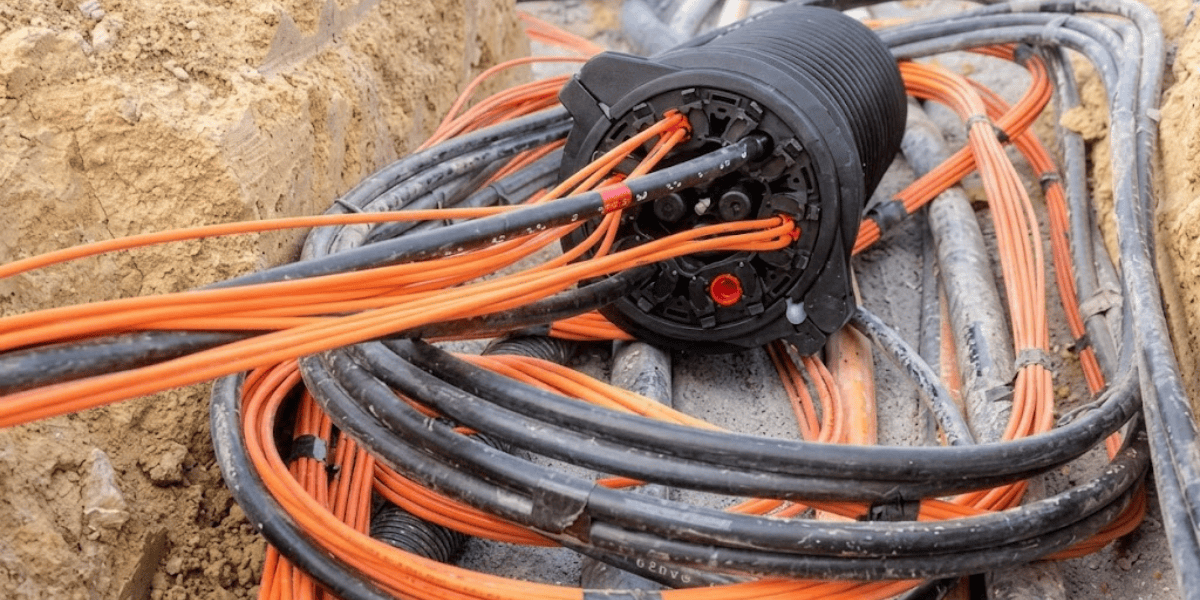
In the first three quarters of 2026, Nigerian telecom operators logged a total of 44,678 fibre‑cut incidents, severely affecting voice and data services for millions of users across the country. The disruptions prompted the House of Representatives to summon the chief executives of MTN, Airtel and Globacom for a hearing on October 28 to address the declining quality of experience.
Key figures from the latest [Nigerian Communications Commission](https://ncc.gov.ng) Quality of Experience (QoE) report show that degradation accounted for 17,462 cases, vandalism for 9,283 cases and cable‑connection problems for 9,008 cases. The report also recorded 23,954 instances of access denial, with insecurity‑related blockades responsible for 73% of those incidents. Additionally, 3,732 pieces of telecom equipment were reported stolen during the same period.
What caused the surge in fibre‑cut incidents?
The NCC attributes the majority of cuts to three primary factors: degradation of existing infrastructure, deliberate vandalism, and faulty cable connections. Secondary contributors include accidental damage during road works, force‑majeure events, routine maintenance, deployment challenges, surface‑cable damage and attacks by rodents or termites.
Which months saw the highest number of cuts?
Quarter 2 2026 experienced the sharpest rise, with 24,669 cuts—more than half of the 11,419 incidents recorded in Q1 and the 8,590 reported in Q3. On a monthly basis, June led with 10,251 cuts, followed by March (9,349) and May (8,236).
How do access denials affect subscribers?
Access denials occur when local communities, landowners, municipal agents, touts or labour unions prevent engineers from reaching base stations or mast sites. Such blockades delay repairs, refuelling and routine maintenance, directly translating into dropped calls, sluggish internet speeds and broader service outages for users.
What thefts were reported?
The QoE data indicates that 3,732 pieces of telecom equipment vanished between January and September 2026. The theft breakdown includes 397 batteries, 110 generators, 1,270 cable thefts and 1,693 incidents of diesel theft.
Why are the CEOs being called before the House?
Following a wave of complaints about persistent network failures, the House Ad Hoc Committee—chaired by Olumide Osoba of Ogun State—has ordered the [Nigerian Communications Commission](https://ncc.gov.ng) to ensure full compliance from operators and to submit all relevant documentation. The CEOs of [MTN](https://www.mtn.com.ng), Airtel and Globacom are expected to explain the recent dip in service quality and outline remedial actions.
What recent outage sparked public outcry?
In early October, MTN Nigeria suffered a major outage that crippled voice and internet services, including its FibreX network, across Lagos, Oyo, Rivers, Delta and the Federal Capital Territory. The incident led thousands of subscribers to demand compensation for lost data and disrupted digital activities.
Overall, the combination of fibre cuts, access denials and equipment theft continues to undermine Nigeria’s digital infrastructure, despite the federal government’s classification of telecom facilities as Critical National Information Infrastructure (CNII) under executive orders.