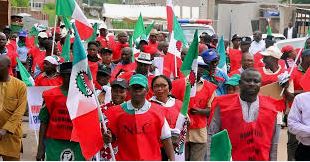
The Nigeria Labour Congress has stated that inflation, purchasing power, currency value, housing expenses, and transportation costs must form the core foundation of upcoming national minimum wage discussions ahead of the April 2027 implementation timeline. Speaking at the 2026 Labour Writers Association of Nigeria annual conference in Lagos, NLC President Joe Ajaero stressed that future wage adjustments must be anchored directly on prevailing market realities rather than arbitrary figures susceptible to rapid inflationary erosion.
What economic factors will shape the next wage talks?
Ajaero explained that determining an acceptable salary floor requires analyzing the real cost of living, including essential commodity prices like garri, house rent, and commuting fares. He cautioned against demanding arbitrary monetary amounts without linking them to purchasing power, noting that short-term government palliatives like the six-month transportation intervention are insufficient without sustainable long-term economic policies. The labour leader asserted that negotiations must build upon existing wage structures rather than starting from scratch.
How did the NLC address media workers' welfare?
Shifting focus to the media industry, the labour leadership challenged the Nigeria Union of Journalists to step up its collective bargaining efforts with media proprietors. Ajaero highlighted that journalists face severe job insecurity, poor salaries, weak pension arrangements, and a lack of social protection. He urged the union to actively negotiate improved remuneration and partner with mortgage institutions to revive housing initiatives for media practitioners, warning that inadequate pay during active service ultimately results in vulnerable retirements.