
Oil prices experienced a steep decline on Friday, April 17, following a statement from Iran's foreign minister indicating that the Strait of Hormuz would be entirely open for commercial navigation during the current ceasefire period.
Brent crude, the international benchmark, saw its value decrease by 9.5%, settling just below $90 per barrel. Simultaneously, WTI, the U.S. benchmark, fell by 9.6% to $82.60 per barrel.
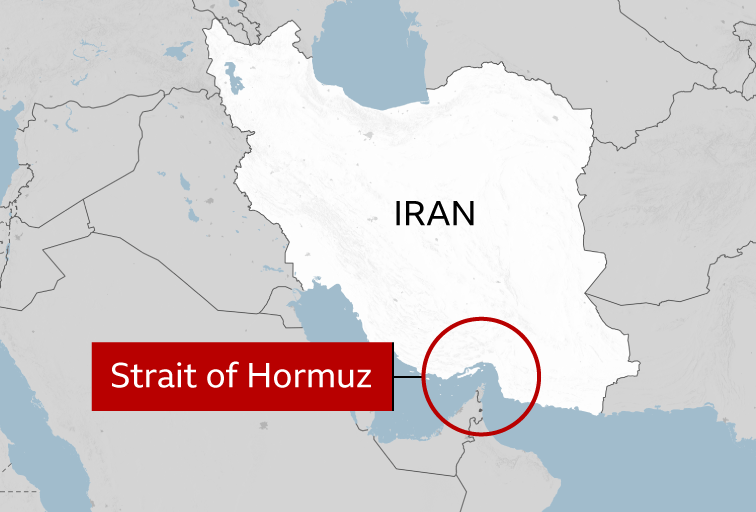
Seyed Abbas Araghchi, Iran's foreign minister, shared on X (formerly Twitter) that "In line with the ceasefire in Lebanon, the passage for all commercial vessels through Strait of Hormuz is declared completely open for the remaining period of ceasefire." He further noted this would be on the coordinated route previously announced by Iran's Ports and Maritime Organisation.
This development is linked to President Donald Trump's announcement on Thursday that Israel and Lebanon had reached an agreement for a 10-day ceasefire.
The confirmation of the opening of the critical global shipping lane, even for a limited time, has brought immediate relief to energy markets that had been on high alert due to the regional conflict.
In reaction to the news, U.S. stock futures also saw a notable surge, with the Dow Jones Industrial Average climbing 520 points (1.1%), the S&P; 500 index gaining 0.8%, and the Nasdaq 100 index increasing by 0.9%.
Despite the substantial single-day price drop, market analysts observe that both Brent and U.S. crude benchmarks are still trading above their pre- conflict price levels. Investors are maintaining close attention to the evolving situation, given the delicate nature of the ceasefire and anticipated further negotiations between Washington and Tehran in the upcoming week.
Comments (0)
You must be logged in to comment.
Be the first to comment on this article!