
On March 9, oil prices experienced a significant increase, soaring close to $120 per barrel after Iran declared a new supreme leader. However, prices later adjusted to around $106.23 per barrel.
The designation of Mojtaba Khamenei indicated a continued hardline rule in Tehran, amplifying fears of sustained disruptions to oil transport through the Strait of Hormuz, which disrupted global financial markets.
Brent crude, a standard in global oil pricing, reached a peak of $119.50 per barrel before falling back to $106.23. In the U.S., West Texas Intermediate also saw a spike to $119.48, which then declined to $101.25.
As tensions escalated in the region, Bahrain accused Iran of assaulting a desalination plant that is crucial for water supply, and Israeli forces allegedly targeted oil facilities in Tehran, causing destruction.
The ongoing conflict, which is now into its second week, has increasingly affected areas vital for oil and gas operations in the Persian Gulf, raising significant concerns regarding the stability of supply routes and contributing to heightened market volatility.
Following discussions among G7 nations regarding the potential release of strategic oil reserves aimed at stabilizing global supply, prices eased slightly, although these discussions remain unconfirmed officially.
Approximately 15 million barrels of crude oil, representing about 20 percent of worldwide supply, typically transit through the Strait of Hormuz daily. This narrow passage, bordered by Iran, is a crucial export corridor for oil and gas from several Gulf nations including Saudi Arabia and Kuwait.
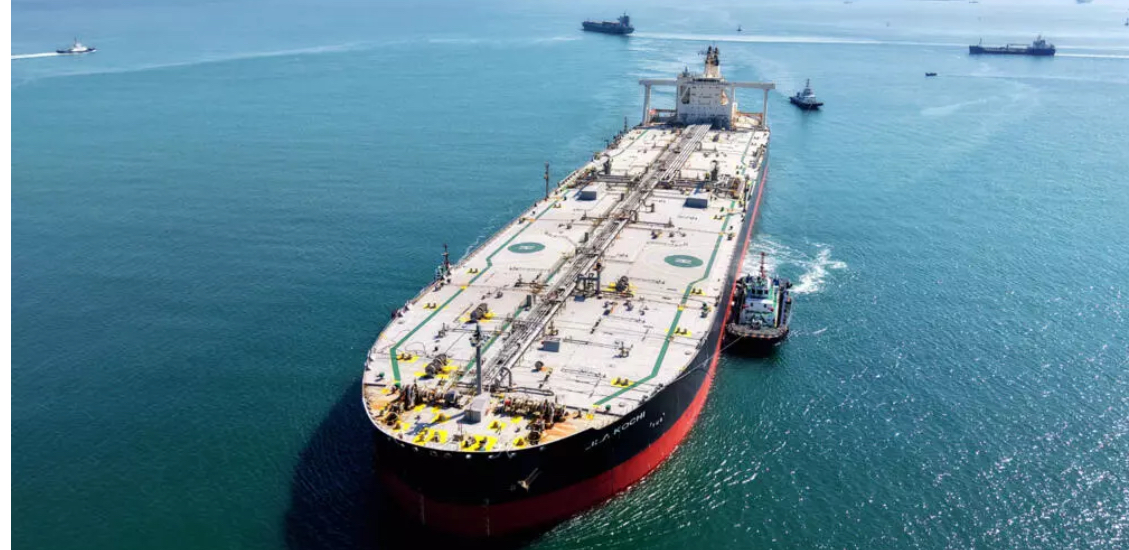
However, the threat of missile and drone strikes has compelled numerous tankers to pause their operations in this route.
Several oil-producing Gulf nations, such as Iraq, Kuwait, and the UAE, have reportedly cut production as storage capacities are nearing their limits due to constrained export opportunities.
Amid this, attacks on energy infrastructure linked to Iran, Israel, and the U.S. since the war began have raised further apprehensions regarding potential supply disruptions.
President Donald Trump remarked over the weekend that he has no interest in negotiating with Iran, implying that peace may only come about when Iran ceases to operate a military or governing structure.
Expectations for de-escalation diminished further with the formal announcement of Mojtaba Khamenei as the new supreme leader, taking over from his father, Ali Khamenei.
The rising costs of oil and natural gas are already driving up fuel prices globally, applying additional strain on economies that are significantly dependent on energy imports, particularly in Asia.
It is worth noting that the last time oil prices approached figures comparable to these was in 2022 against the backdrop of Russia's invasion of Ukraine.
Higher energy prices usually contribute to inflation, putting pressure on household budgets and undermining consumer spending, which drives economic growth in multiple countries.
Global stock markets reacted sharply to these events, with Japan’s Nikkei 225 index dropping by 5.2 percent on Monday and U.S. futures declining by over 1.5 percent.
On Friday, U.S. stock indices experienced declines, with the S&P; 500 down by 1.3 percent and the Dow Jones Industrial Average plunging nearly 945 points before recovering to close approximately 450 points lower. The Nasdaq Composite also fell by 1.6 percent.
In the United States, the average price of regular gasoline surged to around $3.45 per gallon, an increase of about 47 cents from the prior week, as per AAA. Diesel prices escalated more significantly, reaching approximately $4.60 per gallon.
U.S. Energy Secretary Chris Wright stated in a recent interview that it is possible for fuel prices to drop below $3 per gallon again soon.
Analysts have cautioned that if oil prices remain elevated above $100 per barrel for an extended period, it may pose serious challenges for the global economy.
Iranian officials reported that Israeli assaults on oil storage facilities and a fuel transfer site in Tehran early Sunday resulted in four fatalities. The Israeli military claimed the locations were being utilized to procure fuel for missile attacks.
Iran's parliamentary speaker, Mohammad Bagher Qalibaf, warned that the ongoing conflict might have extensive implications for the global oil sector.
Currently, Iran exports around 1.6 million barrels of oil per day, with a significant portion directed to China. Any disruption in these shipments could lead China to seek other suppliers, which may further elevate global energy prices.
Natural gas prices have similarly risen during the conflict, although not as dramatically as oil, recently measuring about $3.33 per 1,000 cubic feet, marking a 4.6 percent increase from the prior trading session after an approximate 11 percent rise the previous week.
Comments (0)
You must be logged in to comment.
Be the first to comment on this article!