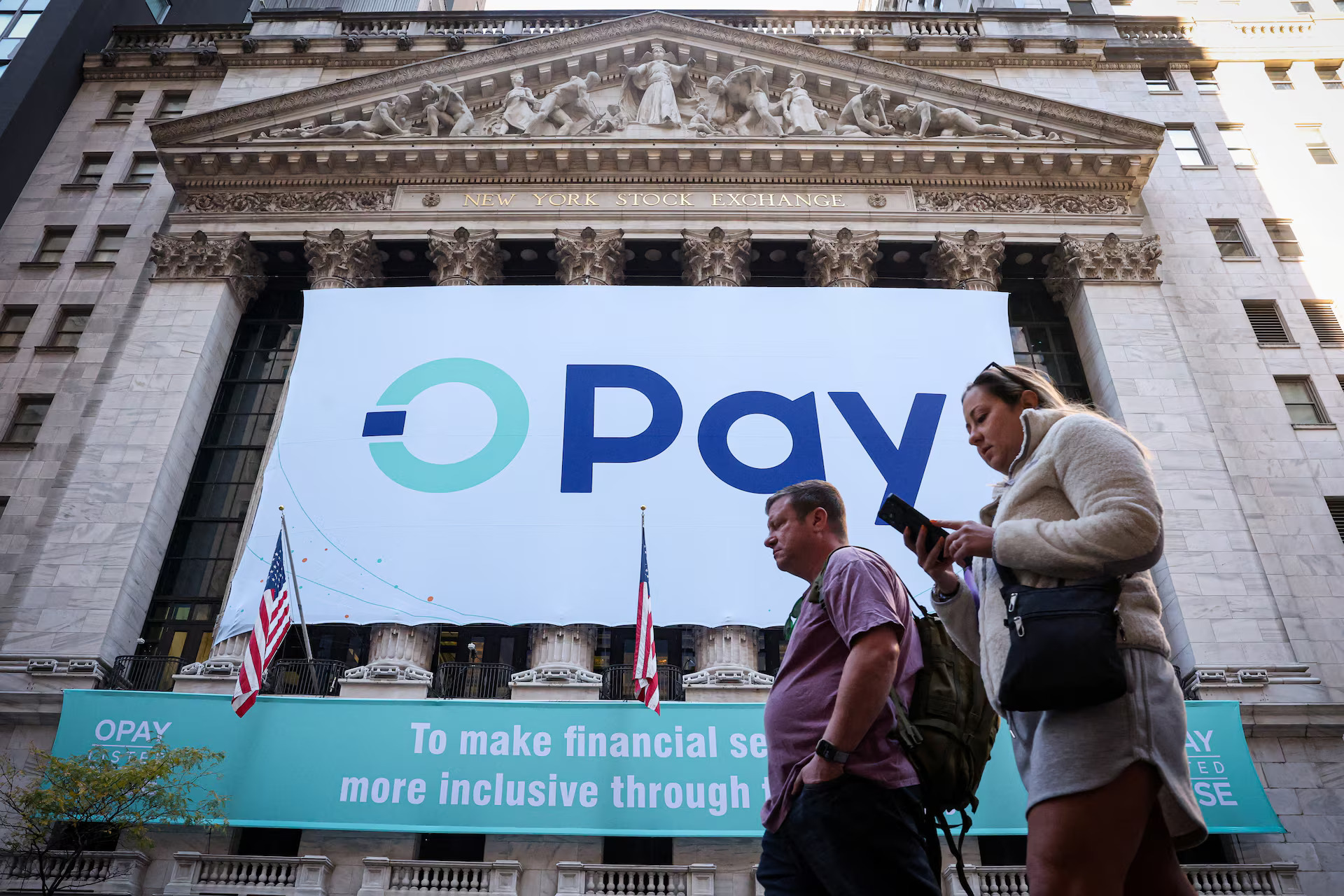
Nigerian financial technology leader OPay abruptly canceled its initial public offering on the New York Stock Exchange after an undisclosed foreign regulatory inquiry surfaced just hours before trading was scheduled to commence. The company priced its shares at $19 each on Thursday, securing approximately $304 million at a valuation near $4 billion before halting the process entirely by Saturday following consultations with underwriters.
What were the key milestones of the aborted listing timeline?
The rollout began when OPay filed its F-1 document with the [U.S. Securities and Exchange Commission](https://www.investor.gov/introduction- investing/investing-basics/glossary/sec-securities-and-exchange-commission) on October 9. By October 23, the price range was established between $19 and $21, supported by nine institutional investors expressing interest in acquiring up to $270 million worth of shares. The NYSE certified the stock approval under the ticker symbol OPAY on October 27, and the underwriting agreement was finalized two days later with 16 million shares priced at the bottom of the range.
Trading was initially slated to begin on October 30, but the NYSE halted proceedings around 3:30 p.m. New York time without executing a single trade, as early indicators pointed to an opening below the IPO price between $16.25 and $16.75. By October 31, the fintech enterprise officially confirmed it had mutually agreed with its underwriting syndicate to scrap the offering.
Why was the public offering halted?
OPay attributed the cancellation to an ongoing regulatory inquiry originating from an unnamed foreign jurisdiction. The company stated that the unspecified regulatory matter is immaterial to its primary commercial activities, expressing confidence that the issue will be resolved swiftly. Executives insisted that the decision to abort the listing does not reflect any underlying financial vulnerability or compliance issues.
Initial communications reported by local media indicated a temporary trading pause while the firm sought a regulatory clearance note related to the American listing. Subsequent announcements, however, confirmed the complete withdrawal of the offering without identifying the specific regulatory body involved.
The banking syndicate managing the transaction included Citigroup, Deutsche Bank, Standard Bank, and CICC. Additionally, Standard Bank’s Stanbic Africa Holdings had committed to acquiring up to $200 million in fresh equity via a private placement tied to the IPO's success, though the status of that agreement remains unaddressed alongside plans for a secondary listing on the Nigerian Exchange approved earlier in the month.
Are customer funds and services secure?
OPay assured its user base that consumer accounts, services, and regulatory compliance across Nigeria and other operational territories remain entirely secure and unaffected. This stability is critical given that Nigeria generated 89.5 percent of the company's revenue during the first half of 2026. The platform currently serves approximately 50 million monthly active users, having recorded a gross transaction volume of $358 billion in 2025, a substantial increase from the $166.2 billion reported the previous year.