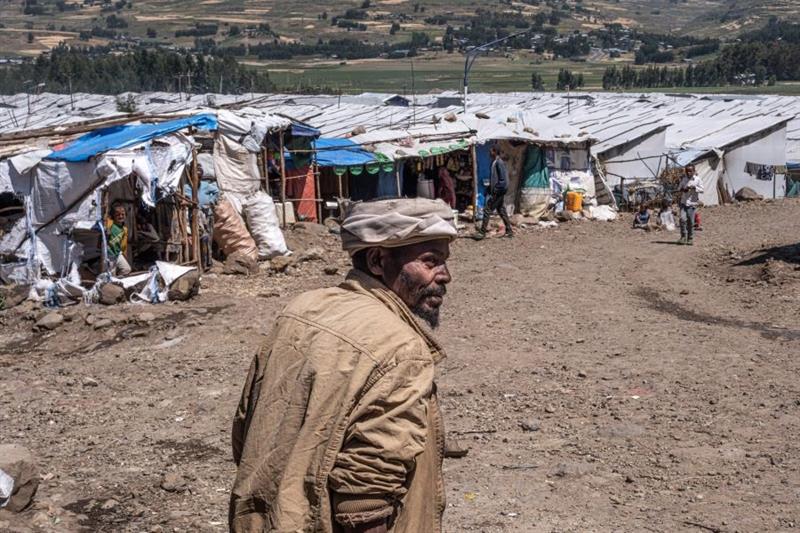
At least 43 people were killed and 18 injured when an unidentified armed group stormed Orthodox Christian churches and nearby villages in the Shirka district of [Oromia](https://en.wikipedia.org/wiki/Oromia_Region), central [Ethiopia](https://en.wikipedia.org/wiki/Ethiopia), on Saturday, October 24. The assault targeted worship places and residential areas, and the fighting continued into the afternoon and evening.
**Key facts**
- The attack occurred in Shirka district, roughly 270 kilometres south of Addis Ababa.
- Casualty figures reported by local residents and the ACLED conflict monitor total 43 dead and 18 wounded.
- A deacon from one of the struck churches claimed the death toll could be as high as 46.
- Survivors said the assailants also took several relatives hostage.
- The violence sparked retaliatory clashes with local militia groups.
**What motivated the assault?**
According to ACLED, the incident appears to be religiously driven, specifically aimed at the Orthodox Christian community. The region’s diverse population includes Muslim, Protestant and Orthodox believers, making the targeting of one group particularly alarming.
**Who were the victims?**
One resident from Chole ward recounted, "My sister and uncle were killed, and several of my relatives were taken hostage in Chole ward of Shirka district." Another local deacon expressed deep shock, urging the federal government to intervene and restore security.
**How did authorities respond?**
The attacks triggered immediate confrontations between the unidentified gunmen and local militia forces. While no official statement from the Ethiopian government had been released at the time of reporting, community leaders called for swift security deployment to prevent further bloodshed.
**What is the broader context?**
The massacre follows recent deadly clashes between the armies of Ethiopia’s Somali and Oromia regions in the south, highlighting a pattern of escalating inter‑regional violence. Analysts note that religious and ethnic tensions have been simmering in the country, and incidents like this could exacerbate instability.
The situation remains fluid, with humanitarian agencies monitoring the aftermath and urging both national and regional authorities to prioritize protection of vulnerable communities.