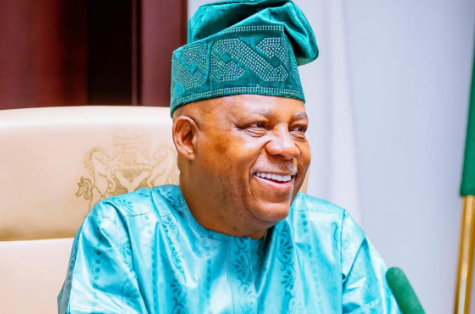
Vice President Kashim Shettima told a gathering of Cross River supporters at the U.J. Esuene Stadium in Calabar on 26 November 2026 that the federal government will see the Bakassi Deep Seaport and the Lagos‑Calabar Coastal Highway completed, and he appealed for the re‑election of President Bola Tinubu and Governor Bassey Otu in the 2027 polls.
Key promises made at the rally
- The Vice President affirmed that the Lagos‑Calabar Coastal Highway will connect coastal towns, ease the flow of goods and people, stimulate tourism and draw investment to the region.
- He said the highway will generate thousands of direct and indirect jobs and open new economic opportunities for communities along its route.
- Regarding the Bakassi Deep Seaport, Shettima noted that the project has secured federal approval and will, once finished, serve as an international maritime gateway, attracting shipping lines and creating employment.
- He highlighted a student financing scheme aimed at expanding access to higher education, reducing the financial burden on families and building human capital.
- A direct quote from Shettima captured his sentiment: “Over the past three years, you have shown us support, and you have resisted the lies and propaganda intended to misrepresent us.”
What does the coastal highway entail?
The Lagos‑Calabar Coastal Highway, a major road‑building initiative, is intended to link the Atlantic coastline from Lagos through to Calabar. By improving transport infrastructure, the government expects to cut travel times, lower logistics costs and boost regional trade. The project is also projected to create employment for thousands of workers during construction and operation.
Why is the Bakassi Deep Seaport significant?
The Bakassi Deep Seaport is envisioned as a deep‑water port capable of handling large cargo vessels. Federal endorsement signals confidence that the facility will become a hub for international shipping, enhancing Nigeria’s maritime economy and providing a gateway for exports and imports in the South‑South region.
How does the student financing initiative fit into the agenda?
Shettima explained that the government’s financing programme for students is designed to alleviate the cost of tertiary education, ensuring that financial constraints do not prevent capable youths from pursuing university studies. This aligns with the broader goal of developing human capital to support the nation’s economic growth.
In closing, the Vice President urged Cross River voters to renew the mandates of President Tinubu, Governor Otu and other APC candidates for the National Assembly and State House of Assembly, emphasizing accountability and stewardship as the basis for another term of governance.