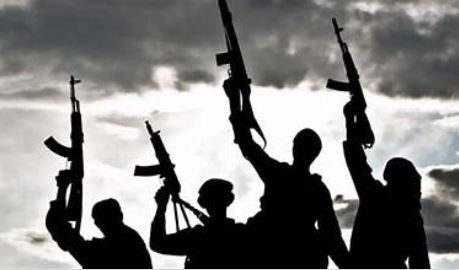
A 14-year-old girl named Amina Ya’u sustained gunshot injuries after suspected armed herders opened fire on agricultural workers in Majelisa village, a settlement situated along the border shared by Nasarawa State and Plateau State.
The violent encounter transpired at approximately 6:30 a.m. on November 5, following sudden bursts of gunfire that echoed through the rural community.
Defense insiders informed security analyst Zagazola Makama that military personnel attached to Sector 9 of Operation Enduring Peace (OPEP), stationed in Jenta, quickly mobilized to the location after receiving emergency distress alerts.
Upon arrival, the military team discovered the wounded teenager, whereas the suspected assailants had already escaped from the vicinity.
Initial findings suggest that a faction of armed herders initiated the shooting directed at local farmers following a dispute concerning cattle grazing rights.
Military operatives promptly evacuated the injured adolescent to the General Hospital in Lafia, the capital of Nasarawa State, where she received urgent medical care.
Authorities revealed that active discussions were underway with Fulani community representatives to aid security forces in tracking down the fleeing perpetrators.
Additionally, security detachments have stepped up surveillance operations and bolstered their footprint across the area to deter retaliatory actions and avoid any wider conflict.
This occurrence compounds a persistent pattern of security challenges that have affected Nigeria’s North-Central zone over the past few years.
For an extended period, hostilities between nomadic livestock herders and agrarian settlements in this geographical belt have triggered fatalities, destruction of agricultural yields, and cattle losses, driven by ongoing disagreements over land resources and grazing corridors.