
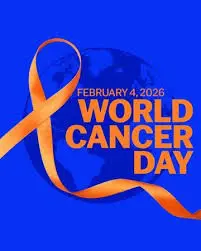
Nigeria marked World Cancer Day 2026 on February 4, joining global efforts to raise awareness about cancer. The theme for this year's observance, 'United by Unique', emphasizes a patient-centered strategy towards cancer care, focusing on understanding the needs and experiences of patients, families, and communities. This approach advocates for their central role in health systems, ensuring that treatment is sensitive to their preferences and experiences.
However, for many cancer patients in Nigeria, the battle is not only against the disease but also against the substantial financial burden that comes with sustained treatment.
A recent report from this publication revealed that numerous cancer patients are compelled to forgo essential conventional treatments in favor of cheaper yet risky and unreliable herbal remedies.
This is an alarming situation for any serious nation. Cancer remains a significant public health issue in Nigeria, with over 100,000 new cases and around 70,000 deaths recorded annually, necessitating a more comprehensive national response. It is unthinkable that patients should suffer without adequate governmental support.
The investigation pointed out that chemotherapy costs are exorbitantly high, often leading families into financial ruin. Costs for single doses can fluctuate between N150,000 and N500,000, while total radiotherapy courses can reach N1,000,000. The total expense for comprehensive breast cancer treatment can amount to N20 million, which is far beyond the financial means of the average Nigerian household.
This crisis is further worsened by diagnoses occurring at advanced stages and a critical shortage of functional medical facilities. With a population exceeding 200 million, Nigeria has only around 15 operational radiotherapy machines, against a required minimum of 120. Consequently, many patients face waiting lists of six weeks or more, leading to 10 deaths per hour—an estimated 81,000 lives lost annually. The five-year survival rate for breast cancer in Nigeria is only 25.6%, in stark contrast to over 80% in developed nations.
Disturbingly, approximately 83 to 87 percent of cancer patients are diagnosed only in the late stages of the disease, when treatment options are severely diminished. Misunderstandings and societal stigma contribute to delays in seeking medical care until the illness becomes terminal.
It is crucial for governments at all tiers to acknowledge that heightened efforts are necessary to tackle these health challenges, which increasingly result in death sentences for many patients. Health sector stakeholders report that over 40 percent of cancer-related fatalities are preventable, often linked to modifiable lifestyle choices such as tobacco use, alcohol consumption, unhealthy diets, and lack of physical activity. Furthermore, at least one-third of cancer deaths could be averted through regular screening, early detection, and prompt treatment.
To address this, it is essential for the federal and state authorities, alongside civil society organizations (CSOs) and the private sector, to initiate more awareness campaigns aimed at reducing risk factors associated with cancer, enhancing prevention, and improving diagnosis and treatment. Increased awareness will help alleviate fears, foster understanding, dispel myths, and encourage changes in behavior.
Daily Trust applauds the recent unveiling of the National Cancer Control Plan (2026–2030) by the federal government, which prioritizes prevention, early identification, and sustainable financing. The cost-sharing initiative with the National Health Insurance Authority (NHIA), which offers up to N400,000 to low-income patients for radiotherapy, deserves special commendation.
Nonetheless, the government must ensure effective execution of the $154.1 million agreement between the Nigeria Sovereign Investment Authority (NSIA) and the International Finance Corporation (IFC) aimed at establishing 15 new diagnostic and oncology centers throughout the nation by the conclusion of 2026. These efforts should not mirror past announcements, such as the 2021 National Chemotherapy Safety (ChemoSafe) Policy and the 2022 National Hospice and Palliative Care Policy, which sought to address palliative care needs of cancer patients but achieved little.
The commitment of the National Institute for Cancer Research and Treatment (NICRAT) to train skilled researchers for local clinical trials by 2027, and to partner with relevant agencies for developing tailored cancer medications for Nigeria, must be genuinely pursued.
Nigerians also have a role to play by being vigilant and alert for cancer signs and symptoms, including unusual lumps, breathing difficulties, changes in bowel habits, unexpected bleeding, unexplained weight loss, fatigue, difficulty urinating, unusual changes in breasts, and loss of appetite. Prompt medical checks are crucial.
Moreover, private enterprises should engage in acquiring cancer treatment equipment for hospitals as part of their corporate social responsibility. People would appreciate such donations and collaborations.
Cancer is a formidable illness that demands a collective response to combat effectively.
Comments (0)
You must be logged in to comment.
Be the first to comment on this article!