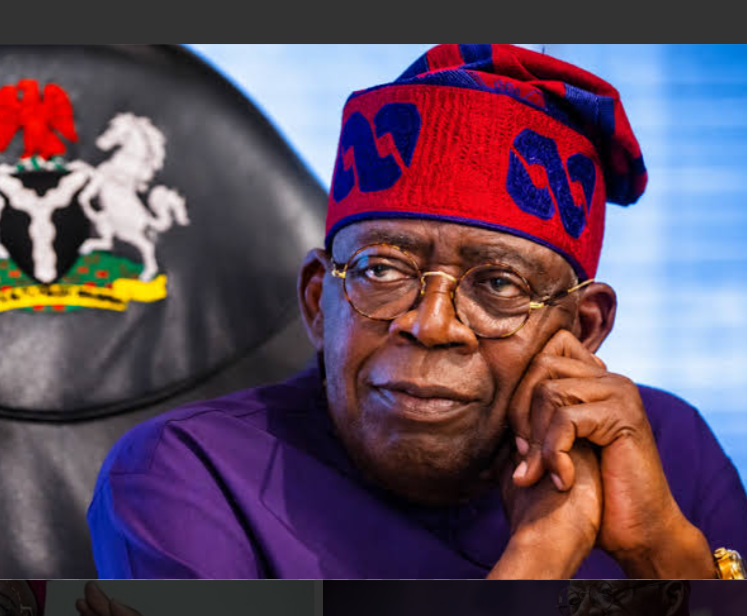
President [Bola Tinubu](https://en.wikipedia.org/wiki/Bola_Tinubu) says Nigeria’s economy is stabilising, referencing World Bank data that show a 4.2% rise in GDP for the first half of 2026, up from 3.9% a year earlier, while inflation is being pushed higher by fuel and transport costs.
**Key facts**
- The World Bank projects an average growth of 4.4% through 2028 after confirming the first‑half 2026 expansion.
- Inflation, which fell in 2025, is now feeling renewed pressure due to higher petrol and transport prices.
- External reserves and public revenues have improved, according to the same report.
- [World Trade Organization (WTO) Director‑General Dr Ngozi Okonjo‑Iweala](https://www.wto.org/english/thewto_e/dg_e/dg_e.htm) praised Tinubu’s 2025 policies for stabilising the economy, but warned that growth, jobs and safety nets remain the next priorities.
What reforms has the administration implemented?
Tinubu’s government has taken several tough steps: the removal of petrol subsidies, a partial rollback of electricity subsidies, liberalisation of the naira and a series of tax reforms. These measures have eased fiscal pressure, improved foreign‑exchange conditions and boosted revenue available to state and federal governments.
How are Nigerians feeling the impact?
Despite macro‑level improvements, many households are still grappling with soaring petrol and electricity bills, higher food prices and a depreciating naira that makes imports and production inputs costlier. Wage growth has lagged, leaving millions to choose between food, rent, medicines and school fees. This hardship fuels resentment toward the ruling All Progressives Congress (APC) in several communities.
What recent controversies have emerged?
In June 2026, a Federal High Court ruled that the National Assembly’s N110 billion purchase of 465 sport‑utility vehicles and lawmakers’ support allowances breached procurement rules and public trust. Expensive presidential travel and vehicle budgets for senior officials have reinforced the perception that austerity measures target ordinary citizens while elites enjoy lavish spending.
What is the government doing now?
The government introduced a 30‑day petrol‑price relief programme through the [Nigerian National Petroleum Corporation (NNPC)](https://en.wikipedia.org/wiki/Nigerian_National_Petroleum_Corporation), which provides temporary relief but does not address underlying cost pressures. Analysts recommend publishing audited accounts of reform savings, expanding transport support, protecting basic electricity consumers, and prioritising food production, major road networks, health and education.
What must be done for lasting prosperity?
Transparent procurement, curbing non‑essential travel and luxury refurbishments, and ensuring wages keep pace with living costs are essential. States should justify higher revenue collections and safeguard the most vulnerable households. While World Bank figures offer cautious optimism, true prosperity will be measured by affordable meals, decent jobs, reliable power and functional public services, which only Nigerians can ultimately validate.