
US President Donald Trump on Monday, April 6, characterized a proposed 45-day halt to hostilities with Iran as a "significant step," simultaneously reiterating the United States' firm position that Tehran must not possess nuclear weapons.
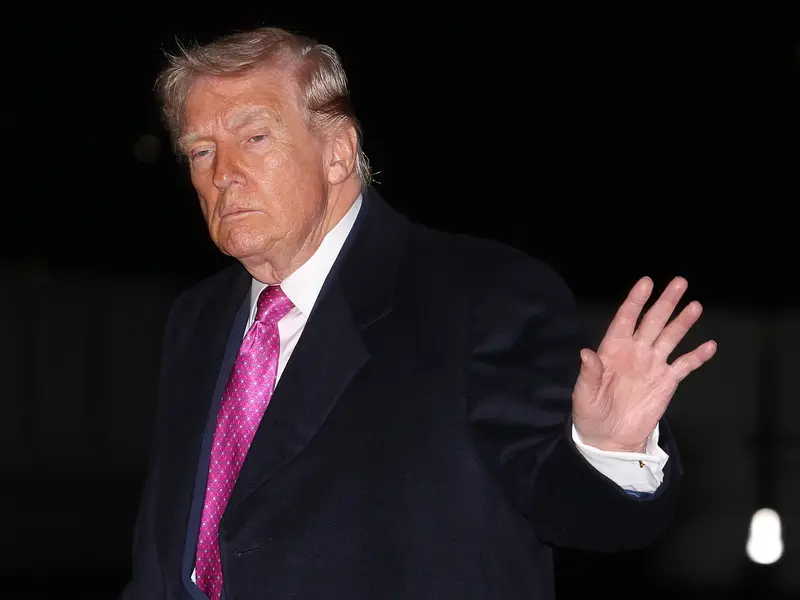
Speaking from the White House, Trump indicated that discussions were underway via intermediaries. However, he emphasized that the proposed truce did not meet the necessary requirements.
According to the Islamic Republic News Agency, Iran officially declined the ceasefire proposal, communicating its stance through Pakistan. Tehran's preferred approach was a lasting cessation of conflict rather than a temporary truce. Esmaeil Baghaei, a spokesperson for the Iranian Foreign Ministry, stated that negotiations could not be conducted under conditions of ultimatums, violence, or threats of further military engagement.
Reports suggest that Iran's counter-response included a ten-point framework. This framework outlined a broader regional de-escalation, assurances for safe maritime passage through the Strait of Hormuz, the lifting of sanctions, and commitments towards post-conflict reconstruction.
The ceasefire initiative was reportedly put forth by mediators from Egypt, Pakistan, and Turkey. A US official characterized it as one among several options being considered, clarifying that President Trump had not given formal approval while military operations were ongoing.
Notwithstanding these diplomatic endeavours, Trump issued a pointed warning, setting a deadline and threatening substantial strikes on Iran's infrastructure should an agreement not be reached. He suggested that critical facilities, such as power stations and bridges, could become targets.
He also defended his earlier strong rhetoric concerning the reopening of the Strait of Hormuz, explaining that it was intended to underscore the urgency of the situation. Trump further claimed that the US had effectively achieved "total regime change" in Iran and proposed that the current leadership in Tehran was less radical than before.
Sources suggest that while extensive preparations for a joint US-Israeli military operation targeting Iran's energy infrastructure are complete, the extension of the deadline is meant to provide a final opportunity for diplomatic resolution.
Comments (0)
You must be logged in to comment.
Be the first to comment on this article!