
The United Arab Emirates has underscored the necessity of guaranteeing free passage through the Strait of Hormuz as a fundamental condition for any resolution to the ongoing tensions between the United States and Iran. The nation's stance is that this critical waterway should not be exploited as a point of leverage in broader geopolitical negotiations.
Anwar Gargash, a senior UAE official, articulated that the security of the Strait of Hormuz, which is a crucial artery for global oil transportation, must be recognized as a matter of worldwide economic importance. He insisted that ensuring uninterrupted maritime traffic through this passage needs to be a central component of any settlement.
Gargash further commented that while the UAE is supportive of efforts to de- escalate the conflict, it is wary of a ceasefire that does not tackle the underlying issues. He cautioned that failing to address Iran's nuclear capabilities, alongside its missile and drone programs, could escalate instability and danger throughout the Middle East.
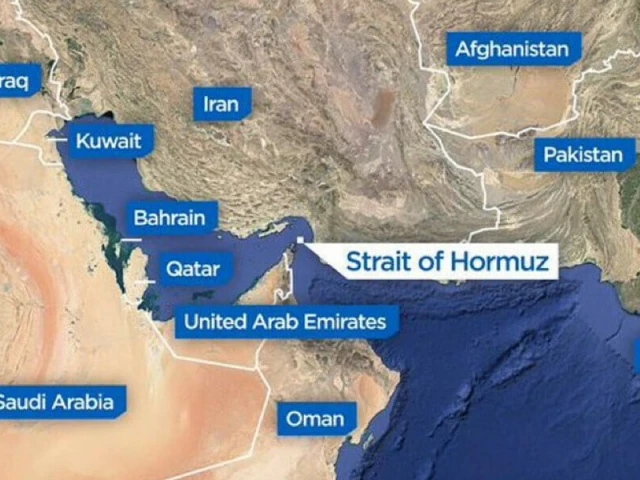
The UAE is also prepared to lend its support to international initiatives, particularly those spearheaded by the United States, aimed at safeguarding shipping lanes within the Strait should the situation necessitate intervention.
This waterway is responsible for the transit of approximately one-fifth of the world's daily oil and liquefied natural gas shipments. Recent hostile actions have led to disruptions in traffic, exacerbating global concerns over energy supplies.
The conflict escalated following strikes by the United States and Israel on Iran, which occurred after a collapse in nuclear discussions. In retaliation, Iran launched missile and drone attacks targeting Israeli interests, US military installations, and vital infrastructure across the Gulf region, including ports and energy facilities.
Gargash revealed that the UAE has experienced some of the most significant attacks among Gulf nations but highlighted the country's resilience in the face of pressure. He affirmed that despite the ongoing crisis, the UAE's economy remains fundamentally robust, though significant effort will be required for recovery.
He warned that Iran's actions could potentially strengthen security partnerships between Gulf states and Washington, leading to an increased US military presence in the region and a greater influence for Israel.
From a regional standpoint, Iran's strategy appears designed to raise the stakes for U.S. allies in the Gulf by targeting their energy infrastructure and shipping routes. The objective may be to compel these countries to advocate for an end to military operations.
Despite previous diplomatic efforts by Gulf nations to maintain equilibrium and avoid direct confrontation with Iran, the situation has seen a considerable escalation. Gargash pointed out that while the UAE does not seek conflict, building trust with the current Iranian leadership remains a formidable challenge.
In conclusion, he emphasized that the ongoing crisis underscores the critical need for strategies that ensure long-term stability. He cautioned that unresolved tensions carry the risk of further destabilizing the region and jeopardizing global energy security.
Comments (0)
You must be logged in to comment.
Be the first to comment on this article!