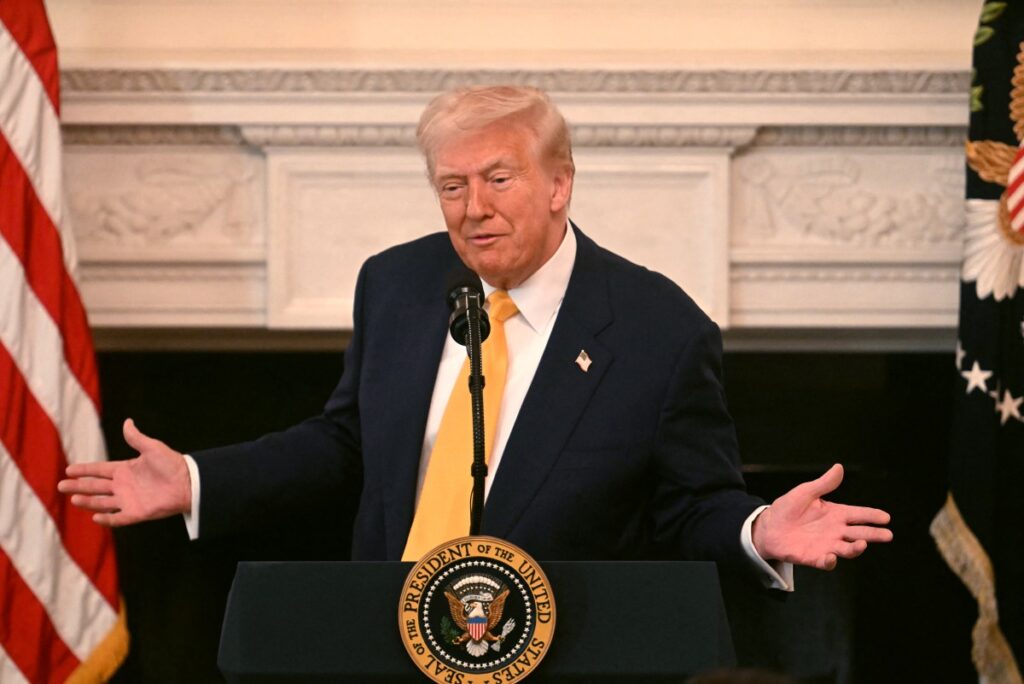
The administration of the United States has revealed intentions to remove South Africa and Rwanda from its premier duty-free commercial initiative for the African continent, with the policy set to take effect on January 1, 2027. US Trade Representative Jamieson Greer stated on Monday that President Donald Trump plans to cut off both nations from the African Growth and Opportunity Act (AGOA) preferential trade framework by the beginning of 2027.
What led to the planned removal from AGOA?
In an official release, Greer explained that President Trump determined that the administrations in Pretoria and Kigali are participating in actions that fail to align with the core requirements for AGOA participation. Greer pointed to obstacles that frustrate American commerce and financial commitments, alongside activities that allegedly endanger US strategic and foreign policy priorities within the area. Originally established in the year 2000, the AGOA initiative has served as the core framework for Washington's commercial diplomacy across the continent, granting tariff-free entry into the American marketplace for a wide variety of goods originating from qualifying nations.
Why is South Africa heavily impacted?
The White House has implemented several actions targeting South Africa, claiming that its leadership engages in mistreatment directed at white South Africans—a claim firmly denied by the government in Pretoria. South Africa stands as the biggest recipient of the American trade initiative, having shipped approximately $1.7 billion in commodities to the United States through AGOA during 2025. Key shipments from South Africa comprise automotive components, fresh citrus, and alcoholic beverages, whereas Rwandan exports largely consist of agricultural coffee and solid minerals.
How have local authorities responded?
Reacting to the announcement late Monday, the South African trade ministry indicated it would back domestic industries impacted by the policy shift while persisting in efforts to foster commercial ties, capital flows, and mutual financial prosperity with the United States. The ministry noted that while the trade scheme holds significant value, it does not define the entire scope of commercial interaction between the two nations.