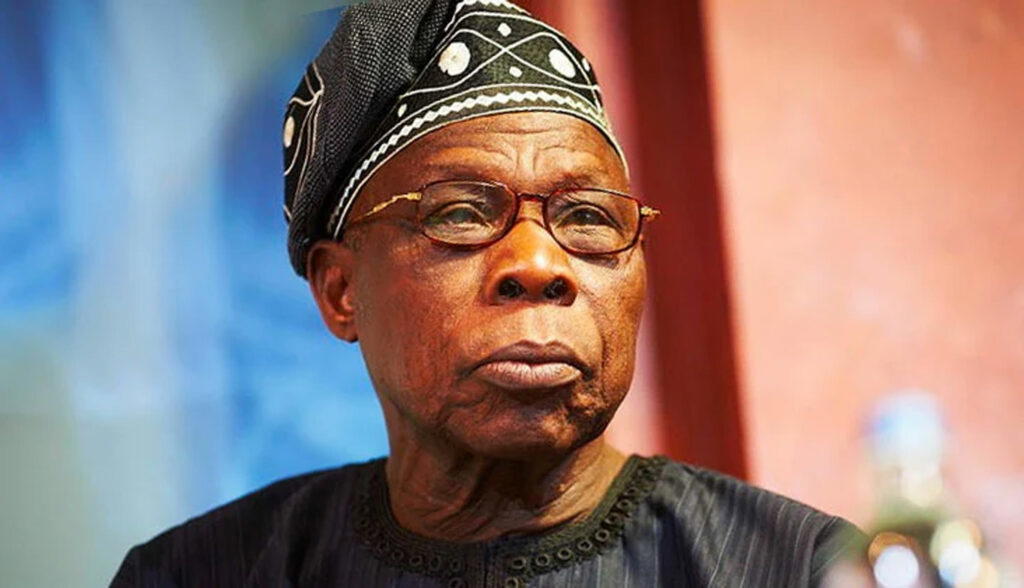
Former Nigerian leader Olusegun Obasanjo has revealed that he turned down a political asylum offer from the United States despite receiving warnings that he faced imminent arrest upon returning to Nigeria during the military administration of the late General Sani Abacha.
Obasanjo shared these historical insights during an interview broadcast by BBC News Pidgin, where he also reflected on his early retirement from the Nigerian Army at age 42 and his subsequent foray into commercial agriculture.
Why did Obasanjo retire early from the military?
Having attained the rank of a four-star general and served as military head of state, Obasanjo noted that he stepped down from active service prematurely at 42 because he had already reached the pinnacle of his military and political career.
"When I was leaving government as military head of state, I was leaving too early. I didn’t join the army to retire at the age of 42. Now I had to retire at the age of 42. At the age of 42, I had become a four-star general. There’s nothing else I can do in the army. I’ve become the military head of state. That’s the highest political office I could rise," he stated.
Following his departure from the military, Obasanjo established a farming enterprise that flourished until it attracted the attention of the Abacha regime.
How did the United States get involved?
According to the former president, the United States Ambassador to Nigeria reached out to him while he was traveling, warning that the government intended to target him and offering asylum. Obasanjo, however, maintained his innocence and refused the protection.
"Abacha had decided that I must be liquidated; otherwise he would not be able to have his way. I didn’t know that. I was travelling and coming back, and the American ambassador in Nigeria called me and said his country had offered me political asylum because they knew that I would be arrested if I returned home," Obasanjo explained. "This was difficult for me. I don’t— I haven’t done anything. What do they want to arrest me for? Um, I don’t want political asylum."
How unfolded the events leading to his imprisonment?
Upon returning to Nigeria, his passport was confiscated. As he arrived at his farm, security personnel warned him that government agents had surrounded the property. A plainclothes police officer later approached him, conveying a supposed summons from an Assistant Inspector-General of Police.
Obasanjo rebuffed the officer's delivery before driving himself to the police station in his personal vehicle, where he was formally notified of his arrest.
He further revealed that former U.S. President Jimmy Carter intervened on his behalf, appealing directly to Abacha. While Carter's intervention initially downgraded his detention from a secret facility to house arrest, he was eventually transferred to prison following a late-night raid while playing squash.