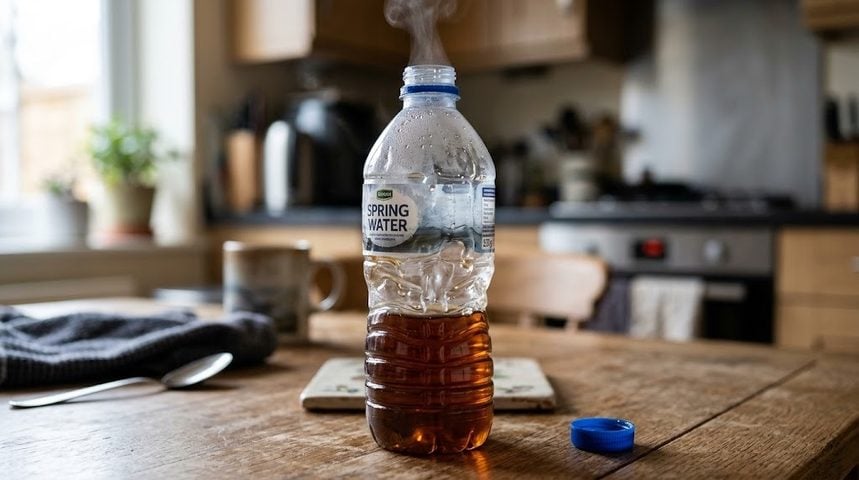
Pouring hot liquids such as warm school water, steaming office tea, or traditional local herbal mixtures like agbo into single-use plastic containers is a widespread yet hazardous daily practice across many households. Disposable plastic bottles are manufactured strictly for single-use applications at cold or room temperatures. Exposing these fragile containers to high heat causes their molecular structure to alter rapidly, silently introducing severe health dangers to consumers.
What happens when hot liquids meet plastic?
When boiling or warm substances fill a disposable plastic bottle, the intense thermal energy breaks down the material's chemical bonds. This degradation forces harmful toxins, such as Bisphenol A (BPA) and various phthalates, to leach directly into the beverage. Even containers marketed as BPA-free can release alternative synthetic chemicals under high temperatures.
According to studies from the National Institute of Environmental Health Sciences (NIEHS), chemicals leaking from heated plastics interfere with the human endocrine system. Repeated ingestion of these substances mimics natural hormones, creating long-term internal imbalances that can trigger reproductive complications, fertility challenges, thyroid dysfunctions, and an elevated risk of certain cancers.
How do microplastics and bacteria affect consumers?
Beyond chemical leaching, thermal stress causes the inner lining of disposable bottles to degrade, shedding microscopic plastic fragments known as microplastics directly into the drink. Ingesting these invisible particles with every sip can cause chronic internal inflammation and compromise immune responses over time. Additionally, thin plastic containers warp and melt easily when exposed to hot fluids, leading to accidental spills and severe skin burns.
The heat also creates microscopic cracks on the bottle's inner walls, forming ideal breeding grounds for harmful bacteria like E. coli. Because these disposable bottles cannot withstand proper sterilization methods, trapped pathogens continue to multiply, resulting in frequent bouts of diarrhea and stomach infections. Experts advise switching to durable glass or stainless steel containers for hot beverages to safeguard personal health.