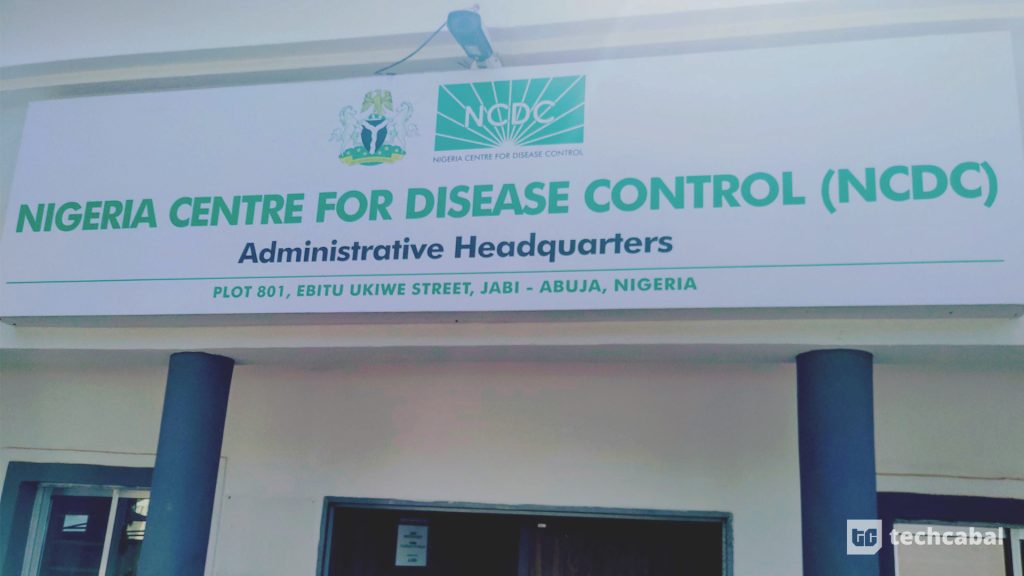
The Nigeria Centre for Disease Control and Prevention announced late yesterday that two individuals suspected of carrying the Ebola Virus Disease in Adamawa State have tested negative following rigorous double- round laboratory evaluations. Officials reiterated that the singular confirmed infection previously identified in the Federal Capital Territory remains the only active case officially recorded across the nation.
The health agency reported that the patients developed clinical signs pointing toward Ebola while in Yola, prompting immediate isolation protocols and prompt deployment of public health containment strategies.
What did the NCDC director-general state?
In an official public bulletin released yesterday, the Director-General of the NCDC, Dr Jide Idris, noted that the Adamawa State Public Health Emergency Operations Centre obtained the alert during the early hours of October 30, 2026. Biological specimens gathered from the patients underwent precise laboratory analysis to determine the pathology behind their sickness.
According to the NCDC leadership, both clinical specimens returned negative results for the virus following two consecutive rounds of evaluation. Idris praised the swift response demonstrated by the Adamawa State Commissioner for Health alongside his medical team, pledging continued federal technical assistance to bolster regional epidemic management frameworks.
Why was there public concern?
This recent health scare emerged amid heightened surveillance nationwide, triggered by an earlier detection of the Bundibugyo strain of Ebola within Abuja, which involved an international traveller journeying from Uganda. The sudden appearance of potential symptoms in Yola initially stirred widespread anxiety regarding a possible geographic transmission, driving both state and federal agencies into swift investigative action.
With the latest laboratory outcomes clearing the two residents, health officials have successfully dismissed any immediate threat of an outbreak in the northeastern state. Dr Idris appealed to citizens to maintain composure and desist from spreading unverified rumors or panic-inducing commentary across digital platforms, encouraging the populace to rely strictly on official communication channels for updates.
How can citizens stay safe?
Emphasizing the necessity of sustained watchfulness, the NCDC chief reminded the public that viral hemorrhagic fevers demand rapid identification, specialized medical management, and rigorous infection control practices. Medical authorities advised anyone displaying symptoms such as high fever, profound fatigue, persistent headaches, muscle aches, vomiting, diarrhea, or unexplained hemorrhaging—especially following recent travel or contact with suspected cases—to promptly visit accredited health facilities.
Patients were strongly cautioned against engaging in self-medication and urged to provide transparent travel and exposure histories to medical personnel. The federal health agency affirmed its dedication to safeguarding public health through proactive surveillance, transparent reporting, and coordinated inter- agency cooperation alongside state authorities.