
Professor Adi Bongo has stated that Nigeria's efforts to secure loans and liquidate state assets might encounter significant obstacles due to inadequate institutional oversight.
In a recent interview with ARISE NEWS, Professor Bongo highlighted that while borrowing and asset liquidation are usually valid methods for financing government expenditure, their effectiveness hinges on robust legal systems and effective supervision. He raised concerns about the current lack of transparency, implementation efficacy, and the overall effectiveness of fiscal reforms needed to tackle ongoing budgetary challenges.
Bongo elaborated that foreign reserves, frequently mentioned as government financial assets, serve more as symbolic indicators of the country's international economic standing rather than actual liquid resources usable by the government. "To begin with, the foreign reserves are not precisely cash that the government can readily access. They are more indicative of an economy's external health, suggesting that the country is not experiencing deficits in its international engagements. However, they cannot simply be spent by the government at will; I believe it's crucial to clarify this point,” he noted.
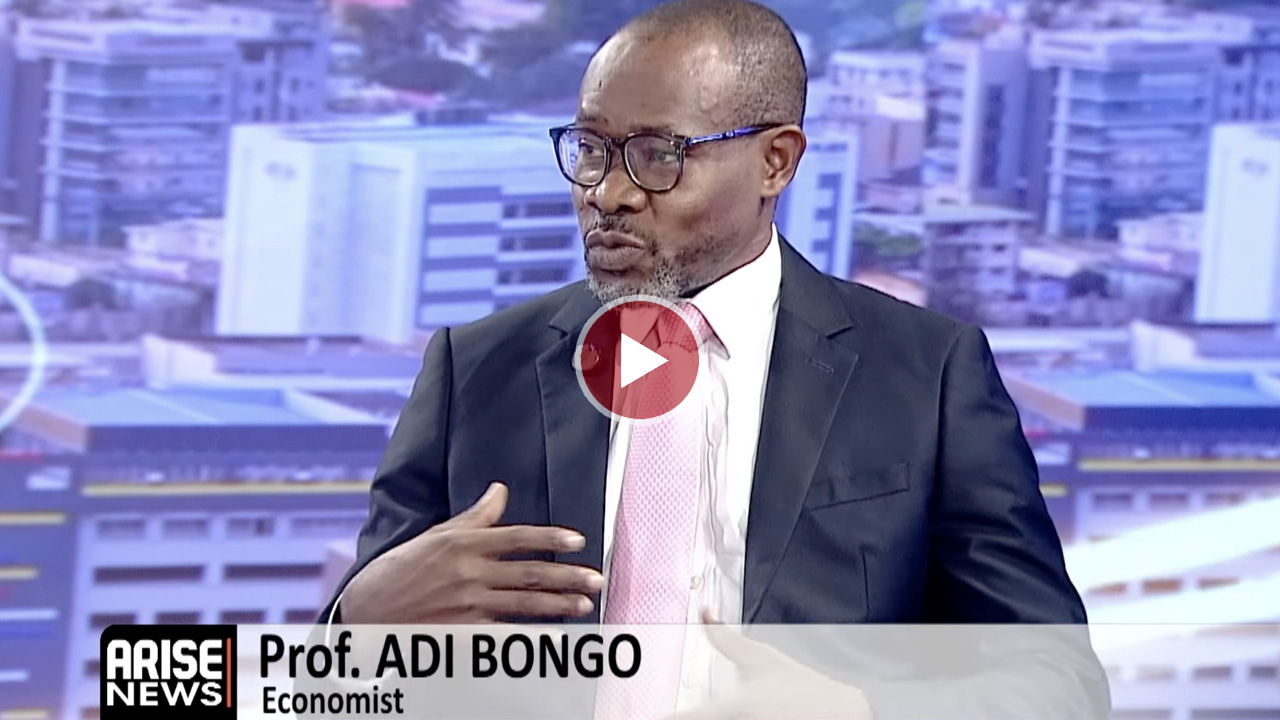
He criticized the government for its selective application of policies and an excessive focus on current expenses. “We see a government that remains excessively large, primarily because a substantial portion of the national budget still goes towards current expenditures. Presently, we are dealing with a budget deficit. In 2024 and 2025, fiscal deficits were decreasing significantly, but now they are on the rise again. This issue is prompting the government to frantically seek funds from various sources,” he articulated.
Bongo also pointed out the complexities associated with public-private partnerships (PPPs) and the privatization of government assets. “For example, how do we accurately assess the values of these assets to ensure that they are sold at appropriate prices? Even if buyers offer the right amounts for these assets, who will oversee their usage? We've witnessed this situation before,” he stated.
He emphasized the pressing issues in revenue collection mechanisms that are not matched with corresponding reforms in expenditure practices. “We are innovating how we collect funds; however, we fail to reform how these funds are utilized. This is a substantial issue,” he remarked.
Professor Bongo criticized prior asset sales by the government, which he believes often favored insiders instead of the public good. “Historically, I prefer not to call it a government sell-off; rather, the disposal of assets by the government has typically benefited select individuals. We witnessed what transpired in the power sector, where assets sold to cronies lacked the necessary capabilities. Many of the banks that financed these transactions ended up reclaiming most of the power sector's assets. Therefore, I view this situation as a farce—it's quite disheartening,” he said.
Additionally, he expressed skepticism concerning the accuracy of fiscal data, cautioning against dependence solely on government statistics. “The current fiscal plan is dubious at best—a budget that struggles to garner tangible results while the government seems to operate like a casino, heavily focused on quick financial returns with grand proclamations. We boast $50 billion in reserves, yet we cannot even support our budget,” he emphasized.
When discussing institutional reforms, Bongo highlighted that establishing offices does not suffice without enhancing their capacity and independence. “Therein lies my concern: the insufficiency of our institutions' capability. We create entities, but they often end up serving selfish interests rather than public needs. This has occurred repeatedly; the police were deemed ineffective, leading to the establishment of the EFCC and ICPC. However, these agencies were merely new roles for problems previously handled by the police, which have since devolved into systems of selective justice that exacerbate the situation,” he lamented.
In conclusion, Bongo asserted the necessity for Nigeria to prioritize institutional fortification to achieve genuine fiscal reforms. “While pursuing reforms in various sectors, without a mechanism for citizen engagement to hold the government accountable or to critically appraise the data at hand, we are unlikely to make any meaningful progress. My primary concern is not merely the duplication of roles, but understanding how we can empower our institutions to act in the best interests of the citizens,” he concluded.
Comments (0)
You must be logged in to comment.
Be the first to comment on this article!