
The Africa Women Cancer’s Awareness Association (AWCAA) has expressed grave concern regarding the dangers associated with late diagnosis of breast cancer in Nigeria.
The organization pointed to a lack of awareness and insufficient early screening practices among Nigerians, contributing to rising fatalities linked to the disease.
During a Breast Cancer NGO Summit held in Abuja on Thursday, the Founder of AWCAA, Mrs. Ify Nwabukwu, emphasized the critical importance of prioritizing early detection through testing to combat the cancer epidemic.
She highlighted that delays in diagnosing the disease often lead to severe consequences, making treatment far more challenging.
According to Nwabukwu, statistics indicate that a significant number of cancer cases in Nigeria are identified at very late stages. She stated, "For Africans and Nigerians, 60 to nearly 80 percent present at hospitals when their cancer is already in its advanced stages. These stages include three, four, and even five, indicating that the disease may have metastasized to other body parts. We want to prevent this from occurring."
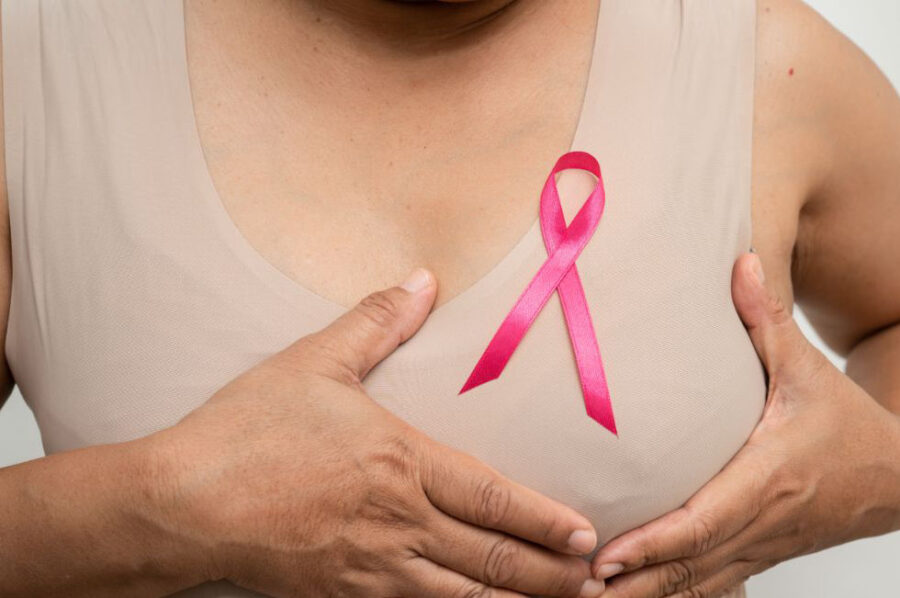
Nwabukwu noted that her organization, which originated in the United States, has now extended its operations to Nigeria, collaborating with various stakeholders to promote effective breast cancer response strategies.
She elaborated, "My focus is on breast cancer. We have a board of directors including an oncologist from the National Hospital. Our priority is to assess where we stand regarding breast cancer in Nigeria. We have local ambassadors conducting community outreach in churches and other venues to educate women."
Continuing, she stated, "We want people to understand their bodies and recognize what is normal for them. It’s essential to know how your breasts feel and look, and to be aware of any changes such as color alterations, shape anomalies, or other signs indicating a problem."
Nwabukwu, a cancer survivor herself, shared that her motivation to embark on cancer awareness work stemmed from her experience with the disease as well as witnessing her mother’s struggle with it until her passing.
"Our aim is to establish a space where Africans can receive support, education, and assistance in navigating the complexities of cancer treatment," she remarked.
Another cancer survivor, Denise Igoh, urged the government to focus advocacy efforts against cancer on educating younger demographics right from their school years.
Prof. Abidemi Omonisi, President of the Cancer Society of Nigeria, stressed the importance of amplifying the voices of cancer survivors to dispel the notion that cancer equates to a death sentence. He also praised recent collaborative efforts from key players, including the federal government and the World Health Organization (WHO), to secure funding for cancer prevention and treatment initiatives in the country.
He commended the federal government for launching a national action plan targeting cancer for the first time, aimed at establishing necessary infrastructure and trained personnel for effective cancer screening and diagnosis.
Dr. Uche Nwaokwu, a representative from the Federal Ministry of Health and Social Welfare and Coordinator of the National Cancer Control Initiative, encouraged cancer survivors, often referred to as Champions of Cancer for Life, to see themselves as ambassadors in the nationwide anti-cancer campaign.
At the event, a cancer survivor, who is also a retired federal civil servant, recounted the extensive financial and psychological challenges faced during her treatment journey.
Onyebuchi Ezigbo
Comments (0)
You must be logged in to comment.
Be the first to comment on this article!