
The government of Benue State has announced an increase in suspected Lassa fever infections, with health officials indicating that they are actively working to manage the outbreak.
According to the Commissioner for Health and Human Services, Paul Ogwuche, the number of suspected cases has surged to 383, of which 47 have been confirmed as positive.
Ogwuche also revealed that the total fatalities attributed to the disease have reached 14 since the start of the outbreak; however, no new deaths have been reported in the last 11 days. He stated, "In the past 11 days, there have been no recorded fatalities. The cumulative suspected cases have risen from 251 to 383, with 47 confirmed to date."
Additionally, he mentioned that laboratory analyses in the last 11 days have confirmed only six new cases, demonstrating a potential slowing in the disease's transmission. Currently, there are 20 individuals undergoing treatment in isolation facilities, with 14 at the Benue State University Teaching Hospital and six at the Federal Medical Centre Makurdi.
Earlier in February, the State Epidemiologist, Msuega Asema, reported 251 suspected cases, 45 confirmed infections, and 10 deaths, indicating an overall increase but showing improvement in outbreak management in recent weeks.
Ogwuche attributed the reduction in deaths and the deceleration of spread to enhanced public health strategies and collaboration with crucial partners, including the World Health Organization, the Nigeria Centre for Disease Control, and Médecins Sans Frontières.
He remarked, "The decline has been significant because we are actively searching for suspected cases... We have been holding regular discussions with WHO, NCDC, and the Emergency Operations Centre."
He emphasized that continuous surveillance is being conducted across all 23 local government areas, and health personnel have been trained in infection prevention and control, which is aiding in limiting further spread. He noted, "The strategies we have implemented, which include community awareness and health education, have contributed to these positive changes. People are now aware of the necessary precautions to take."
The commissioner underscored the importance of early detection and intervention in improving health outcomes, stating, "The sooner a patient seeks help, the better the prognosis. The low mortality rate suggests that individuals are being identified in their communities and receiving early treatment."
Ogwuche also highlighted that the state government has allocated resources to bolster response initiatives and confirmed that no outbreaks have been detected in internally displaced persons (IDP) camps. "Everyone is actively working to manage the situation... We will soon distribute educational materials to the 15 IDP camps across the state," he stated.
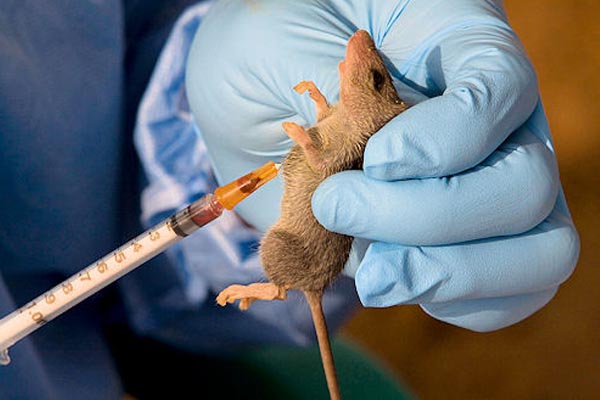
Lassa fever is recognized as a severe viral illness endemic to West Africa and is primarily transmitted through contact with food or household objects contaminated by infected rodents.
Comments (0)
You must be logged in to comment.
Be the first to comment on this article!