The Council of Retired Federal Permanent Secretaries (CORFEPS) represents a multidisciplinary association of former public servants whose collective experience, institutional memory, and professional knowledge are vital to driving meaningful reform in Nigeria's civil service system. As a body that bridges the gap between past administrative practices and present governance challenges, CORFEPS holds a critical position in shaping the direction of public administration in the country. Under the leadership of Mahmud Yayale Ahmed, the council has been actively pushing for the restoration of professional honor, administrative efficiency, and the vocational ethos that once defined the civil service. This effort culminated in the launch of the CORFEPS Journal on Public Policy and Governance, an initiative designed to create a sustained platform for dialogue among retired and serving public servants on the future trajectory of bureaucratic governance.
The journal emerges from a broader institutional reform context, one that recognizes the civil service as a value-based institution built on merit, public spiritedness, and professionalism. By bringing together retired permanent secretaries and critical observers of the system, the inaugural edition aims to ventilate diagnostic, recuperative, and reformative insights into Nigeria's administrative challenges. The editorial board assembled a rich array of contributors, many of whom are retired permanent secretaries who bring firsthand experience of navigating the civil service across various ministries, departments, and agencies.
The inaugural edition is organized into eight thematic segments. Part one, titled "The Nigerian Civil Service," contains four essays examining the status of the public administrator within the civil service framework, the relationship between the civil service and nation-building, the role of ministerial departments and agencies in state capacity, and the connection between administrative leadership and performance management systems. The second segment, with seven essays, covers public financial management and development financing, executive intervention in institutional autonomy, decentralization and local governance, capacity development for service delivery, and corporate governance in the public sector. The third and fourth segments focus on leadership and sustainable development, while part five addresses health and lifestyle, including chapters on breast cancer and prostate health. Parts six through eight include book reviews, tributes to distinguished former public servants, and reflections on CORFEPS activities itself.
Several contributors have put forward reform proposals of particular significance. One author argues for a "Nigeria Local Governance Reform Framework (2026-2035)" to reposition local governments as key drivers of grassroots development, emphasizing that constitutional autonomy alone would be insufficient. Another contributor calls for training programs to be reframed as genuine capacity-building instruments anchored on competency-based needs assessment, transparent procurement, post-training accountability, and the professionalization of training institutions. The inclusion of health and lifestyle topics also reflects a growing recognition that work-life balance is a critical component of human capital development and institutional performance.
The editorial board has also outlined recommendations for future editions. The journal should be styled as a publication for public administration professionals rather than a purely academic outlet, with each edition thematically focused on specific subjects such as governance challenges, democratic consolidation, financial management, or civil service mentoring. Contributions could come from seasoned experts, public servants, and syndicated columnists, while special editions could be proposed by guest editors on specialized themes. Departments of public administration and ministerial agencies could serve as case studies for ongoing reflection on the civil service system, and features such as interviews and autobiographical notes should be incorporated to capture progress and reform efforts.
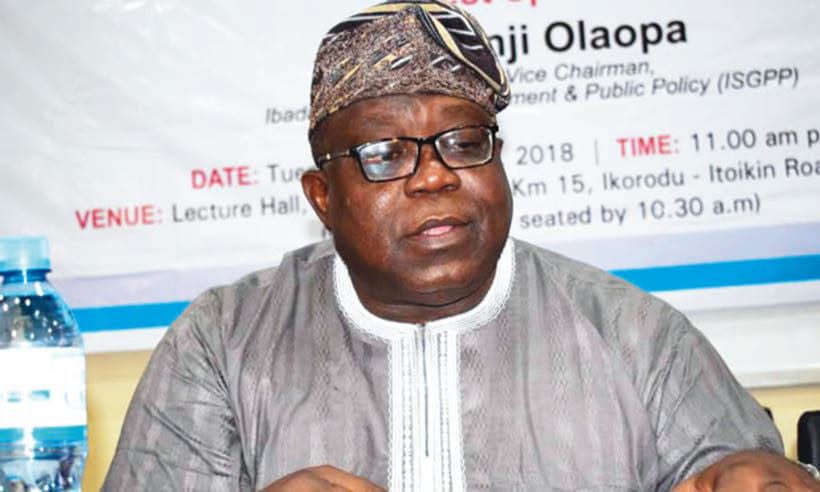
The initiative owes its existence to the dedication of Alhaji M. Yayale Ahmed, the National Chairman of CORFEPS, and Ambassador Dr Godknows Igali, who chairs the editorial board. Every member of the board contributed to bringing this inaugural edition to life. As Olaopa, a retired Federal Permanent Secretary and the Chairman of the Federal Civil Service Commission in Abuja, noted, "We have commenced a journey into a legacy of reform activities."