
A number of NATO nations are sending small contingents of military personnel to Greenland to join joint exercises with Danish forces, following US President Donald Trump’s increasing threats to forcibly annex the Arctic territory.
Trump's statements have alarmed the long-established, US-led security alliance of NATO members, introducing the unprecedented concern that the most influential member of NATO might attempt to seize land from another country within the alliance. Denmark, which oversees the defense of Greenland, has cautioned that any aggression towards the island could signify the collapse of NATO and has reiterated its dedication to enhancing its military presence in close partnership with allied nations.
This week, Germany, Sweden, France, and Norway have confirmed the deployment of military personnel to Greenland for cooperative exercises with Denmark. Additionally, Canada and France are set to establish consulates in Nuuk, the capital of Greenland, in the near future, which further signifies diplomatic backing for Denmark and Greenland.
While the deployment of troops from NATO countries for training in allied nations is a standard practice, and Arctic drills have been promoted for several years, the timing and implications of these recent troop movements are notably significant.
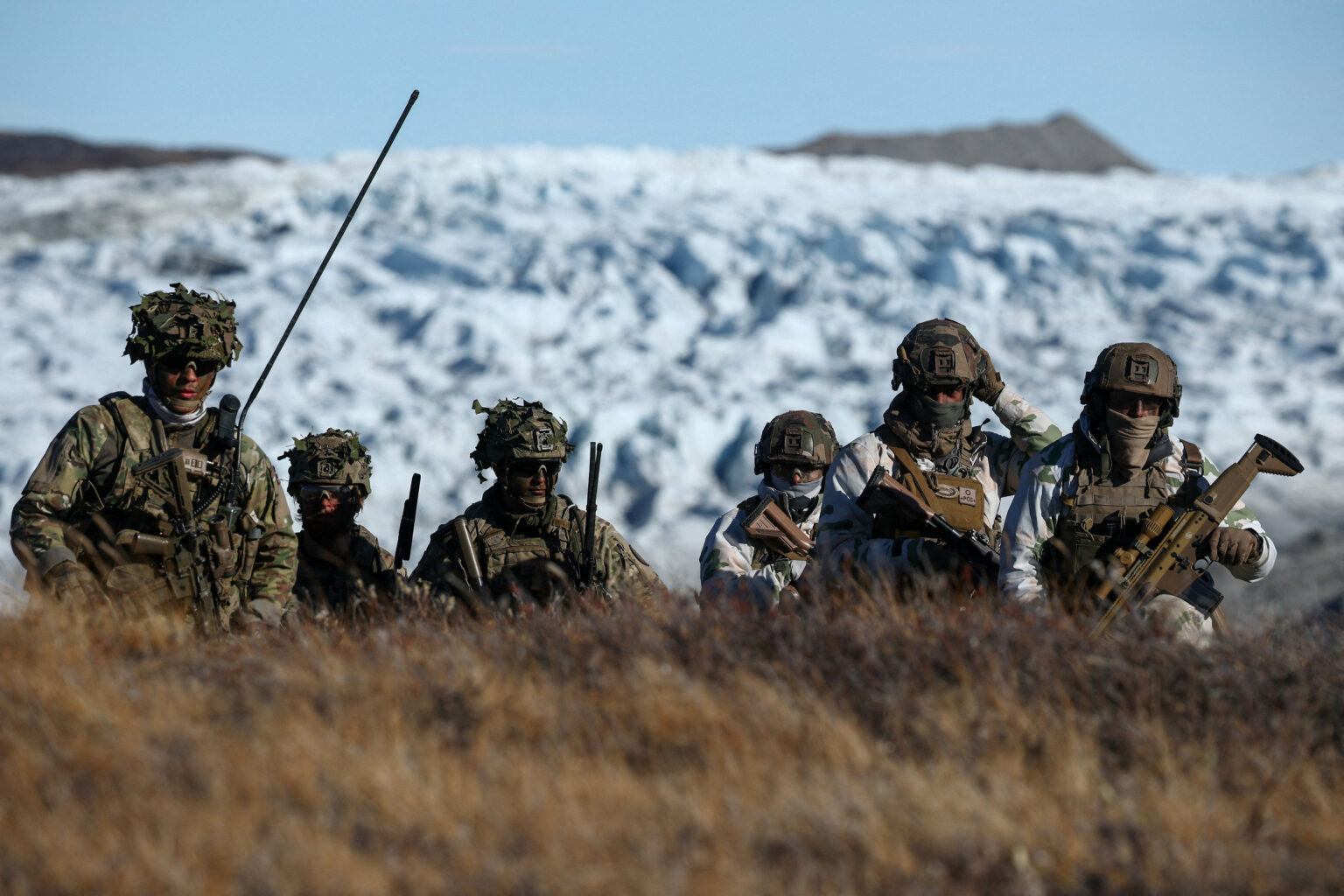
These deployments occur against a backdrop of extraordinary tension within NATO, spurred by Trump's increasingly explicit remarks regarding Greenland. The United States maintains approximately 150 soldiers stationed at its Pituffik Space Base located in northwestern Greenland.
Trump has consistently expressed his desire to take ownership of the world’s largest island, suggesting that he might do so by force if necessary, asserting during a recent press briefing that he would take action regarding Greenland, “whether they like it or not.”
Germany's Defense Ministry has announced it will send a small reconnaissance team to Greenland for joint exploratory efforts alongside partner nations, following Denmark’s request. Sweden has confirmed its participation as well, noting that its troops will assist in preparation for a comprehensive drill known as Operation Arctic Endurance.
France has also declared its involvement in this operation, with President Emmanuel Macron stating that the initial French troops are already en route, with additional forces set to follow. Norway has indicated it too will send defense personnel to Greenland.
NATO’s foundation rests on the principle that an attack against one member constitutes an attack against all, which amplifies the gravity of US threats directed at Greenland. The territory is linked to NATO through Denmark. The Danish defense minister has characterized the notion of a US assault as merely theoretical and highly improbable for one NATO member to harm another.
The announcement of European troop deployments coincided with meetings held by Danish and Greenlandic officials with US Secretary of State Marco Rubio and Vice President JD Vance, shortly after Trump made online comments declaring that US control of Greenland is paramount. He argued that NATO would be more robust and efficient if Greenland fell under American governance.
The recent discussions yielded few definitive results. Danish officials described the meetings as straightforward yet constructive, recognizing that significant disagreements persist. Nonetheless, all parties have agreed to form a high-level working group to explore a possible way forward, with the first meeting anticipated in the weeks to come.
Canada has reiterated its strong backing for the sovereignty and territorial rights of Denmark and Greenland, with its foreign minister announcing plans to visit Greenland to inaugurate a Canadian consulate in Nuuk and to reinforce Canada's commitment to Arctic security. France has affirmed its intention to open a consulate in Greenland in early February, a move that was planned prior to the unfolding crisis.
French representatives have urged the United States to cease its threats toward Greenland, warning that any attack on a NATO ally would contradict American interests and weaken the alliance itself.
Comments (0)
You must be logged in to comment.
Be the first to comment on this article!