The Federal Government has traced ongoing electricity blackouts impacting Lagos, the Federal Capital Territory (FCT), and other regions to scheduled maintenance at the Egbin Power Station, gas supply shortages, and deliberate vandalism of critical transmission infrastructure.
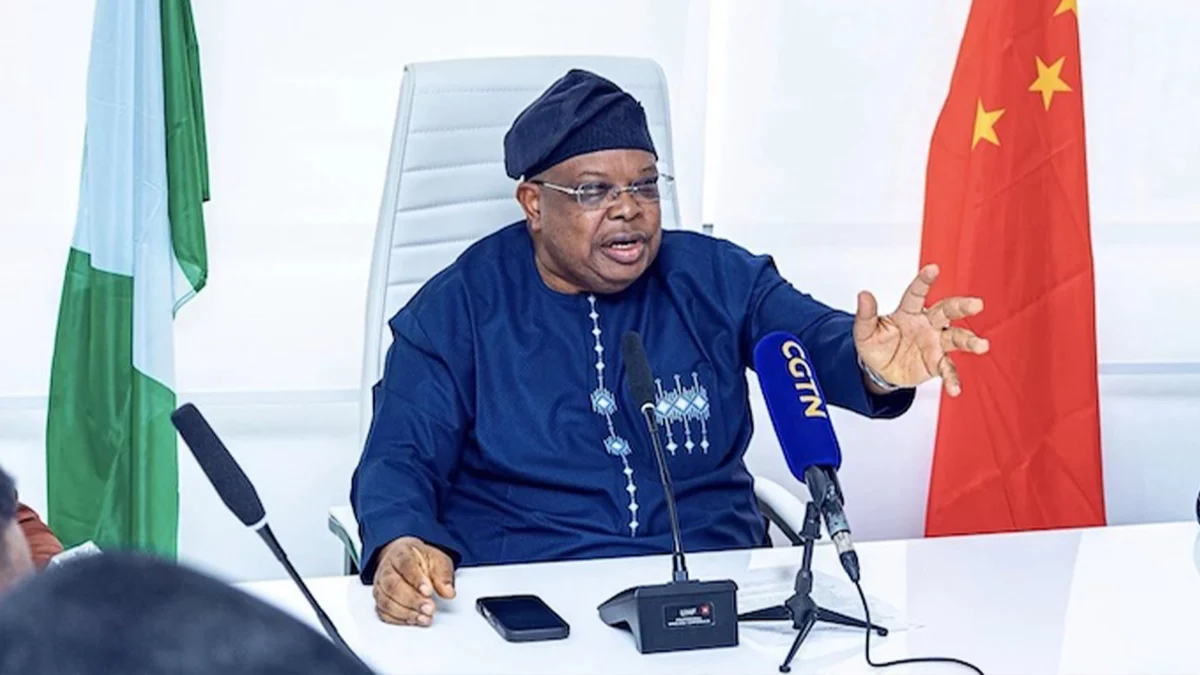
Power Minister Joseph Tegbe disclosed in an official statement released on Friday that these compounding challenges diminished overall generation capacity on the national grid, compelling operators to implement load shedding. According to the minister, the initial batch of impacted generating units is slated to reconnect to the grid within 48 to 72 hours, while remaining units will resume operations gradually in subsequent phases.
What are the primary causes of the grid deficit?
Minister Tegbe explained that scheduled maintenance activities at the Egbin facility, combined with ongoing fuel constraints affecting several thermal plants, significantly lowered total power availability nationwide. Furthermore, malicious damage to high-voltage transmission assets crippled the capacity of system operators to divert electricity through alternate pathways, particularly affecting consumers in Lagos and surrounding corridors.
How is the government responding to the crisis?
The Transmission Company of Nigeria (TCN) and the Ministry of Power are currently collaborating with industry stakeholders to boost fuel deliveries to power plants and accelerate restoration works on compromised grid infrastructure. While expressing regret to impacted households and commercial enterprises, the ministry pledged to issue regular progress updates as grid stability is restored.
This development follows an earlier directive issued on November 4, wherein the minister mandated TCN, the Nigerian Independent System Operator (NISO), and various electricity distribution companies to resolve operational bottlenecks responsible for declining output. Prior to this, NISO had cited low gas volumes at thermal stations and depleted water levels at hydroelectric dams as key factors behind the generation deficit, a situation that also sparked technical disagreements between TCN and Ikeja Electric over grid management.