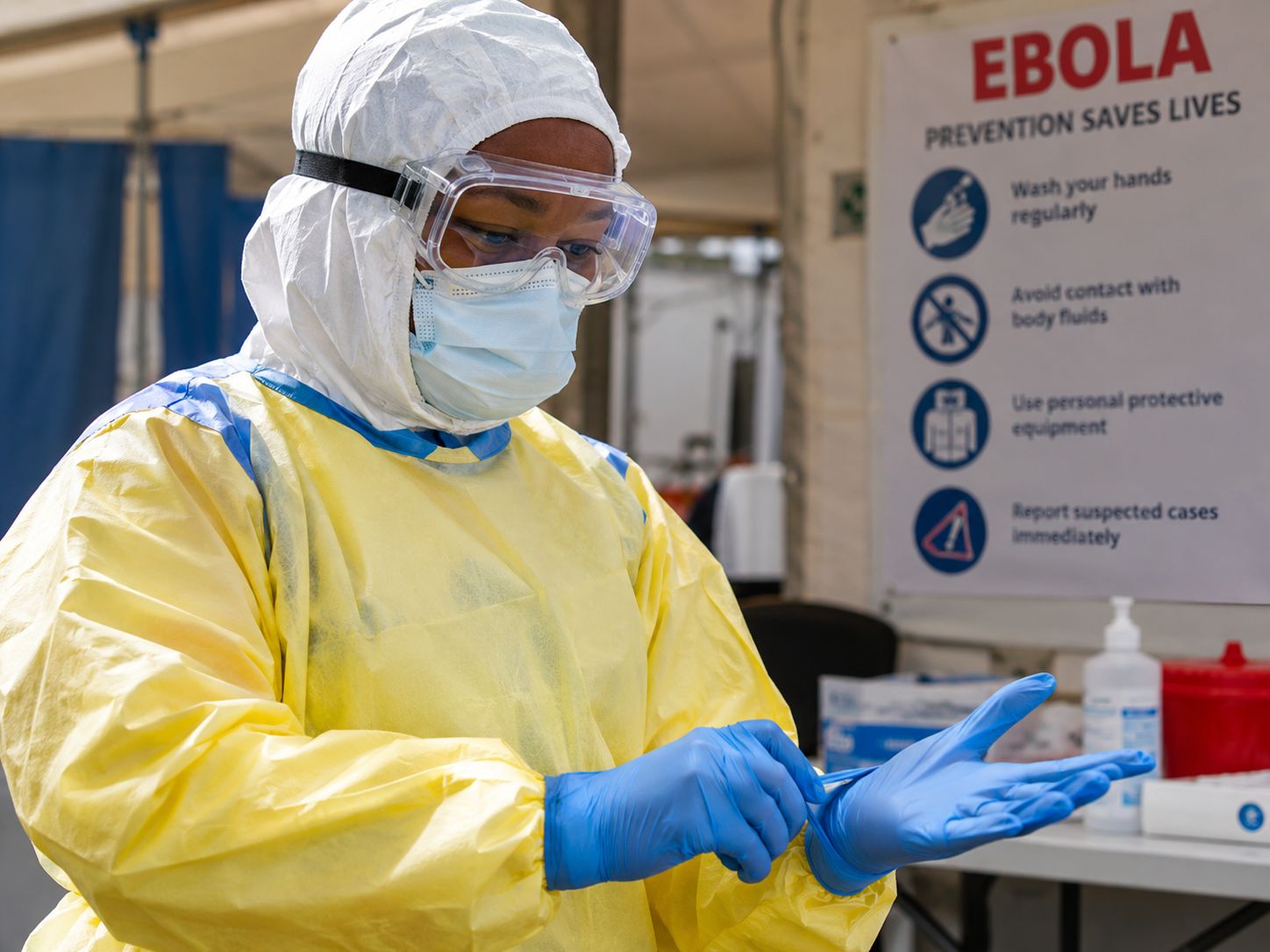
On 20 October 2026, the [Nigeria Centre for Disease Control (NCDC)](https://ncdc.gov.ng) confirmed the nation’s first case of Ebola virus disease in the Federal Capital Territory, Abuja, prompting authorities to intensify surveillance and urging citizens to adopt protective measures.
Key details:
- The confirmed patient resides in Abuja, marking the first Ebola occurrence in the country since the 2014 Lagos case.
- Ebola virus disease carries a fatality rate ranging from 25% to 90% according to the [Ebola virus disease](https://en.wikipedia.org/wiki/Ebola_virus_disease) fact sheet.
- The West African outbreak of 2014‑2016 recorded 11,296 cases across Guinea, Liberia, Sierra Leone, Senegal and Nigeria.
- The federal government has activated hotlines, including the toll‑free 6232, for immediate reporting of suspected cases.
- Health officials stress that deaths typically occur 8‑9 days after symptom onset in severe cases.
**What is Ebola virus disease?**
Ebola virus disease, also called Ebola hemorrhagic fever, is a severe illness caused by an RNA virus of the Filoviridae family. The virus spreads through direct contact with the blood, bodily fluids, or tissues of infected humans or animals. Fruit bats are believed to be natural reservoirs, capable of carrying the virus without showing symptoms.
**How can Nigerians protect themselves?**
The [Federal Ministry of Health and Social Affairs](https://health.gov.ng) recommends the following precautions:
- Wash hands frequently with soap and running water, or use hand sanitizer when water is unavailable.
- Avoid close contact with anyone showing unexplained fever or other symptoms of infection.
- Limit exposure to wildlife such as fruit bats or primates; handle animals with gloves and cook meat thoroughly.
- Refrain from touching the blood, saliva, vomit, urine or other fluids of suspected or confirmed cases.
- If you or someone you know has recently traveled to an Ebola‑affected country and develops symptoms, call 6232 or your State Ministry of Health hotline immediately.
**What should healthcare workers do?**
- Maintain a high index of suspicion for Ebola in patients presenting with compatible symptoms.
- Isolate suspected cases promptly and enforce strict infection‑prevention and control (IPC) protocols.
- Wear appropriate personal protective equipment (PPE) including masks, gloves, gowns and ensure safe disposal of sharps.
- Report any suspected case without delay to the NCDC or the relevant State Ministry of Health.
**What advice is given to travellers?**
- Remain in place and avoid using shared transport until health officials provide guidance.
- Await assessment by trained responders and, if necessary, be transferred to a designated treatment centre.
**What are the early signs of Ebola?**
Initial symptoms often include sudden fever, intense weakness, muscle aches, headache and sore throat. As the disease advances, vomiting, diarrhoea and jaundice may appear. Severe cases can lead to uncontrolled bleeding, organ failure and shock, frequently resulting in death within a week to ten days of onset.
For further information or to report a suspected case, contact the NCDC toll‑free line at 6232. Stay vigilant and follow official guidance to keep yourself and your community safe.