
The military junta in Guinea-Bissau has announced that it will no longer pursue the arrest of a major opposition figure who had gone into hiding, as reported by an official from the opposition on January 31. This news comes alongside the development of another prominent opposition politician being placed under house arrest.
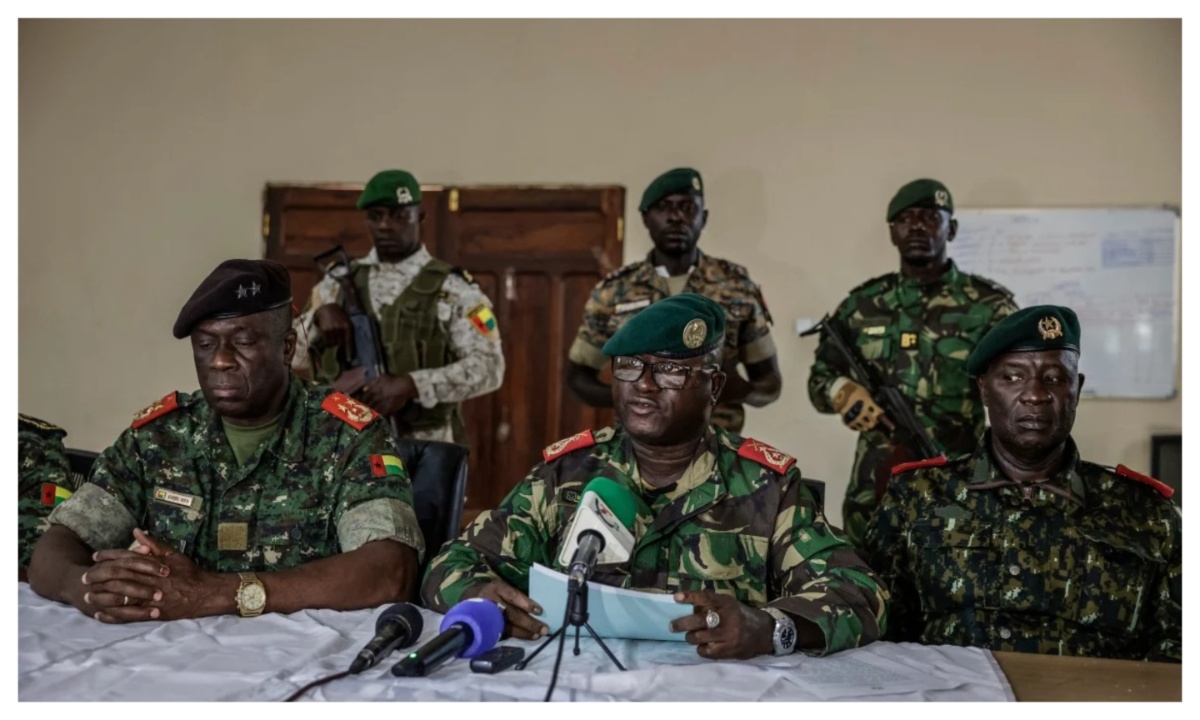
Following the coup that ousted President Umaro Sissoco Embalo on November 26—just days post-election and before results were declared—the junta detained various senior political figures. After taking control, the military halted the electoral process, prompting Embalo to flee the nation.
Fernando Dias, Embalo’s principal opponent who asserted that he had won the election, managed to evade arrest by seeking refuge in the Nigerian embassy.
On Saturday, Dias's communications representative declared that most restrictions on him have been removed. "Dias is not under house arrest," stated communications manager Gabriel Ye to AFP. "The only limitations enforced by the military on him are a ban on public comments and political engagement," he continued.
Ye also confirmed that Geraldo Martins, the former prime minister under Embalo, has been released from detention.
Conversely, Domingos Simoes Pereira, another opposition leader recently freed after months of incarceration, has now been placed under house arrest. Pereira, a longstanding critic of the previous president, was released from prison in Bissau but was escorted home to a warm welcome from supporters gathered outside.
According to army commander Jorgito Biague, all individuals detained in connection with the coup have been released, with Pereira being the exception as he remains under house arrest due to alleged economic crimes. Biague clarified that this matter is now in the hands of the judiciary rather than the military.
Pereira leads the PAIGC party, which played a pivotal role in Guinea-Bissau's independence from Portugal in 1974. He was disqualified from participating in the latest presidential election due to a late application submission and subsequently supported Dias.
Guinea-Bissau has experienced five coups along with several attempted military seizures since attaining independence.
On Saturday, the Economic Community of West African States (ECOWAS) applauded what it termed as “recent actions taken by the transitional authorities” in Guinea-Bissau, noting these efforts are intended to “promote an inclusive political atmosphere and facilitate the country's return to constitutional governance.”
The regional organization demanded the “complete release” of Pereira and called for “guarantees of fundamental rights and freedoms for all citizens,” while also urging “all stakeholders” to collaborate toward “a peaceful and credible transition leading to democratic elections.”
Comments (0)
You must be logged in to comment.
Be the first to comment on this article!