
In 2012, tuning in to music channels like Trace Urban, HipTV, or MTVBase meant immersing oneself in music videos featuring Afrobeat artists. These videos often depicted scantily clad women dancing around the performers, enhanced by a festive atmosphere filled with money and drinks. The themes of the songs varied from love to wealth.
However, not all music videos produced during the early 2010s adhered to this formula. Notable exceptions like Wizkid’s "Ojuelegba", Olamide’s "Melo Melo", and Tiwa Savage’s poignant "My Darling" resonated deeply with many Nigerians, clearly highlighting the audience's desire for substantive narratives in music visuals. Regrettably, the Nigerian music industry seemed oblivious to this preference.
By 2016 till 2018, viewers began to experience what could be termed 'video vixen fatigue'. Afrobeats was transitioning into the digital age, gaining international recognition via iconic collaborations such as Wizkid’s partnerships with Drake in "One Dance" and "Come Closer". Alongside this evolution, new artists like YCee, Maleek Berry, and Mr Eazi emerged, who while creating chart-topping hits, often repeated the trend of oversexualized representations of women dressed in revealing outfits within party-centric settings.
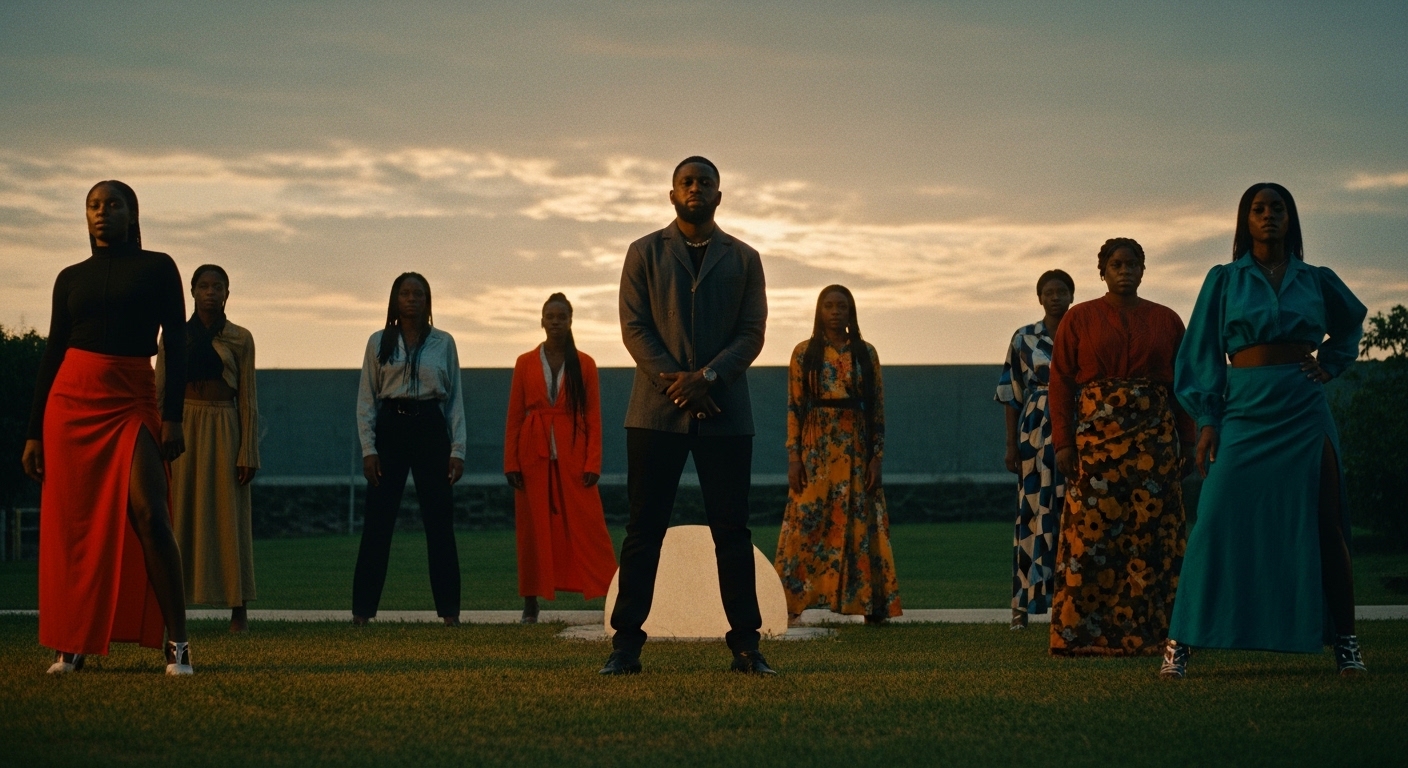
A significant shift transpired in 2019, with emerging directors like TG Omori, Meji Alabi, and Director K stepping into the limelight, replacing established names such as Clarence Peters and Unlimited LA. This change in leadership led to the creation of music videos that told more culturally relevant and emotional stories, reflecting the depth of Afro music.
Moreover, music videos began to incorporate more fashion and artistic elements. The creativity of Nigeria's fashion industry became intertwined with music, noticeable in how videos began featuring designs that celebrated local talent, in contrast to earlier styles which modestly showcased accessories like gold chains and sneakers. Notably, dramatic videos like Yemi Alade’s "Johnny" and Falz and Simi’s "Soldier" pushed the artistic envelope, while contemporary music videos serve as platforms for showcasing Nigerian designers, elevating style alongside musical content.
Additionally, the political commentary inherent in Afrobeats has intensified. Creative activism blossomed with visuals like Falz’s "This is Nigeria" and Burna Boy’s "Monsters You Made", which tackled social issues such as police violence and historical injustices. Today’s music videos exhibit complex cinematography, elevating these narratives into cinematic experiences, exemplified by Tems’ breathtaking "Me & U".
So is the era of the video vixen truly over? Not entirely. While certain videos still showcase vixens adhering to the old template, others have begun portraying women in more nuanced and respectful ways. Offerings such as Simi’s "Woman", Tiwa Savage’s "49-99", Burna Boy’s "Onyeka", and Ayra Starr’s "All The Love" reflect a refreshing shift from the formerly dominant male-centric visual aesthetics.
As time moves on, it’s evident that viewers are increasingly seeking passionate, story-driven visuals that captivate audiences rather than provoke discomfort, urging the industry to evolve in response to these changing tastes.
Comments (0)
You must be logged in to comment.
Be the first to comment on this article!