
Nigerian tycoon Aliko Dangote is experiencing a notable increase in fuel requests from several African countries as the conflict in Iran affects global supply chains and brings to light the continent's reliance on imports.
According to an executive from Dangote Petroleum Refinery and Petrochemicals, the company has been approached by South Africa and other African nations, as well as partners beyond the continent. South Africa is reportedly in talks to establish a standard supply agreement for a year with Nigeria.
The ramifications of the US-Israel war involving Iran are echoing throughout global energy markets, leading to shortages that stretch from Asia to Africa and revealing the weaknesses in existing fuel supply frameworks.
The consequences are felt most acutely in East and Southern Africa, with statistics from energy consulting firm CITAC indicating that nearly 75% of refined fuel imports for these regions originate from the Middle East.
South Africa has recognized the situation, actively engaging with industry stakeholders to ensure procurement of both crude oil and refined petroleum from a variety of sources. The government has also confirmed that a detailed plan has been developed to navigate potential supply risks.
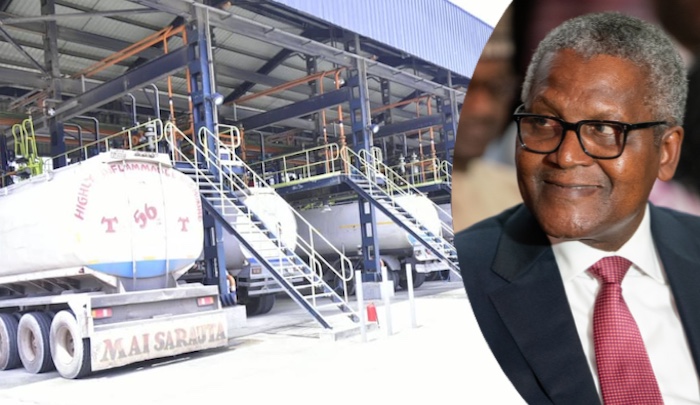
Dangote's refinery, which has a capacity of 650,000 barrels per day, dedicates approximately 75% of its production to meet the local demand, reserving the remainder for export. Other nations, including Ghana and Kenya, have also reached out to the company for fuel supplies.
"At this moment, it’s more about availability than pricing," Dangote noted in an interview. "I believe the circumstances will persist for a period of time."
While South Africa asserts it has sufficient fuel supplies for the upcoming weeks, and Kenya claims a three-week stock is available, there remain significant concerns across the region.
In Ethiopia, government officials have mandated fuel stations to prioritize services for public transport and are encouraging residents to conserve energy. In Somalia, the capital has seen fuel prices nearly double.
Despite possessing around 8 million barrels of strategic crude reserves, South Africa lacks specific fuel stockpiles, prompting fears among legislators regarding the nation’s readiness for future fuel crises.
The largest economy in Africa has witnessed its refining capacity diminish due to various incidents and prolonged underinvestment, thereby increasing its dependence on imported fuel.
While industry stakeholders affirm that supply levels are stable for the time being, businesses are beginning to implement precautionary measures. The demand for coal has surged, with escalating prices as organizations look for alternative energy sources.
Exxaro Resources has raised alarms about increasing freight and insurance costs as well as potential disruptions in supply flow.
"Ensuring we have adequate fuel reserves for emergencies is crucial," stated CEO Ben Magara. "We are actively putting robust business continuity plans into action because unforeseen events can occur at any time."
Comments (0)
You must be logged in to comment.
Be the first to comment on this article!