
Gholamhossein Mohseni Ejei, the head of Iran's judiciary, has instructed judicial bodies to expedite their rulings, specifically mentioning the swift implementation of death sentences and the seizure of assets. This directive comes at a time when international rights advocates are observing a significant increase in executions within the country, especially in the context of ongoing geopolitical conflicts.
Since the commencement of hostilities on February 28, Iran has reportedly carried out the executions of seven individuals connected to recent protests. These included six people found guilty of membership in the banned opposition group, the People’s Mujahedin of Iran, and a dual Iranian-Swedish national accused of espionage for Israel.
Concerns are mounting among human rights organisations, which suggest that a considerably larger number of individuals might face capital punishment. These cases allegedly involve alleged involvement in protests or providing assistance to adversaries during the current conflict.
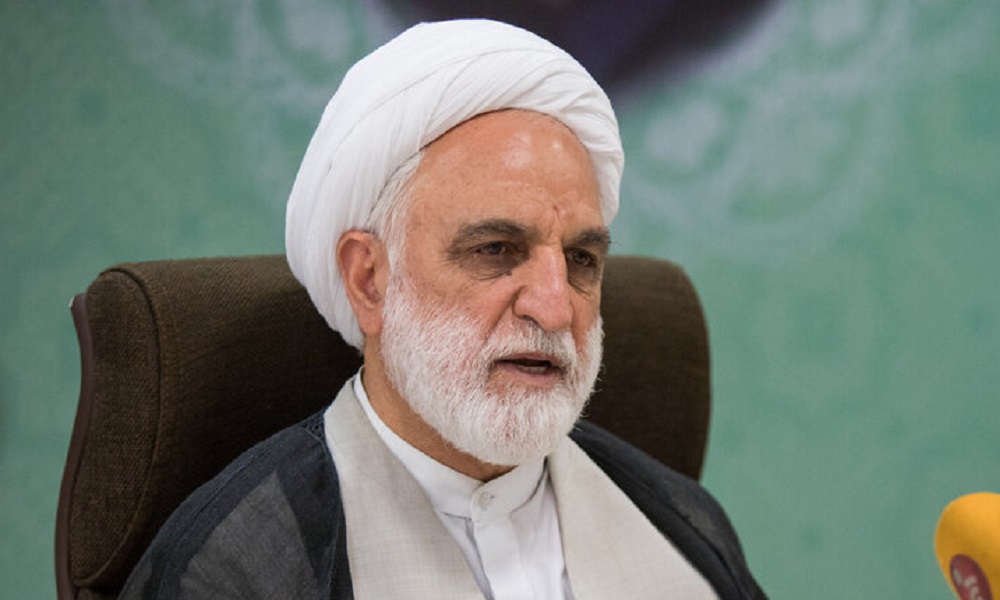
"You must expedite the issuance of judgments for executions and the confiscation of property," Ejei stated during a televised meeting with senior judiciary officials. He further emphasized that, in line with existing legislation on espionage, courts should increase their pace in delivering verdicts against those accused of cooperating with enemy forces.
Shirin Ebadi, an Iranian Nobel Peace Prize laureate residing outside the country, has voiced criticism of the judiciary's directives. She argued that instead of focusing on protecting citizens from external threats, the government is intensifying its actions, including executions, repression, and property seizures targeting individuals associated with the opposition.
According to human rights groups, two minors are among those who have been executed following the January protests, which were met with a violent crackdown resulting in numerous casualties. While Iranian authorities have identified those convicted as "terrorists" acting in coordination with Israel and the United States, activists contend that many faced inadequate legal proceedings.
The Abdorrahman Boroumand Center, a US-based organisation, commented that the execution of individuals during wartime, particularly through opaque and accelerated judicial processes, appears to be a strategy intended to foster fear and maintain governmental control over the population.
In parallel, Iran's police chief, Ahmad Reza Radan, announced that 85 individuals had been apprehended across 25 provinces. He alleged that these individuals were part of an organised network involved in transmitting sensitive location data to hostile entities.
Radan indicated that further details regarding their alleged collaboration would be made public. Human rights organisations have previously raised accusations that Iranian authorities employ torture to elicit forced confessions from detainees, with some of these confessions subsequently being aired on state media.
Comments (0)
You must be logged in to comment.
Be the first to comment on this article!