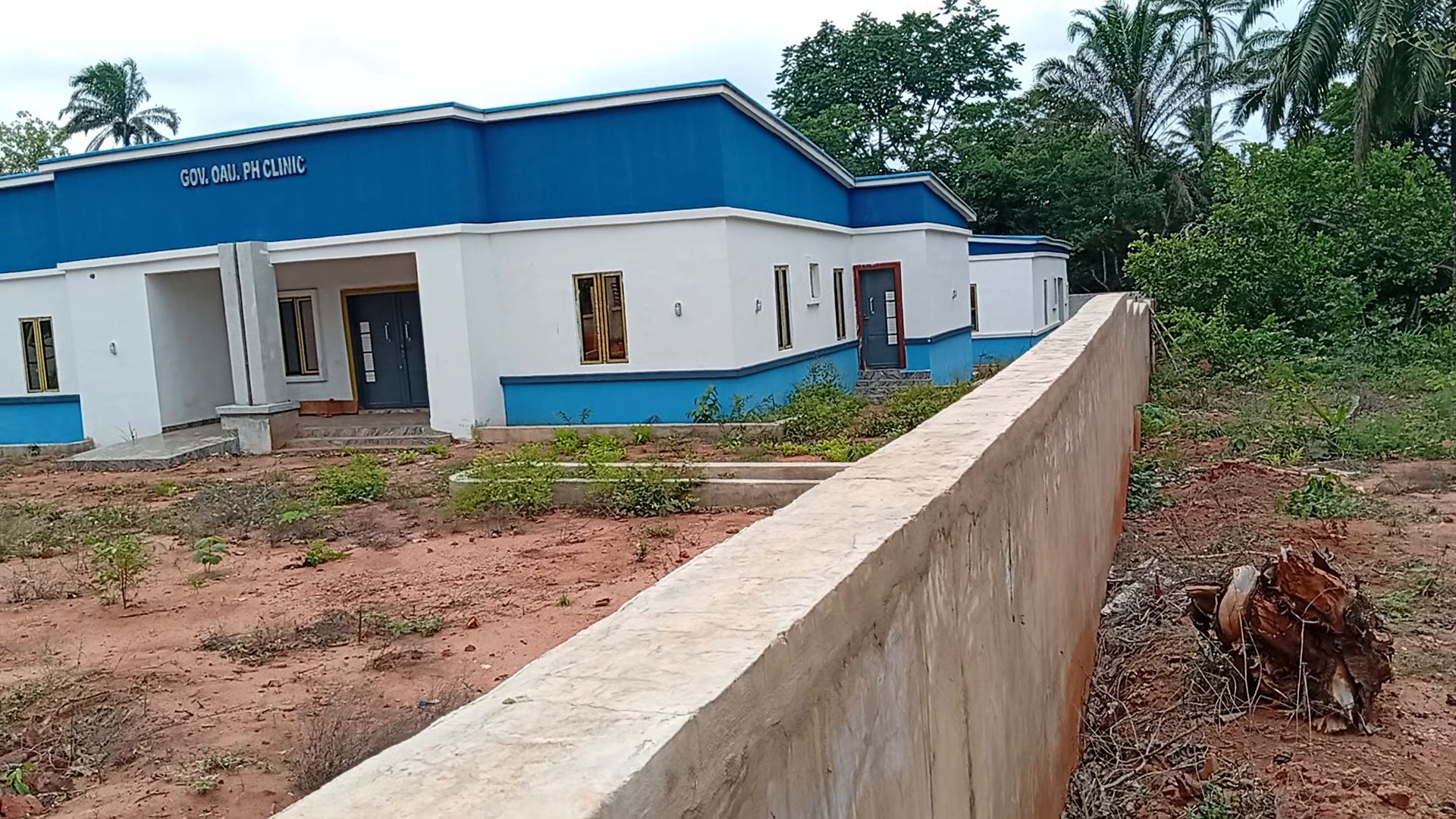
An investigative project across Kogi State has revealed that despite substantial financial investments, numerous primary health care centres designated for upgrades remain incomplete, locked, or severely constrained by infrastructural deficits and severe personnel shortages.
Following a series of site inspections conducted between December 2025 and September 2026, reporters discovered significant gaps between official declarations of infrastructural progress and conditions on the ground. Facilities such as the OAU Primary Health Centre in Ojoku, Ankpa Local Government Area, remained locked and devoid of medical personnel months after rehabilitation work supposedly commenced, while others operated without running water, electricity, or adequate medical apparatus.
What were the financial commitments behind the project?
In January 2025, the Kogi State Government announced an investment exceeding N7 billion, supported by the World Bank, aimed at transforming 88 Primary Health Care (PHC) facilities into functional Level 2 institutions across the state's 21 local government areas. Governor Ahmed Ododo's administration subsequently declared the commissioning of 80 revitalised health centres in November 2025, overseen by the Kogi State Primary Health Care Development Agency. Procurement disclosures later revealed four infrastructure contracts valued at approximately N6.091 billion, with N5.516 billion recorded as paid to four distinct construction firms.
However, document reviews highlighted inconsistencies between the stated geographical scope and procurement summaries. While the government maintained that all 21 local government areas were covered, procurement lot descriptions omitted Kogi Local Government Area. Furthermore, authorities failed to supply a comprehensive schedule of the 88 beneficiary facilities or specific completion certificates, limiting public accountability.
How did specific health centres fare during inspections?
At the Primary Health Care Centre in Ankpa (PHCC Ankpa), clinical services limped forward despite unfinished construction blocks piled with removed window frames, lacking both a reliable power supply and running water. The officer-in-charge, Momo Oneshona, noted that workers were forced to sterilize instruments over ordinary stoves due to electricity deficits, while active personnel numbers dwindled without replacements.
Similarly, in Ganaja within Ajaokuta Local Government Area, health workers and patients spent nearly eight years operating out of borrowed classrooms inside UBE Standard College after devastating floods submerged their original medical facility. Although a replacement structure was reported to be under construction, local staff noted the absence of maternity services and permanent housing.
What response did the state government provide?
Requests for detailed facility inventories, inspection reports, and completion documents submitted under Nigeria's Freedom of Information Act 2011 to the Kogi State Ministry of Health and related agencies yielded no substantive disclosures by the time of publication. State officials, including Commissioner for Information and Communications Kingsley Fanwo, did not provide the missing records, leaving vital questions surrounding the execution and delivery of the healthcare upgrade project unanswered.