
Lucky Ighoyota, a petroleum economist, has stated that surveillance contracts in the Nigerian pipeline industry have not become monopolised. He contends that these contracts have significantly bolstered oil security, increased production, and generated thousands of job opportunities.
In a recent interview with ARISE News, Ighoyota addressed criticisms regarding the dominance of a few players in the pipeline surveillance sector, arguing that these critiques overlook the existing decentralised structure involving various operators.
He clarified that a genuine monopoly would imply control by a singular entity, a scenario not representative of Nigeria’s current pipeline surveillance setup. ‘Monopoly, by definition, suggests a single operator, but our current arrangement is far from that,’ Ighoyota remarked.
This discussion arises amid calls from certain stakeholders in the Niger Delta advocating for further decentralisation of these contracts. Critics suggest that the limited number of operators has not effectively mitigated oil theft.
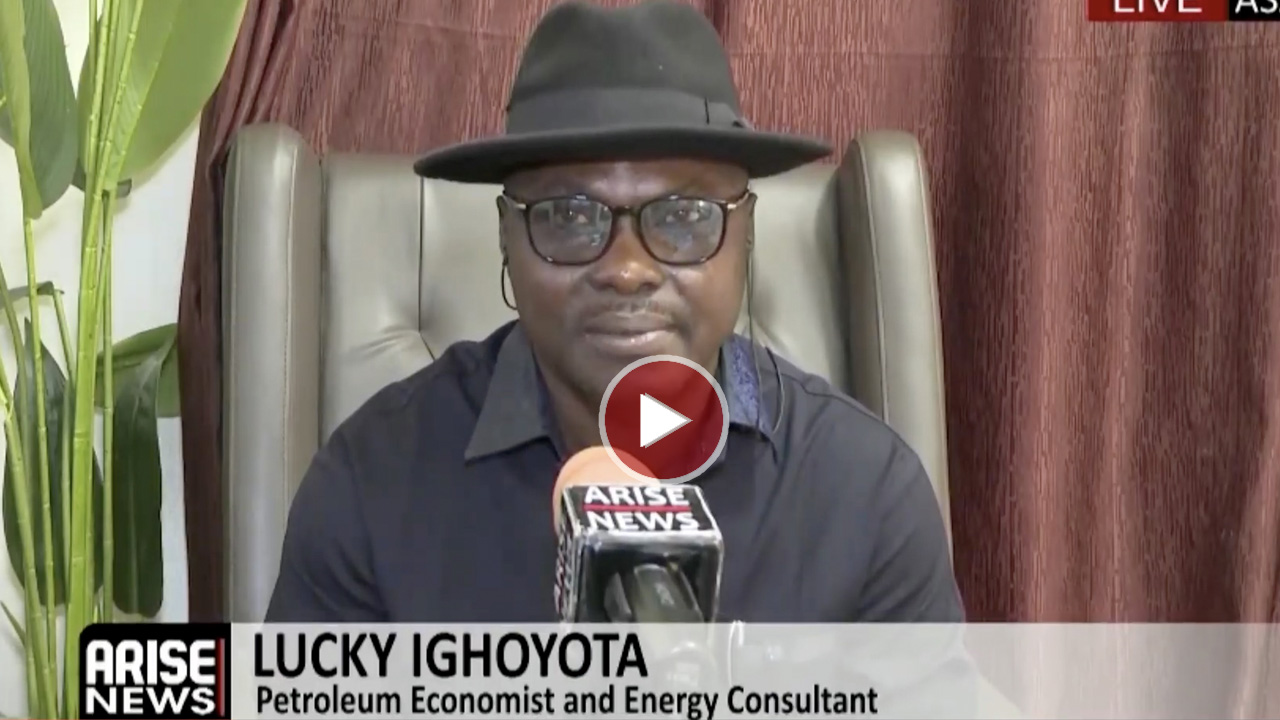
Ighoyota defended the established framework, indicating that the contracts were crafted to combat rampant oil theft, reduce environmental damage, and address pipeline vandalism.
He reiterated that these contracts are key to enhancing Nigeria’s energy security and aligning with national energy goals. ‘In discussing energy security, we must acknowledge the energy trilemma — ensuring a reliable supply, energy equity in accessibility and affordability, and prioritising environmental sustainability,’ he explained, adding that the contracts aim to increase production levels.
The energy consultant also highlighted the recent improvements in Nigeria’s oil output as indicative of the success of the surveillance initiative. Previously, production levels fluctuated between approximately 800,000 and 1.1 million barrels per day as a result of oil theft and pipeline sabotage. However, he noted that there is now a concerted effort to raise production to 1.4 to 1.5 million barrels per day, with expectations set even higher in the national budget.
Ighoyota pointed out that the sector’s recovery in 2025 reflects the effectiveness of the measures being put in place, asserting, ‘We witnessed a revival in the oil and gas industry last year. This clearly shows the progress being made.’ He expressed concern about groups inciting ethnic sentiments to demand pipeline surveillance contracts, cautioning that such actions could lead to instability in the region.
According to him, the focus should be on advancing competence and technology in the oil and gas sector rather than competing for surveillance contracts. ‘Nigeria is a country rich in oil yet lacks the capacity to manufacture drilling components or tools. The industry should emphasize technological advancement and developing local solutions for oil extraction,’ he advocated.
Moreover, he remarked that there is a broad spectrum of opportunities within the oil and gas field beyond just surveillance contracts. He asserted, ‘The oil sector encompasses a vast value chain that goes far beyond pipeline security, yet the attention seems to be solely on this narrow aspect.’
Responding to concerns regarding the abilities of current contractors, Ighoyota maintained that the firms engaged have demonstrated their proficiency. He emphasized that these contracts have not only generated employment but also played a role in reducing criminality in the Niger Delta.
‘These companies have proven their capability and effectiveness. They’ve employed tens of thousands of local individuals, contributing significantly to reducing militarization in communities affected by illegal oil activities,’ he stated.
He also credited the initiative with keeping many youths engaged in productive activities, helping to avert violent conflicts in several Niger Delta communities. ‘If it weren’t for this surveillance program, many of these communities would likely be experiencing violence,’ he added.
Furthermore, Ighoyota cited remarks from Chevron Nigeria's managing director, who noted the absence of infractions at its facilities for the first time. He said these outcomes further validate the effectiveness of the pipeline surveillance framework. ‘What more evidence do you need to substantiate that the scheme is indeed functioning?’ he questioned.
Concluding his remarks, Ighoyota urged stakeholders to concentrate on empowering Nigeria’s oil sector and harnessing the full potential of the industry’s value chain instead of undermining the current system.
Comments (0)
You must be logged in to comment.
Be the first to comment on this article!