
In Nigeria, banking was historically characterized by interest rates — the costs incurred by borrowers and the earnings of savers.
However, with the democratic transition that began in 1999, this traditional banking model began to face new challenges.
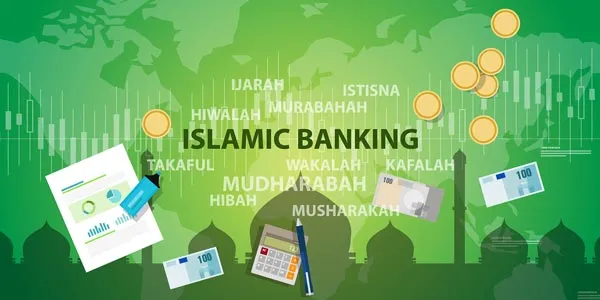
Certain banks have emerged, promoting profit without engaging in interest- based transactions.
What was once regarded as a radical and potentially harmful concept within the financial sector has gradually been accepted as a significant contributor to Nigeria’s economy.
Currently, from Abuja to Kano, and Lagos to Maiduguri, interest-free banks are facilitating the financing of enterprises, aiding farmers and traders, and investing in major infrastructural projects.
In this episode of Nigeria Daily, we discuss the ascension of non-interest banking during Nigeria's Fourth Republic, the difficulties faced in gaining acceptance, and the implications of this shift on Nigerian perspectives surrounding finance, risk, and opportunity.
Comments (0)
You must be logged in to comment.
Be the first to comment on this article!